Beware! 3 Rules in Buying Supplements

Beware! 3 Rules in Buying Supplements

Sometimes choosing a joint supplement can be so confusing. I mean you’re standing in the aisle looking at over-the-counter choices and thinking “where do I even begin”! These are the key things recommended to pet owners when choosing clinical-strength products.


Here are the Top 3 things to look for when buying supplements for your dog:


1. No Fillers – One of the key things to look for is that there are no fillers in your dog’s supplements. You don’t want to see corn, wheat, soy, any of those fillers that add flavor but not only don’t add value to the supplement, but they actually create allergic reactions in many pets that you don’t realize until it’s too late. It can actually negate the positive benefits on the joints.


2. Potency – Compare the different potencies. Typically integrative veterinarians will recommend a higher potency and cleaner product. So it’s best if you do know that there’s a veterinarian recommending the right product for your dog.


3. No contaminants – Choose products made in the USA because of the recent recalls in the last several years of products made in different countries.

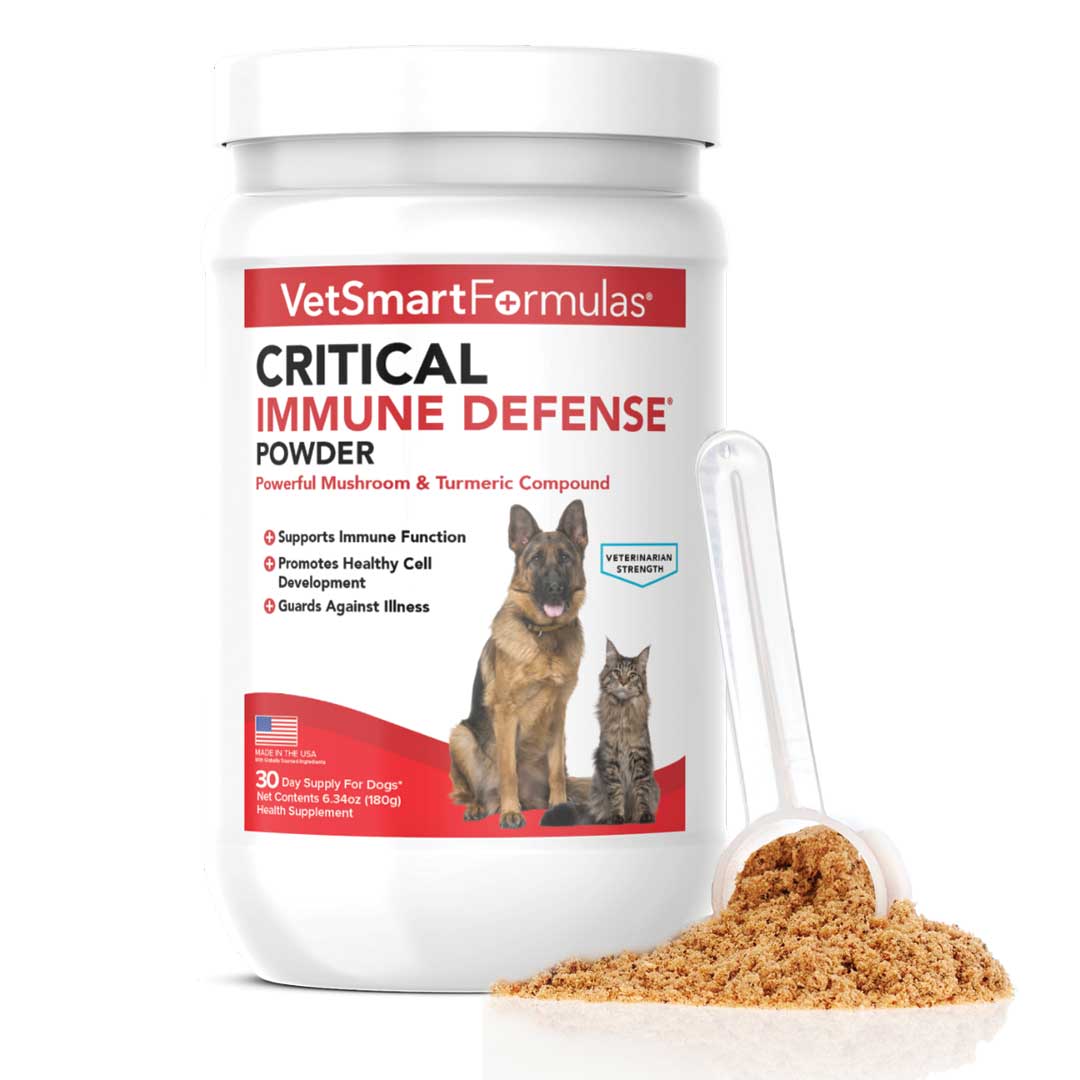
Probiotic Nutrient Enhancer

Best-on-the-market w/ 15 Billion active cultures

Maximize Your Dog's Nutrient Absorption And Support Healthy Digestion

Probiotic Nutrient Enhancer

Learn More

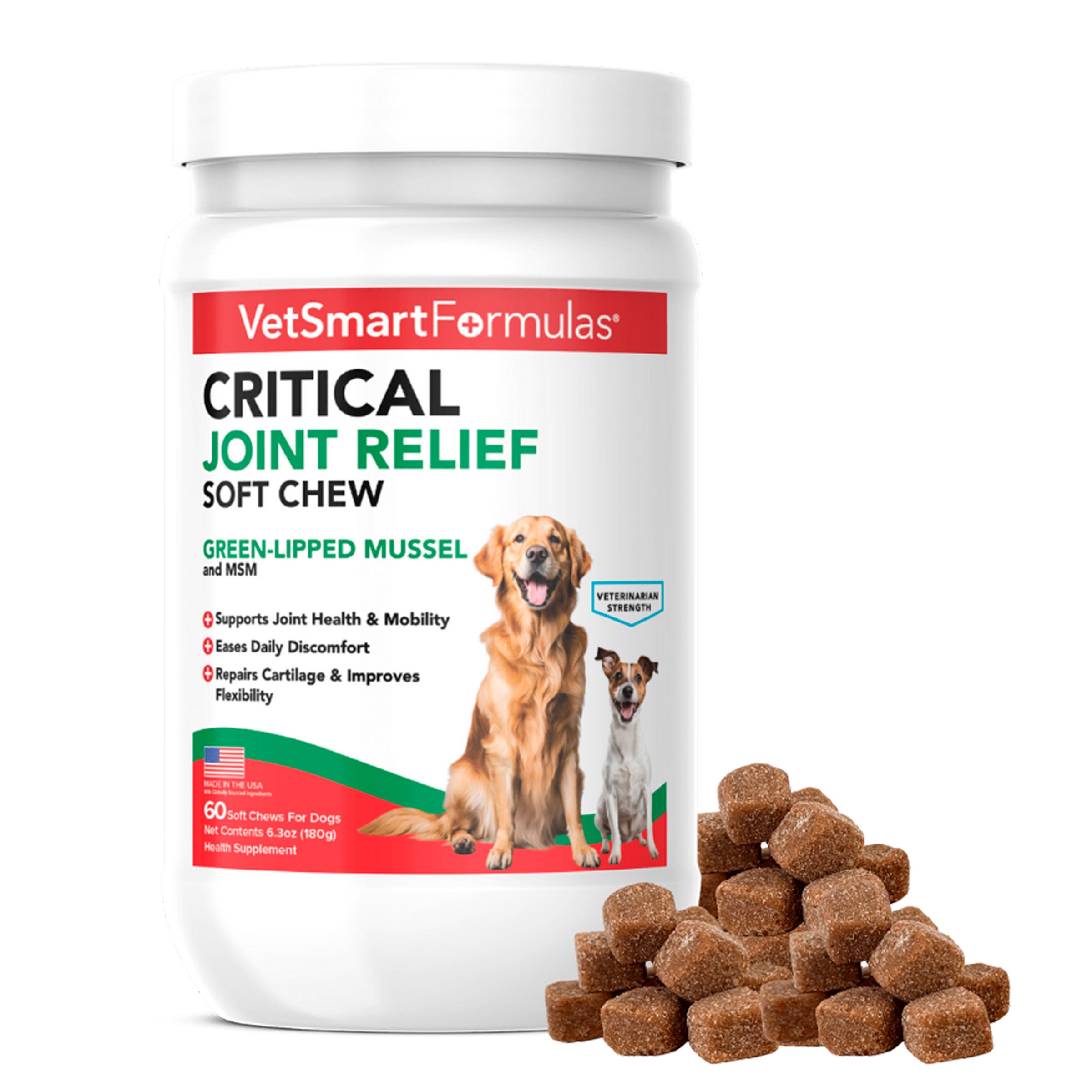
Advanced Hip + Joint Complex

w/ Green-Lipped Mussel, Sea Cucumber, & MSM

Relieve Your Dog's Arthritis + Joint Pain - Fast & Highly Effective!

Advanced Hip + Joint Complex with MSM

Learn More

Reading next

Top 5 Hypoallergenic Dogs
Why Is My Dog Limping?

More from Pet Wellness Blog

View all blog posts
Exercise and Play for Dogs: How Activity Supports Healthy Aging

Exercise and Play for Dogs: How Activity Supports Healthy Aging

Pet owners often assume that reduced energy, less interest in interactions, and more time resting are an inevitable part of their dog getting older. However, these changes may be less about your do...

Household Toxins and Dog Cancer Risk: What Pet Owners Should Know

Household Toxins and Dog Cancer Risk: What Pet Owners Should Know

Many pet owners assume their home provides the safest possible environment for their dog. However, everyday products can expose dogs to compounds linked to inflammation, oxidative stress, and cance...

Dog Not Eating During Cancer Treatment: Tips to Restore Appetite

Dog Not Eating During Cancer Treatment: Tips to Restore Appetite

Watching your dog refuse food during cancer treatment can feel alarming and frustrating. You offer their favorite meals. Try new foods. And still they turn away and won’t eat. Loss of appetite ofte...

Disclaimer:

Pet Wellness Direct does not intend to provide veterinary advice. We help pet owners to better understand their pets; however, all content on this site is provided for informational purposes only and is not a substitute for professional veterinary advice, care, diagnosis, or treatment. If you suspect that your pet needs medical assistance, you should contact your veterinarian immediately.