Dogs slow down with age. However, subtle shifts in behavior, such as hesitation or reduced movement, can signal more than simple aging. Many dogs show early warning signs of early joint disease long before severe symptoms appear.
Recognizing these differences early helps you protect mobility and ensure long-term comfort. Taking action at the first signs of stiffness can support joint health, reduce inflammation, and help your dog stay active for years to come.
What Is Considered Normal Aging in Dogs?
Normal aging brings gradual changes in energy and activity without clear signs of pain. Your dog may take longer to settle, move at a slower pace on long walks, or rest more throughout the day. Mild stiffness after sleep may appear but should resolve quickly once movement begins.
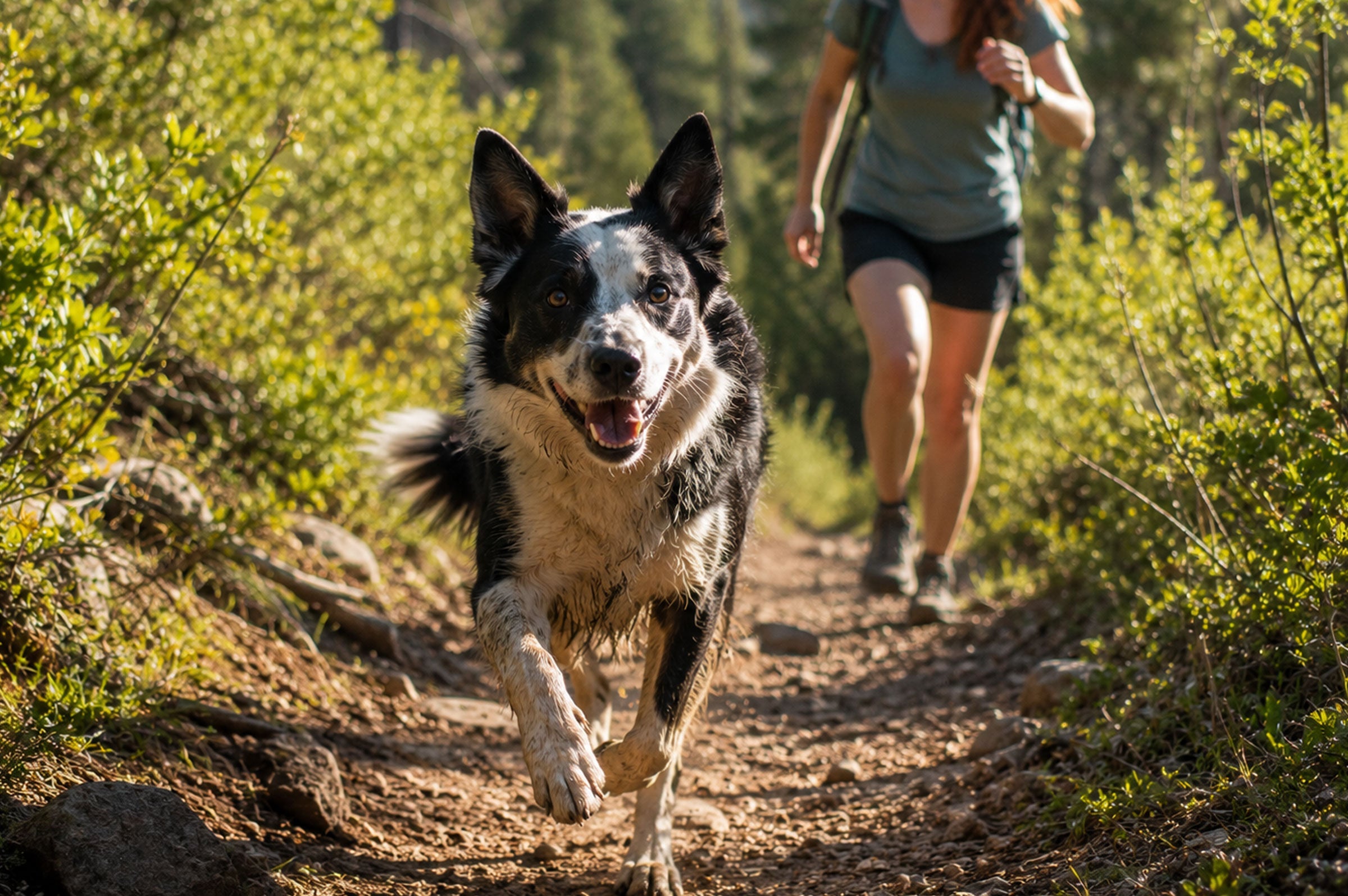
You should still see enthusiasm for daily activities. A healthy aging dog continues to engage, shows interest in walks, and moves without hesitation after warming up. These changes reflect normal aging rather than underlying joint disease.
What Are the Early Signs of Joint Disease or Arthritis in Dogs?
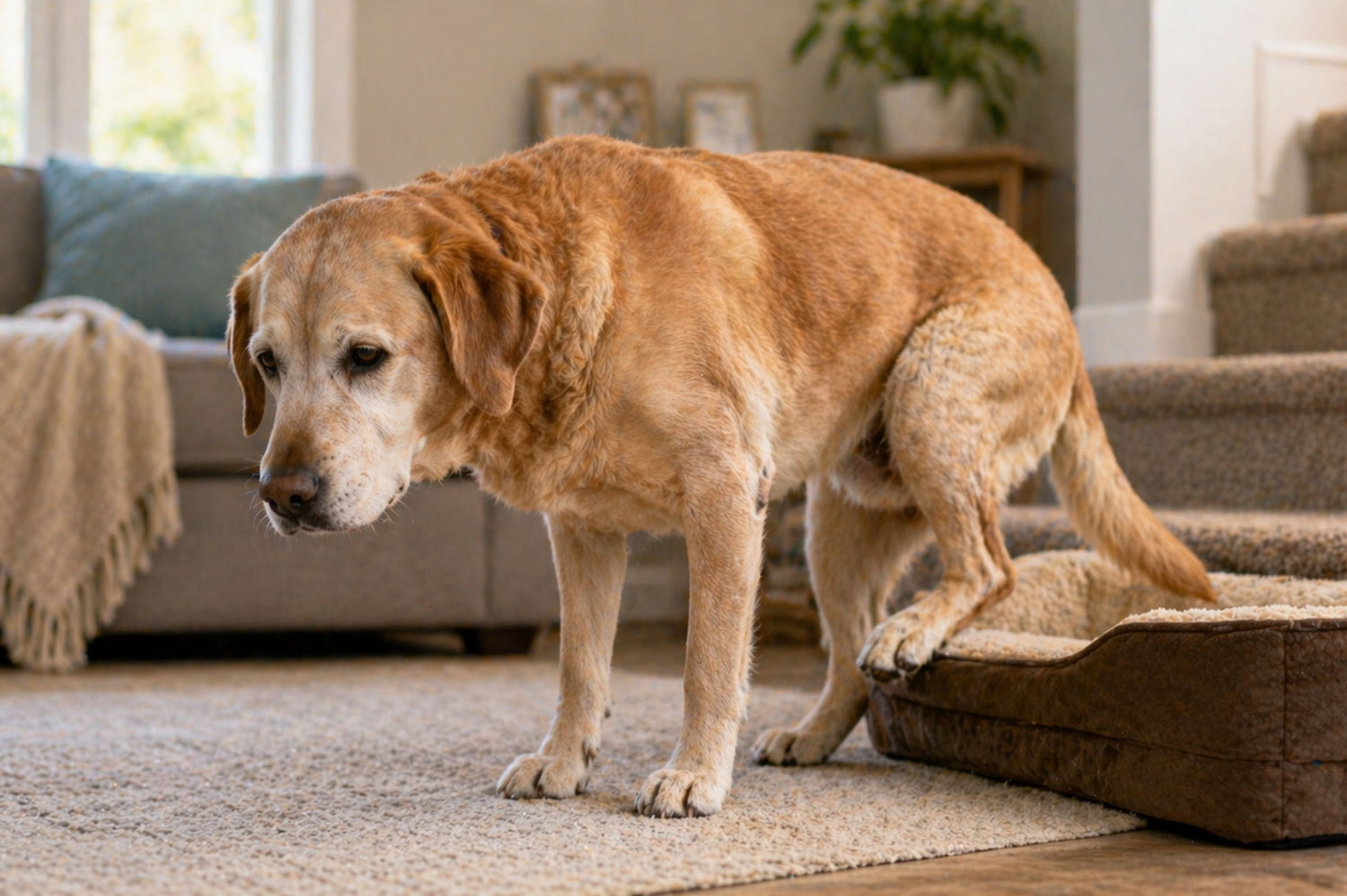
Early joint disease and osteoarthritis often show through small but consistent changes in movement. Your dog may hesitate before climbing stairs, avoid jumping into the car, or lag behind you during walks. Stiffness that lasts longer than a few minutes after rest often signals something more than normal aging.
You may also notice a behavior change. Irritability, withdrawal, or reduced interest in play can point to discomfort. Some dogs lick or chew at joints, shift weight between legs, or develop slight limping that becomes more noticeable over time.
How Does Joint Disease Develop Over Time?
Joint disease, and the most common form of it, osteoarthritis, develops when cartilage begins to wear down and inflammation increases within the joint. Healthy joints rely on smooth cartilage and fluid to allow easy movement. As this structure breaks down, friction increases and movement becomes more difficult.
Inflammation accelerates this process, leading to pain, stiffness, and reduced mobility. Factors such as previous injuries, repetitive strain, and excess weight increase the risk and speed of progression. Without early support, these changes continue and limit your dog’s ability to move comfortably.
How Can You Tell the Difference Between Aging and Pain?
Pain creates patterns that differ from normal aging. Instead of steady, gradual slowing, you may notice inconsistent movement with good days and bad days. Your dog may move normally at times, then suddenly show stiffness, hesitation, or reluctance to engage.
Other signs include guarding certain limbs, shifting weight, or reacting when touched in specific areas. These changes point to discomfort rather than simple aging and require closer attention to prevent further decline.
When Should You Talk to Your Veterinarian?
You should contact your veterinarian when stiffness persists, worsens, or interferes with daily activity. Limping, difficulty rising, or visible discomfort during movement requires prompt evaluation. Sudden changes or severe symptoms need immediate attention.
A veterinarian can assess movement, examine joints, and recommend appropriate diagnostics, including imaging. Early evaluation helps identify joint disease sooner, allowing you to take steps that support mobility and reduce long-term damage.

What Can You Do to Support Your Dog’s Joint Health Early?
You can support joint health through consistent lifestyle and nutrition choices. Maintaining a healthy weight reduces pressure on joints. Additionally, low-impact exercise, which includes walking or swimming, helps preserve strength and mobility. Supportive bedding and home adjustments can also improve comfort.
Targeted nutrients provide additional support. Omega-3 fatty acids, glucosamine, and green-lipped mussel help manage inflammation and support cartilage health. VetSmart Formulas Critical Joint Relief for Dogs delivers a higher inclusion rate of active ingredients, providing more beneficial compounds per dose for faster and more noticeable support.
Can Early Action Improve Your Dog’s Quality of Life?
Early action gives your dog a better chance to stay active and comfortable. Addressing stiffness before it progresses into chronic pain helps preserve mobility and supports long-term joint health.
If you want to take a proactive approach, VetSmart Formulas Critical Joint Relief for Dogs offers targeted support with high levels of active ingredients designed to help manage inflammation and maintain joint function. With consistent use, you can help your dog enjoy more active, pain-free years by your side.