Watching your dog refuse food during cancer treatment can feel alarming and frustrating. You offer their favorite meals. Try new foods. And still they turn away and won’t eat.
Loss of appetite often signals more than a picky eater. Nausea, side effects, and changes in metabolism can all reduce your dog’s desire to dig in at mealtime. Unfortunately, this lack of daily nutrition can lead to dehydration, muscle loss, and reduced strength.
However, pet owners aren’t out of options. The following practical steps can entice interest in food and help dogs start eating again. Remember to always consult your veterinarian before making dietary changes or adding supplements, especially during cancer care.
Why Does Cancer Treatment Affect Your Dog’s Appetite?
Cancer treatment can disrupt normal digestion and lead to loss of appetite for several reasons. Chemotherapy targets rapidly dividing cells, including the cells lining the digestive tract. Nausea, vomiting, and diarrhea can occur as a consequence. All of which then inhibits a healthy appetite.
Radiation therapy can also affect eating habits, especially when it involves the head or neck. Side effects, such as pain, inflammation, or reduced saliva, can make mealtime uncomfortable. In some cases, dogs develop food aversions if they associate certain foods with feeling unwell.
What Are Safe Ways to Encourage Your Dog to Eat?
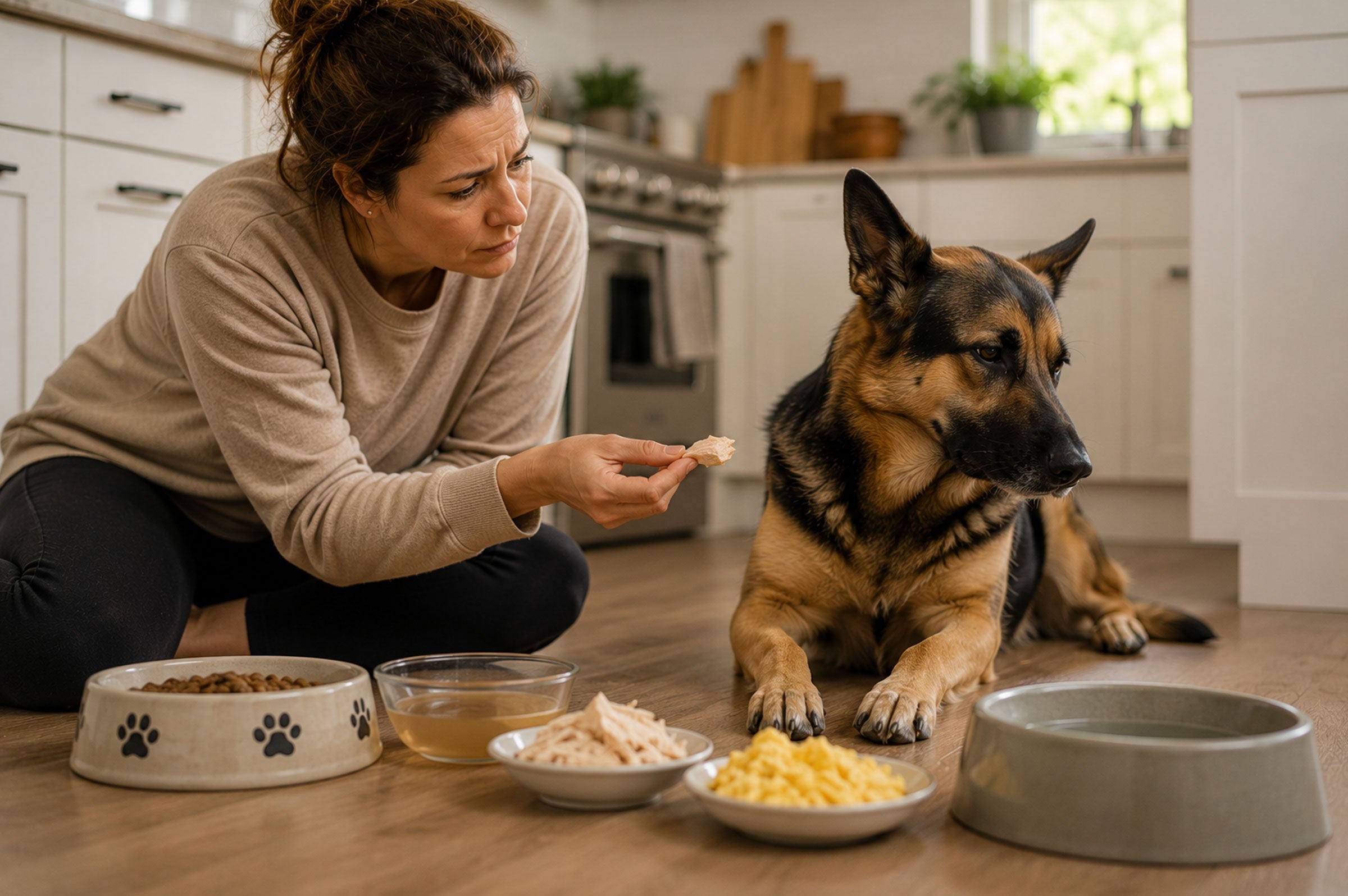
Improving aroma and texture often helps stimulate appetite. Try adding small amounts of low-sodium broth or water. Also, warming food to room temperature can make meals more appealing.
For dogs who feel overwhelmed by large portions or are feeling nauseous, consider offering small, frequent meals. High-value toppers such as boiled chicken or scrambled eggs can further encourage interest. And if all else fails, try hand-feeding, which can provide comfort and reduce anxiety around meals.
How Can You Increase Calories Without Overwhelming Your Dog?
Dogs undergoing cancer treatment often need more calories but tend to eat less. It’s a dilemma! However, nutrient and calorically-dense foods provide a viable solution. They deliver more energy in smaller portions. Healthy fats, such as fish oil or small amounts of canned food, can increase calorie intake while supporting overall health.
Focus on simple meals with high-quality ingredients to improve both the willingness to eat and digestion. Dogs tend to prefer more fragrant or gently cooked foods. Homemade meals will smell stronger than dry kibble, making them generally more appealing to even the most food-adverse dog.
How Do Hydration and Gut Health Affect Appetite?
Cancer treatments can lead to dehydration due to fluid loss through vomiting or diarrhea. Adding moisture to meals by adding broth or water to your dog’s food can help maintain hydration and may have the added benefit of encouraging eating.
Gut health also influences appetite. Probiotics and fiber sources, such as pumpkin, can help support the microbiome and improve digestion. A balanced gut can reduce discomfort and help your dog tolerate food more easily.

When Should You Contact Your Veterinarian?
Seek medical attention if your dog has not eaten for 24 to 48 hours. Persistent vomiting, diarrhea, or signs of dehydration may indicate the need for anti-nausea medication or appetite stimulants.
Additionally, severe lethargy, rapid weight loss, or inability to keep food down require immediate care. Early intervention can help prevent complications and improve your dog’s ability to recover and maintain strength during treatment.
How Can You Support Your Dog Safely With Supplements?
Natural supplements can support appetite, digestion, and immune health when used carefully. Introducing one supplement at a time helps you monitor your dog's response and reduces the risk of digestive upset. Giving supplements with food can also improve tolerance.
Veterinary guidance remains essential. Some supplements can interfere with treatment if used incorrectly, especially at high doses. Choosing high-quality products with clearly labeled ingredients helps ensure your dog receives effective, safe support.
Can You Help Your Dog Receiving Cancer Treatment Regain Their Appetite?
You can promote your dog’s interest in food by focusing on small, consistent improvements at mealtime. Proven strategies, including enhancing aroma, offering frequent meals, supporting hydration, and maintaining gut health, can all improve our dogs’ daily comfort and energy, especially during cancer treatment.
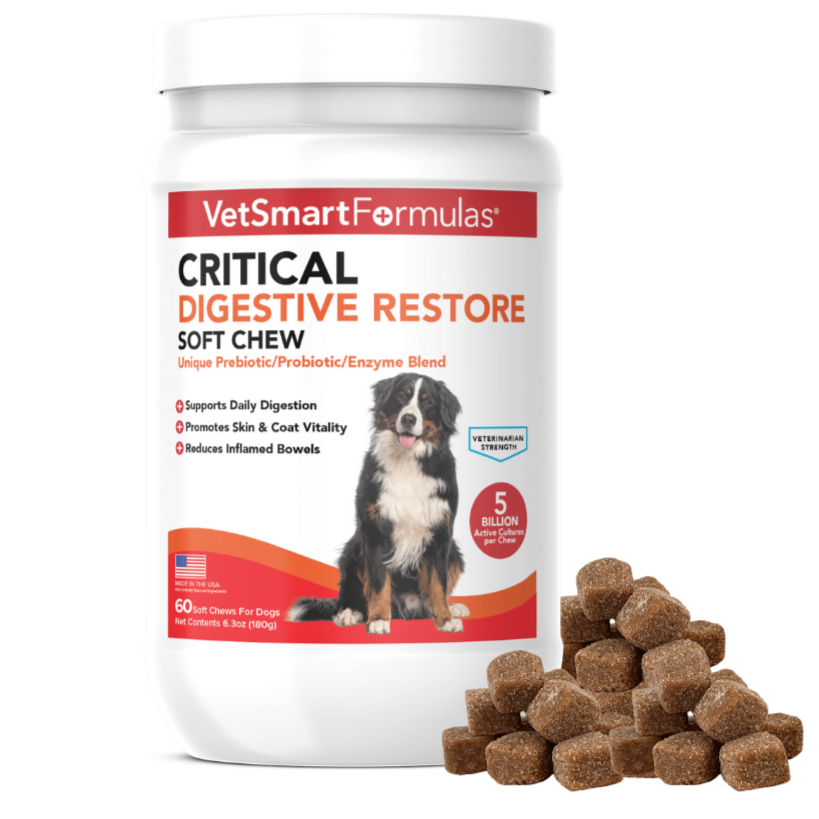
VetSmart Formulas Critical Digestive Restore for Dogs provides targeted probiotic support to help maintain gut balance during periods of stress and medical treatments. With a higher inclusion rate of active ingredients, it delivers more support per dose for improving digestion, nutrient absorption, and overall resilience. When used alongside veterinary guidance, this approach can help your dog feel stronger and more supported.