Many pet owners assume their home provides the safest possible environment for their dog. However, everyday products can expose dogs to compounds linked to inflammation, oxidative stress, and cancer risk. Even more worrisome, research now shows that certain environmental chemicals may damage DNA before visible signs of cancer appear.
Understanding where these toxins hide and how to reduce your dog’s exposure can help support long-term health. These small changes in your home, cleaning habits, and wellness routine can lower the toxic burden and help protect your dog’s immune system over time.
Which Household Chemicals Raise Concern for Dogs?
Many common household products release volatile organic compounds, also called VOCs. These chemicals, which include benzene, formaldehyde, toluene, and trichloroethylene, can linger in indoor air for hours or days. Aerosol sprays, fragranced candles, laundry products, cleaning sprays, paints, and solvents often contain these compounds.
Research has linked long-term exposure to these chemicals with canine cancers such as lymphoma and bladder cancer. Dogs absorb these compounds through inhalation, skin contact, and ingestion of household dust. Over time, repeated exposure can contribute to inflammation and oxidative DNA damage.
How Do Lawn Chemicals Affect Cancer Risk?
Herbicides and pesticides used on lawns can create significant exposure risks for dogs. Multiple studies have linked certain lawn chemicals, including glyphosate and 2,4-D, with increased rates of canine malignant lymphoma.
Dogs encounter these chemicals while walking, lying in grass, or licking their paws after outdoor activity. One study found that professionally applied lawn chemicals correlated with a 70% higher risk of canine malignant lymphoma. Limiting exposure to treated lawns can help reduce this risk over time.
Why Are Dogs More Vulnerable to Environmental Toxins?
Dogs' daily habits create constant opportunities for exposure. They spend much of their time in close contact with the floor and ground surfaces, where dust and chemical particles collect. They also groom themselves frequently. It’s easy to see how contaminants can go from trapped in their fur and paws to absorbed into their bodies.
These exposures to indoor pollutants, flame retardants, plastics, cigarette smoke, and chemical residues may accumulate in the body over time. Researchers often refer to dogs as “canine canaries” because their cancer rates can reflect environmental dangers shared with humans.
Can Plastic Pet Products Create Additional Risks?
Plastic bowls, toys, and food containers can expose dogs to harmful chemicals such as phthalates and BPA-related compounds. Chewing and repeated contact increase the chances of these substances entering the body.
Small changes in everyday pet products can significantly reduce toxic load over time. Switching to stainless steel, ceramic, glass, hemp, wool, or natural rubber alternatives can help reduce exposure. Washing food and water bowls daily also helps limit bacteria, mold, and chemical buildup.
How Can You Reduce Toxins Inside Your Home?
Improving indoor air quality can make a meaningful difference. HEPA filters help remove fine particles, while activated carbon filters capture VOCs and airborne chemicals. Also, opening windows regularly and improving ventilation helps reduce indoor pollutant buildup.
Using fragrance-free cleaning products and avoiding aerosol sprays can further lower exposure. Some pet-safe plants, such as spider plants and Boston ferns, can further help filter indoor air naturally. They’re a natural way to provide a cleaner indoor environment that supports both your dog’s health and your own.

How Do Antioxidants and Nutritional Support Help Protect Dogs?
Environmental toxins increase oxidative stress, which can damage cells and DNA over time. Antioxidants help neutralize these harmful compounds and support the body’s natural defense systems. Nutrients such as glutathione-supporting compounds, omega-3 fatty acids, and certain mushrooms can help support cellular health.
Digestive health also influences detoxification and immune function. A balanced microbiome supports nutrient absorption and helps maintain normal inflammatory responses. Providing targeted nutritional support can help the body manage environmental stress more effectively.
Can Small Changes Help Protect Your Dog Long-Term?
Reducing toxic exposure does not require a complete lifestyle overhaul. Small steps such as avoiding lawn chemicals, improving air quality, replacing plastic products, and choosing safer cleaners can lower your dog’s daily chemical burden.
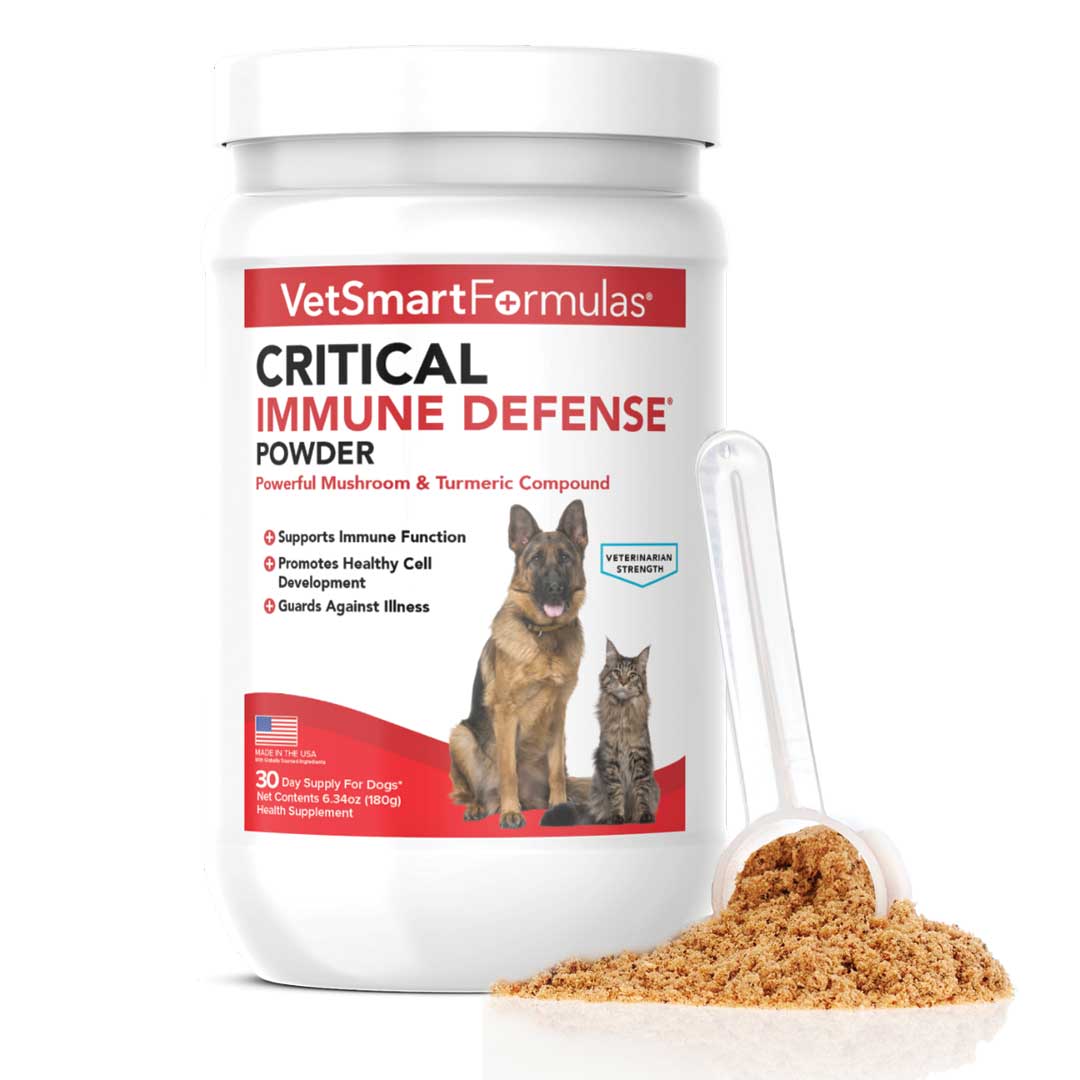
For additional immune and antioxidant support, VetSmart Formulas Critical Immune Defense provides a higher inclusion rate of active ingredients than many alternatives, delivering more beneficial compounds per dose. Combined with a cleaner home environment and proactive wellness habits, this support can help protect your dog’s long-term health and resilience.