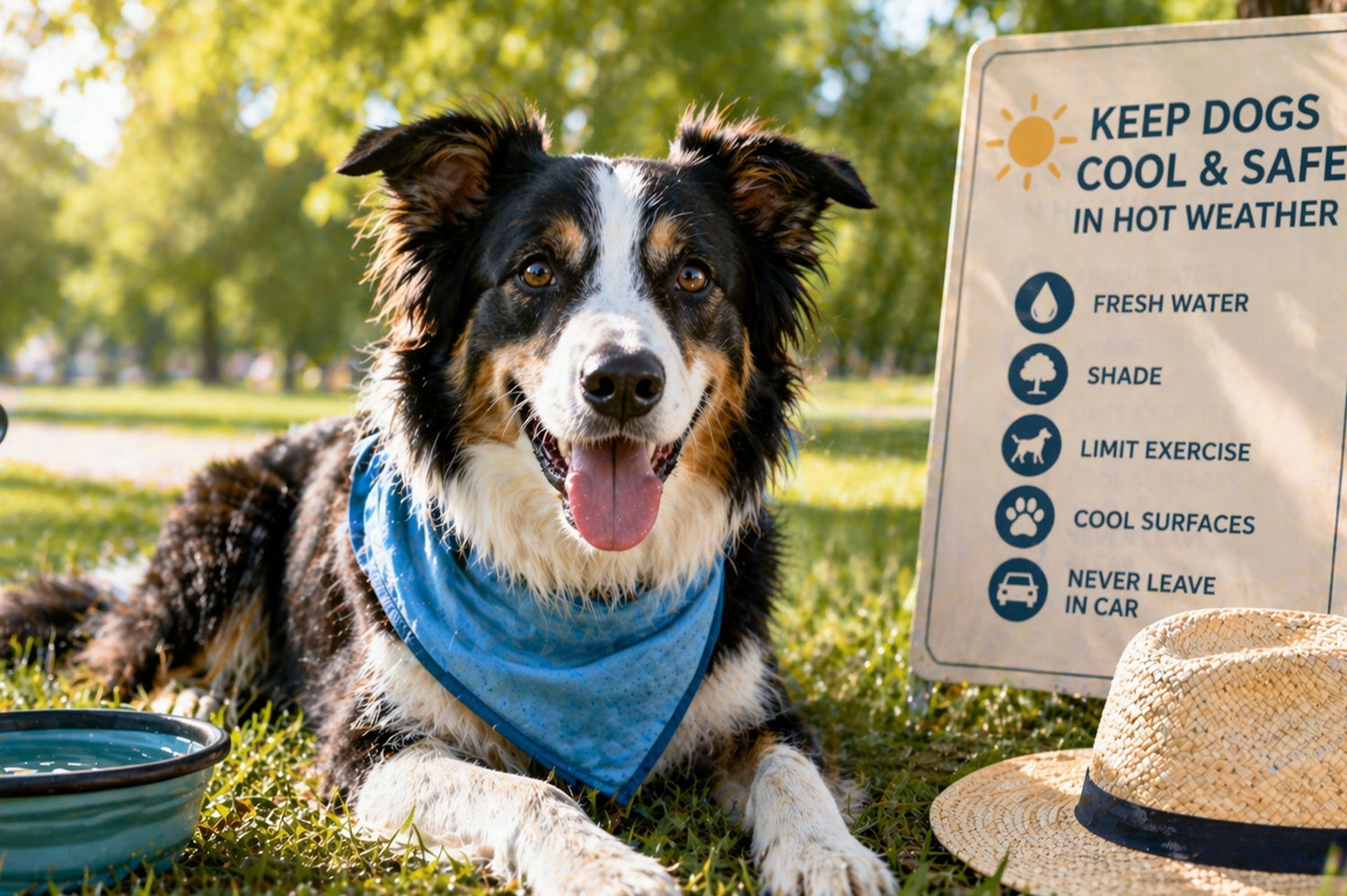
Warm weather invites more outdoor play, longer walks, and increased activity, but it can also introduce serious health risks for dogs. Dogs rely on different cooling mechanisms than humans, which makes them more vulnerable to overheating, dehydration, and inflammation.
Understanding how heat affects your dog’s body helps you prevent issues before they escalate. With the right adjustments to routine, environment, and support, you can help your dog stay active, healthy, and comfortable even during the hottest months.
How Does Hot Weather Affect Your Dog’s Body?
Dogs regulate body temperature primarily through panting. However, this method of cooling becomes less effective in high heat and humidity. As temperatures rise, their bodies work harder to cool down, placing strain on the cardiovascular and respiratory systems.
When heat builds too quickly, it can lead to dehydration, fatigue, and dangerous increases in body temperature. Severe cases may progress to heatstroke, in which internal temperatures exceed safe levels and risk of organ damage.
What Are the Signs of Overheating in Dogs?
Early signs of overheating often include excessive panting, drooling, and restlessness. As heat stress increases, dogs may show weakness, vomiting, or difficulty walking. These behaviors signal the need for immediate action.
More advanced symptoms, such as disorientation, bright red or pale gums, and collapse, indicate a medical emergency. Heatstroke can escalate quickly, so recognizing these warning signs early can make a critical difference in your dog’s recovery.
Why Is Hydration So Important During Warmer Months?
Dogs lose significant amounts of moisture through panting, especially during activity in warm weather. Without adequate hydration, their bodies struggle to regulate temperature, maintain energy levels, and support organ function. Even mild dehydration can lead to fatigue and reduced resilience. Consistent access to fresh water supports circulation, digestion, and toxin removal while reducing the risk of overheating and heat-related illness.
How Should You Adjust Your Dog’s Exercise Routine in the Heat?
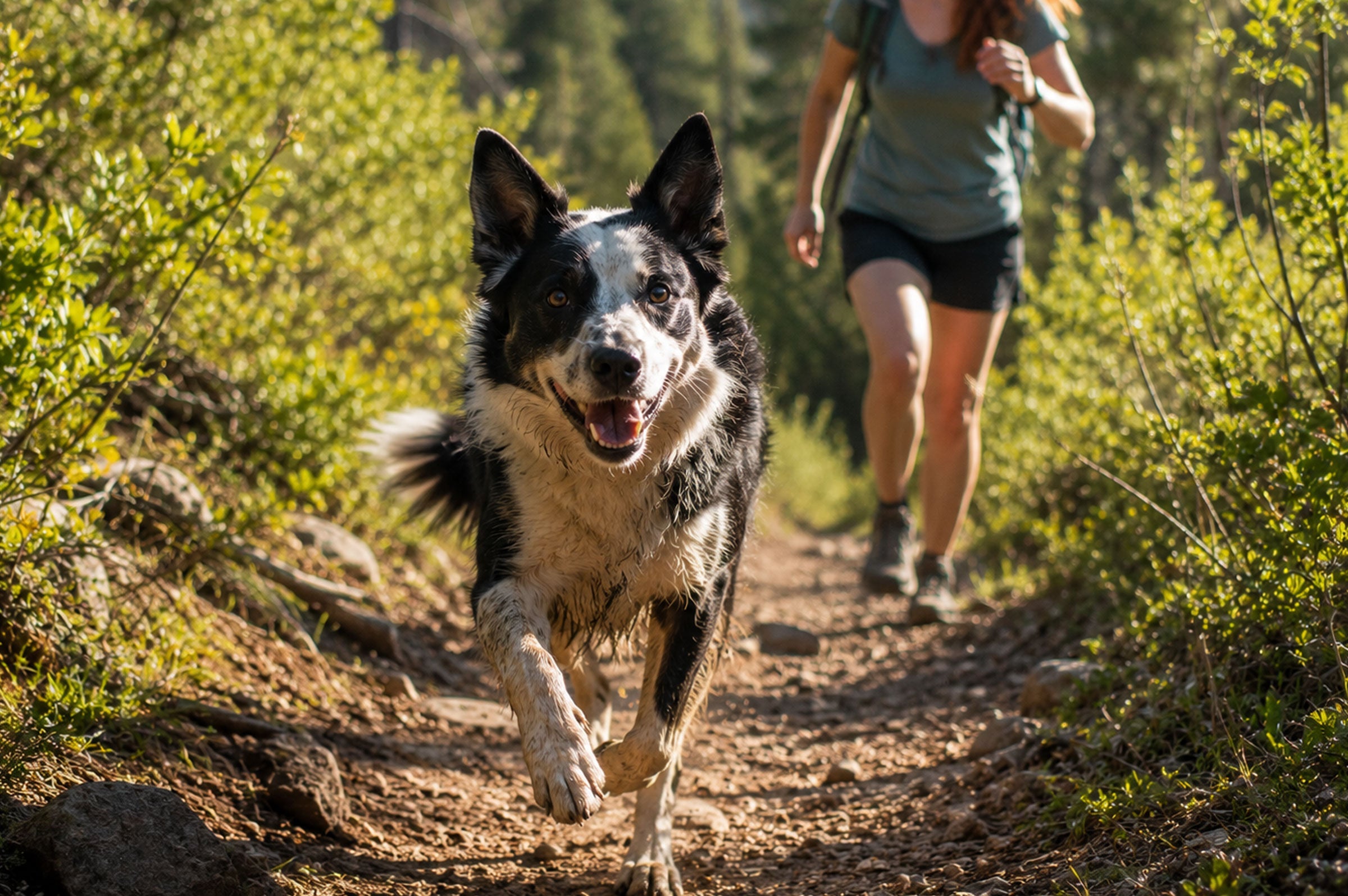
Exercise routines should shift to cooler parts of the day, such as early morning or late evening, when temperatures remain safer. Shorter walks and reduced intensity help prevent overheating while still maintaining mobility and routine.
Low-impact activities like swimming or indoor play also offer safer alternatives during peak heat hours. Watching for signs of fatigue, such as slowing down or heavy panting, helps you adjust activity levels before your dog becomes overheated.
How Can You Protect Your Dog’s Paws in Hot Weather?
Hot pavement and concrete can quickly reach temperatures that burn sensitive paw pads. Even brief exposure to hot surfaces can cause discomfort that affects your dog’s mobility. Testing surfaces before walks and choosing grass or shaded paths helps reduce the risk of injury.
Consider protective measures, such as paw balms or dog booties, to create a barrier against the heat. Even if you place a barrier between your dog’s paws and the ground, still conduct regular checks for redness or irritation to help catch issues early.
How Does Hot Weather Impact Joint Health and Inflammation?
High temperatures can cause inflammation in dogs with existing joint issues. Dogs with joint discomfort or arthritis will avoid moving around. However, decreased activity during hot weather can contribute to stiffness and muscle loss.
So, striving to maintain gentle, consistent movement during cooler times of day can go far to support joint flexibility and overall mobility. Also, providing cool resting areas and avoiding weight gain can reduce added stress on joints during warmer months.
What Can You Do to Keep Your Dog Comfortable All Summer?
Simple adjustments to daily routines can significantly improve your dog’s comfort and overall wellness. Access to shade, airflow, and cooling surfaces helps regulate your dog’s environment and reduces heat stress. Avoid confined or poorly ventilated spaces. Leaving your dog in a parked car remains one of the greatest safety hazards.
Grooming can also aid in temperature control. However, avoid shaving your dog. Maintaining a protective coat helps prevent sun exposure and supports natural insulation.

Can Supplements Help Support Your Dog During Hot Weather?
Targeted supplements can support hydration, digestion, and inflammation management during periods of heat stress. Ingredients including probiotics, omega-3 fatty acids, and antioxidants help maintain balance when seasonal changes affect your dog’s system.
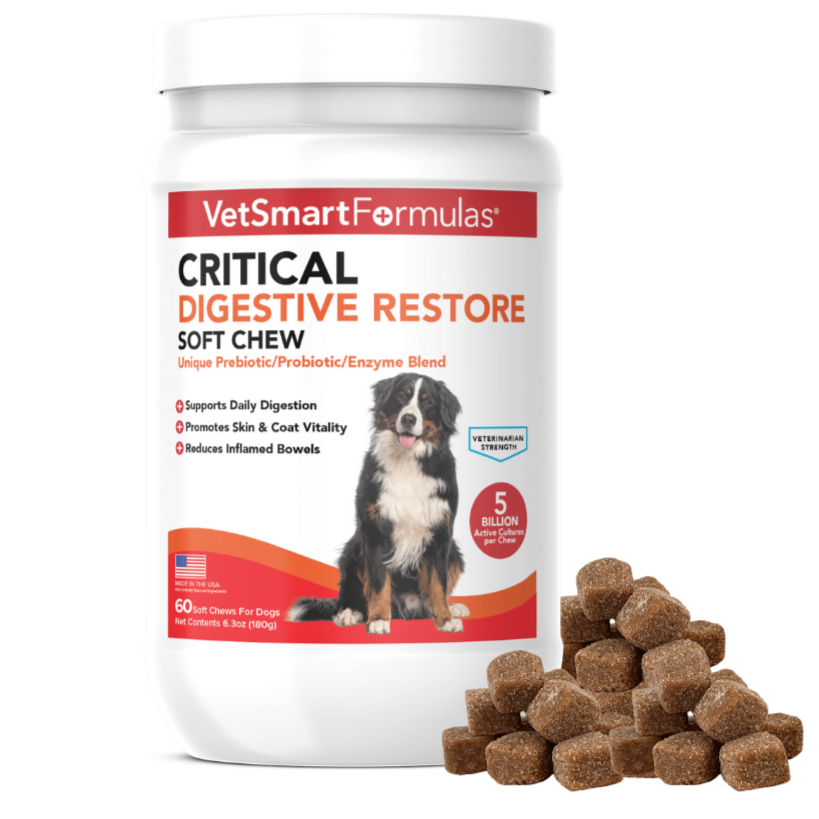
VetSmart Formulas Critical Digestive Restore for Dogs provides probiotic support to stabilize gut health, which can often become disrupted during hot weather. With a higher inclusion rate of active ingredients, it delivers more support per dose, helping your dog maintain resilience, digestion, and overall comfort throughout the summer.