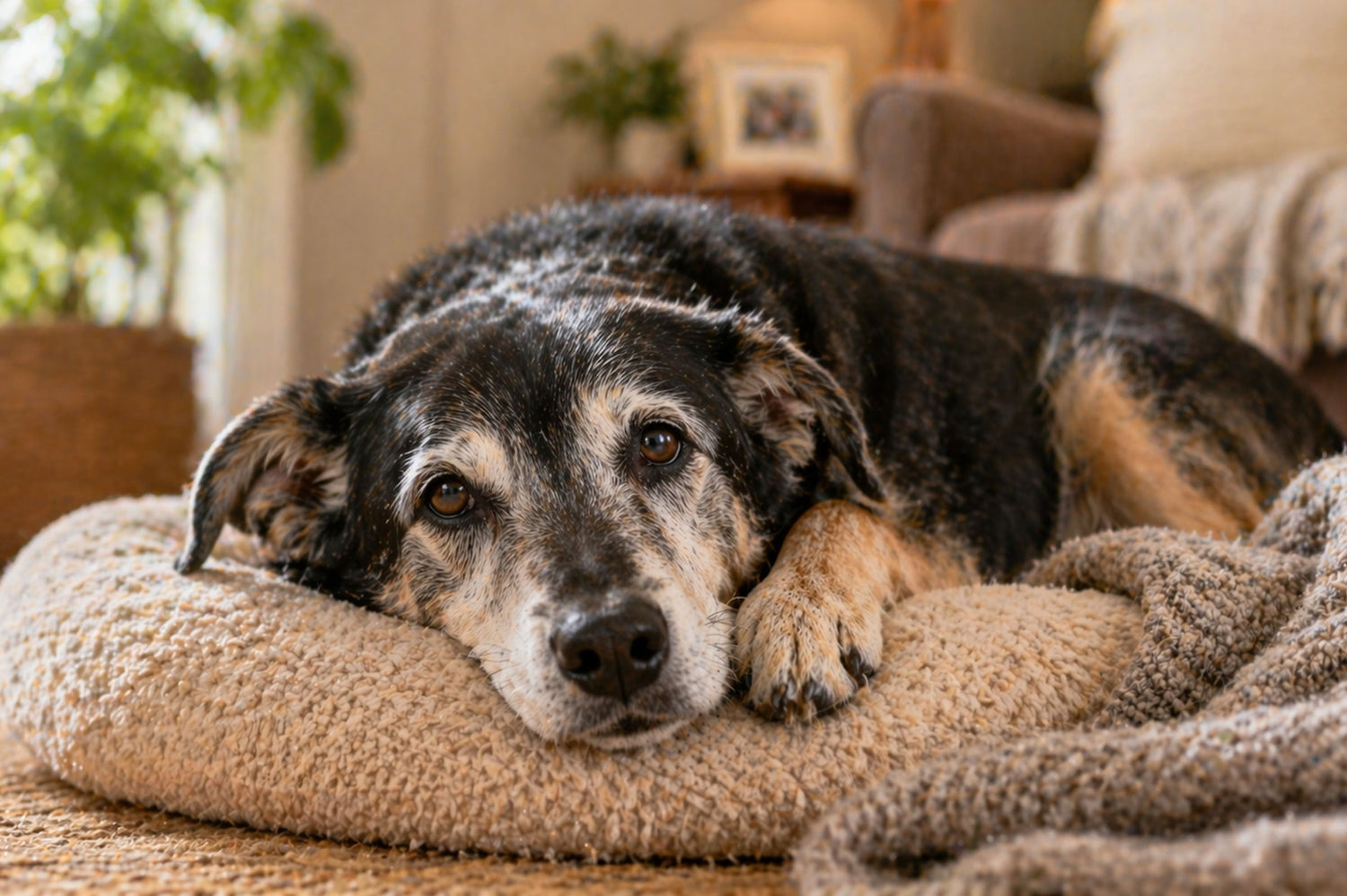
Dogs rarely wake up one day and suddenly seem old. Aging usually happens in small, easy-to-miss physical and behavioral changes that accumulate over time. A little less energy, more naps, or less enthusiasm on walks may seem minor at first, but they can signal shifts happening beneath the surface.
The earlier you notice these changes, the more options you have to support your dog’s comfort, mobility, and long-term health. Healthy aging starts long before obvious decline. Awareness can help pet owners notice issues and take steps to improve their dog’s longevity.
What Are the First Signs That Your Dog May Be Slowing Down?
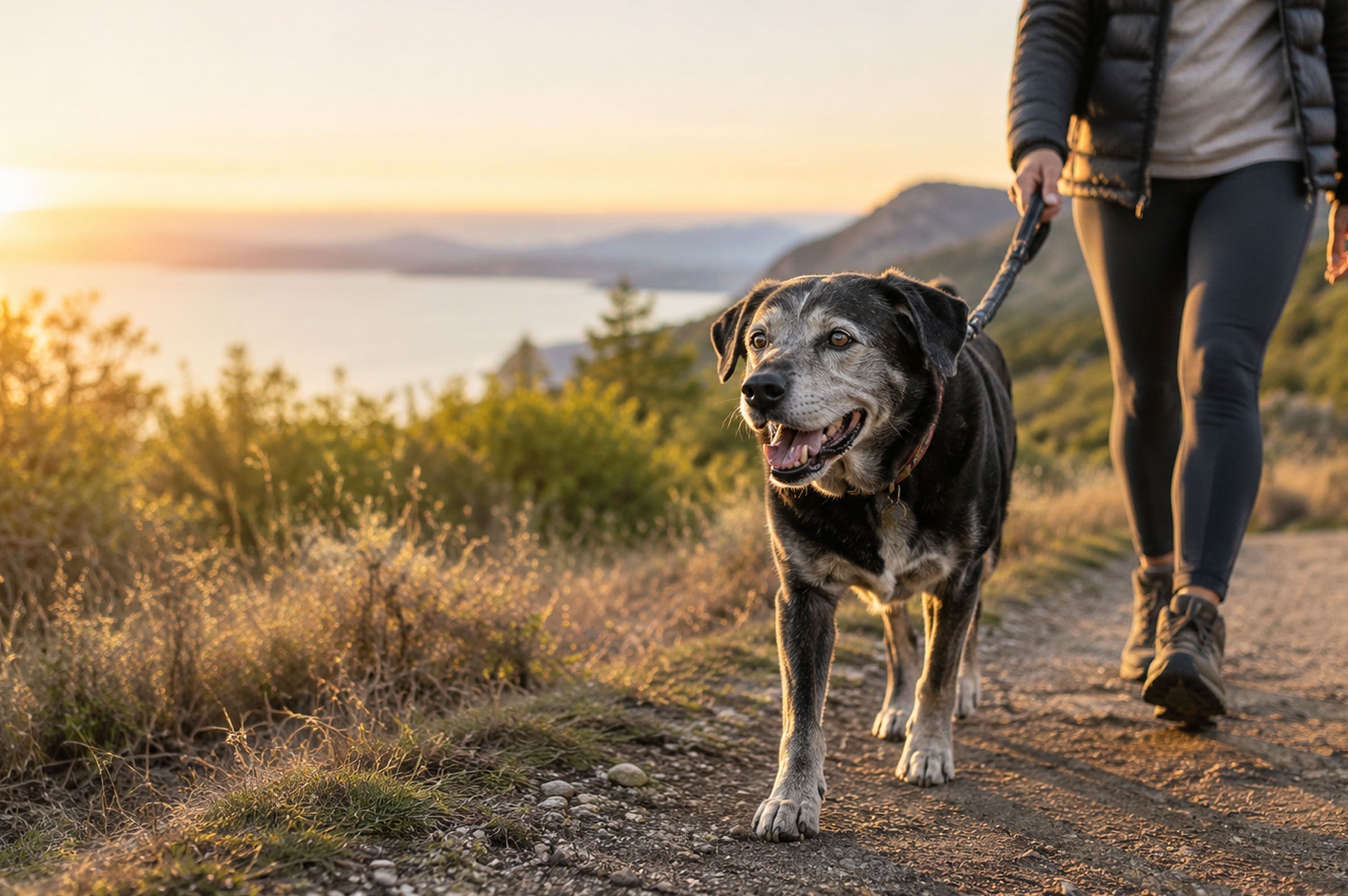
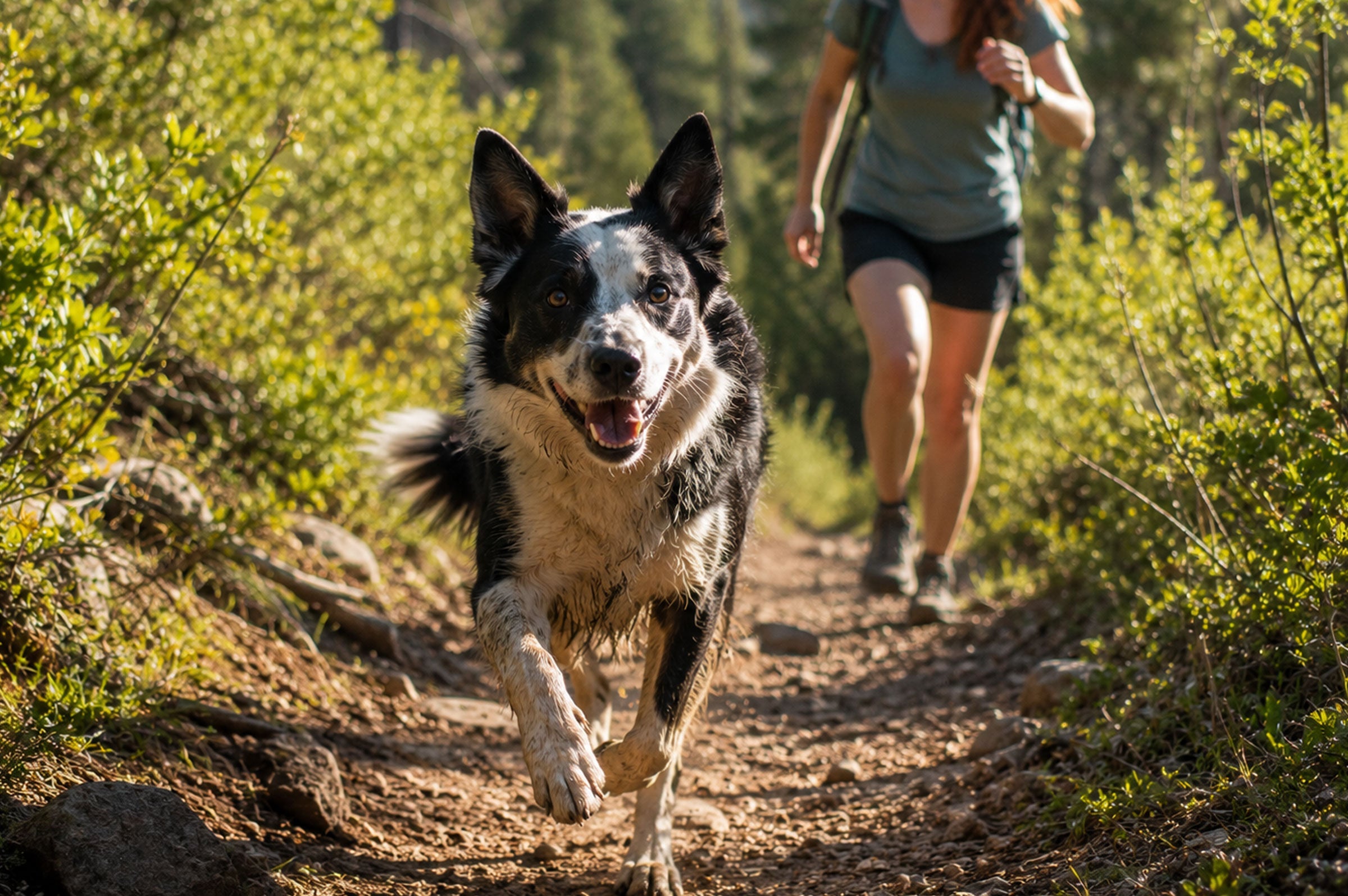
You may notice lower stamina first. Your dog may tire faster on walks, lose interest in extended play sessions, or take longer to recover after activity. Some dogs also start sleeping more or seem less eager to join daily routines they once loved.
These changes can feel easy to brush off, especially if they happen gradually. But reduced stamina often reflects early shifts in joint comfort, muscle strength, or cellular energy production. Paying attention to these patterns can help you support your dog before those changes become harder to manage.

How Can Behavior Changes Signal Early Aging?
Subtle behavior changes can also provide clues. Your dog may seem more clingy, anxious, or restless at night. Some dogs pace more, bark at unusual times, or seem less interested in toys, training, or social interaction.
These shifts can point to early cognitive changes rather than personality changes. Research shows canine cognitive dysfunction affects an estimated 14% to 35% of dogs over age eight, yet many cases go unrecognized because the signs appear gradually. Noticing changes in sleep, awareness, and routine behavior can help you act sooner.
Aren’t Mobility Changes Just Part of Getting Older?
Slowing down does not always mean “normal aging.” Many dogs develop stiffness, soreness, or hesitation long before owners realize discomfort plays a role. You may notice your dog taking longer to stand up, avoiding stairs, hesitating before jumping, or favoring one leg.
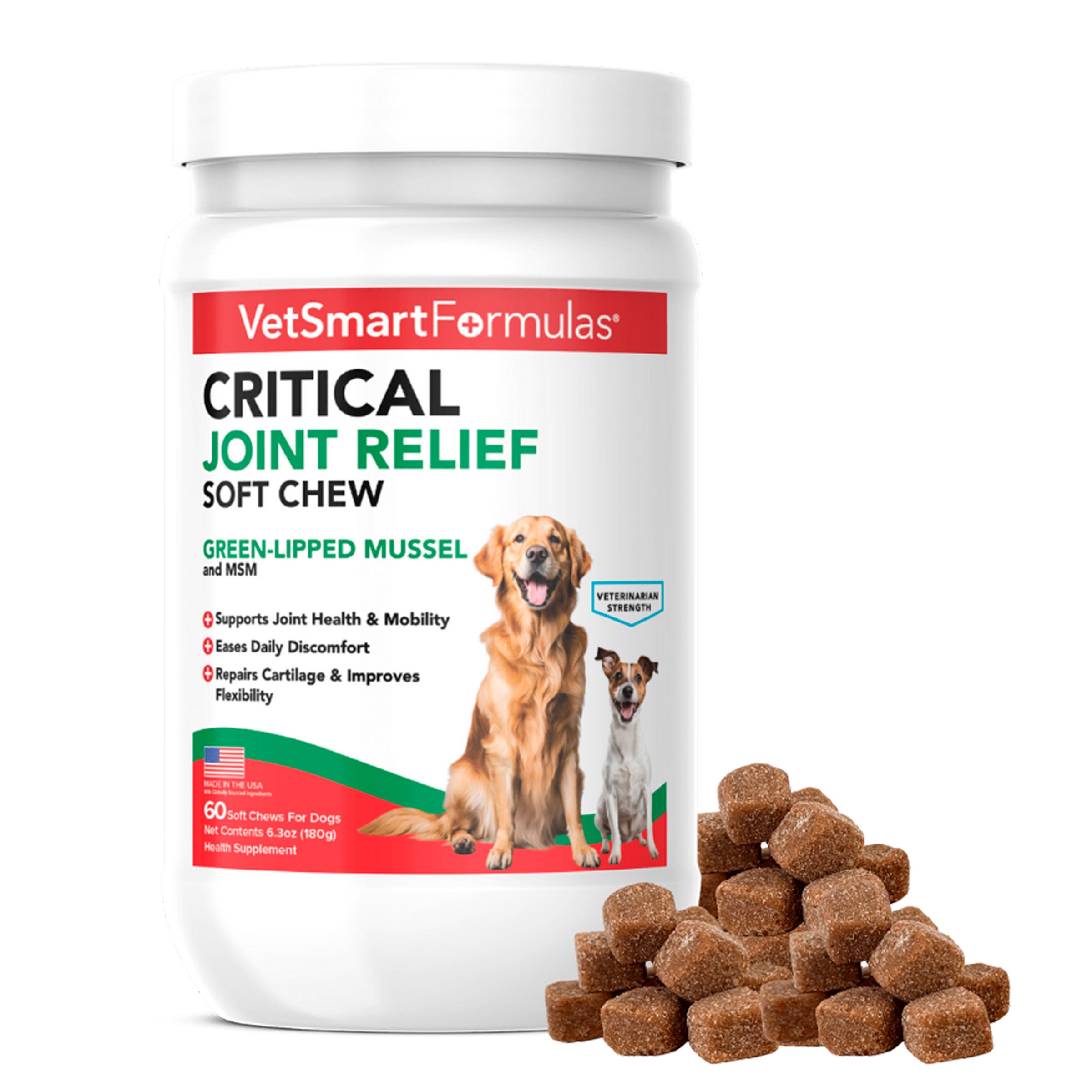
These changes often point to joint stress, inflammation, or early arthritis. The sooner you address mobility changes, the better you can keep your dog active and comfortable. Small adjustments now can help prevent bigger limitations later.
What Physical Signs of Early Aging Do Pet Owners Often Overlook?
Common signs of aging in your dog’s appearance often include graying around the face, a duller coat, and weight gain from reduced activity or muscle loss. Pet owners tend to notice these changes. However, other, less obvious symptoms may get disregarded. However, they matter just as much.
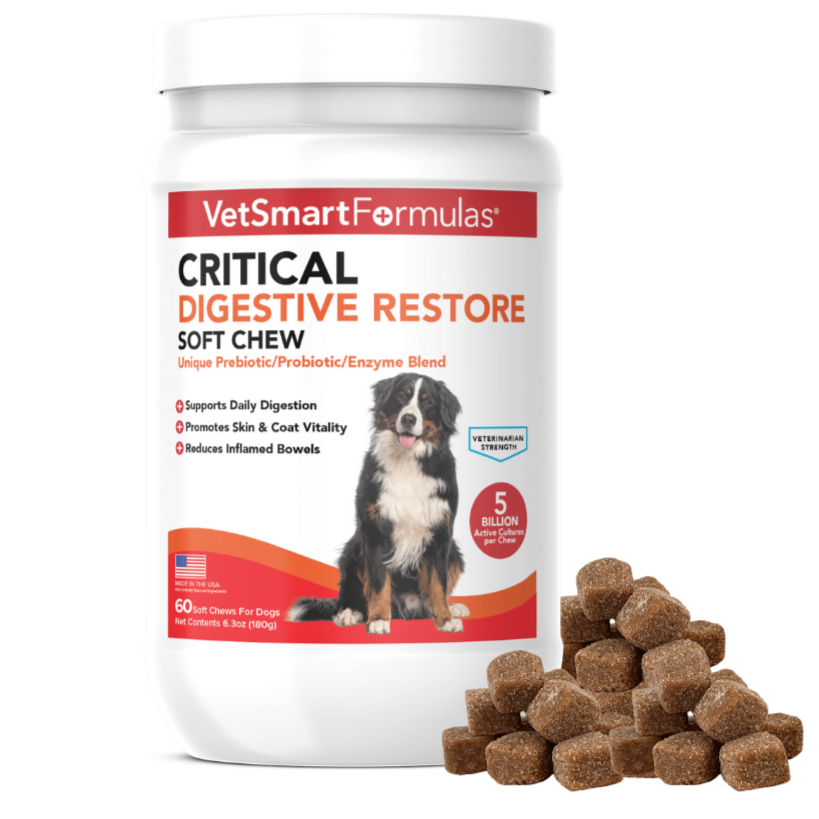
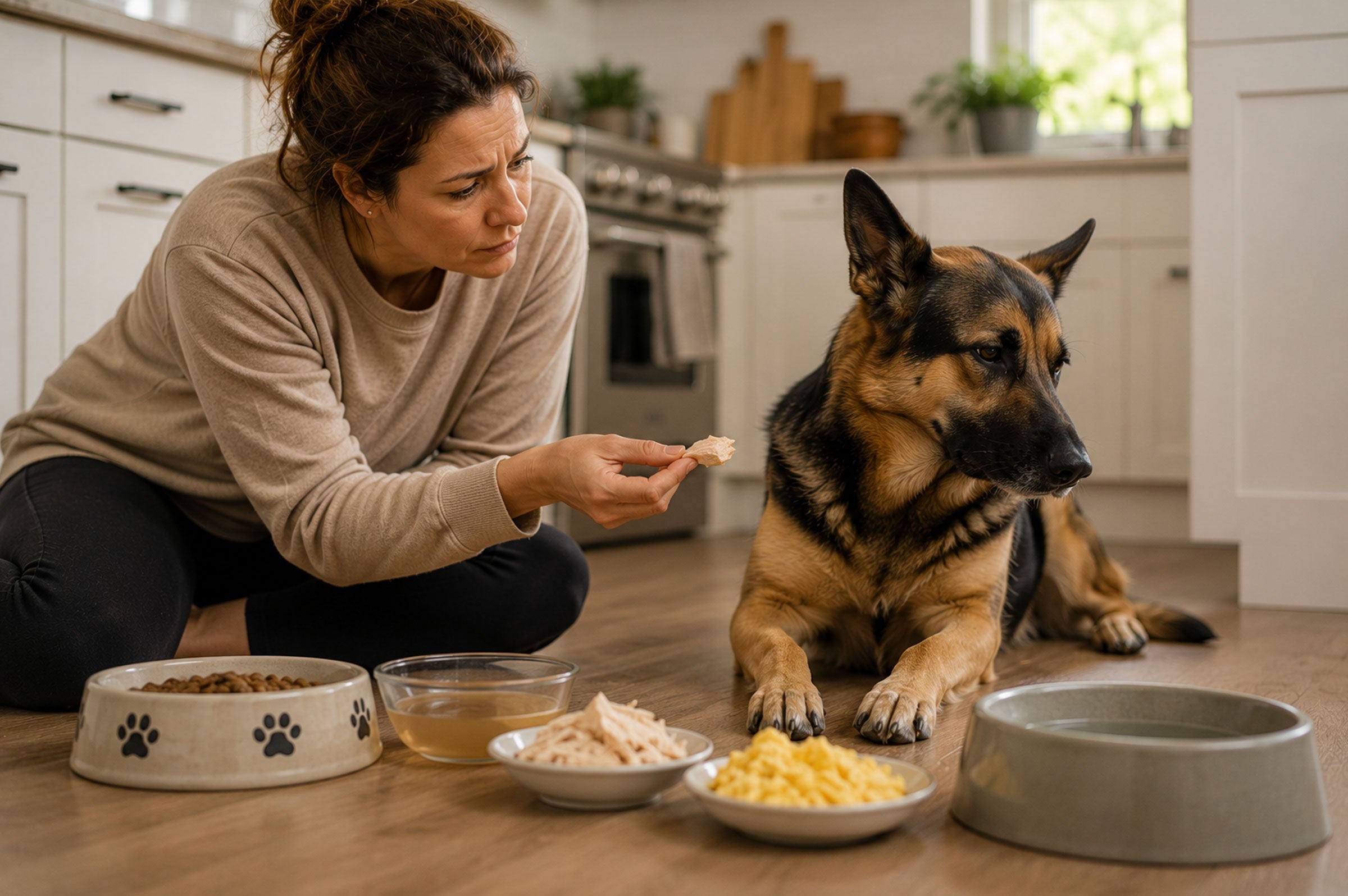
Cloudy eyes, bad breath, accidents in the house, or changes in appetite can all signal underlying issues that need support. Many pet owners miss these signs because they happen gradually. But they can offer an early chance to improve your dog’s health and comfort. Also, keep in mind that new lumps or bumps that may appear deserve a vet’s attention.
When Should You Talk to Your Veterinarian?
Any new physical or behavioral change deserves attention, especially if it lasts more than a few days or starts affecting your dog’s daily routine. A veterinarian can help determine whether the issue relates to normal aging, arthritis, dental disease, sensory decline, or cognitive changes.
Getting answers early gives you more ways to help. Your vet can guide you on nutrition, exercise, supplements, and lifestyle changes that fit your dog’s needs. Early support often leads to better comfort and a healthier, longer lifespan.
How Can You Help Your Dog Age More Gracefully?
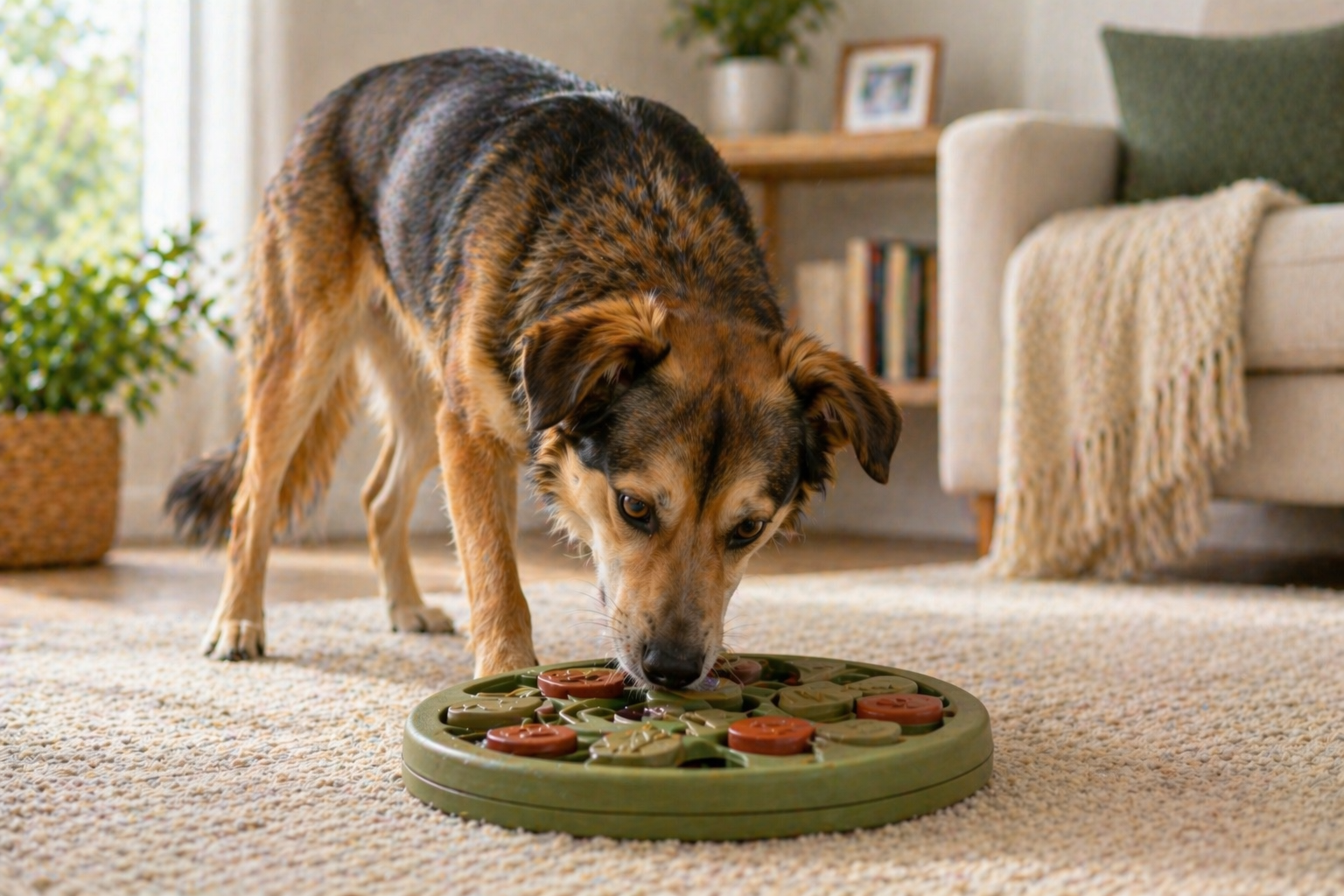
Healthy aging depends on daily support, rather than waiting to react only when something feels off. Consistent exercise, weight management, mental stimulation, and good nutrition all help protect your dog’s mobility, brain function, and overall vitality.
Pet Wellness Direct will soon launch Critical Longevity Protect, a premium formula designed to support healthy aging at the cellular level. This veterinarian-informed blend supports brain health, cellular energy, and oxidative balance to help dogs stay sharp, active, and engaged as they age. Starting early gives your dog the best chance to enjoy more healthy years by your side.