For many dog owners, it can feel confusing to know whether they’re doing enough to create a daily routine that supports their dog’s long-term health. Over time, an inconsistent, haphazard schedule can affect your dog’s energy, mobility, comfort, and overall quality of life.
However, it doesn’t have to be complicated. In 2026, the most effective “healthy dog routines” fit naturally into everyday life. When pet owners know which healthy habits to prioritize in their dog’s normal day, it's easier to support a happier, more active life.
Which Daily Habits Have the Greatest Impact on Longevity?
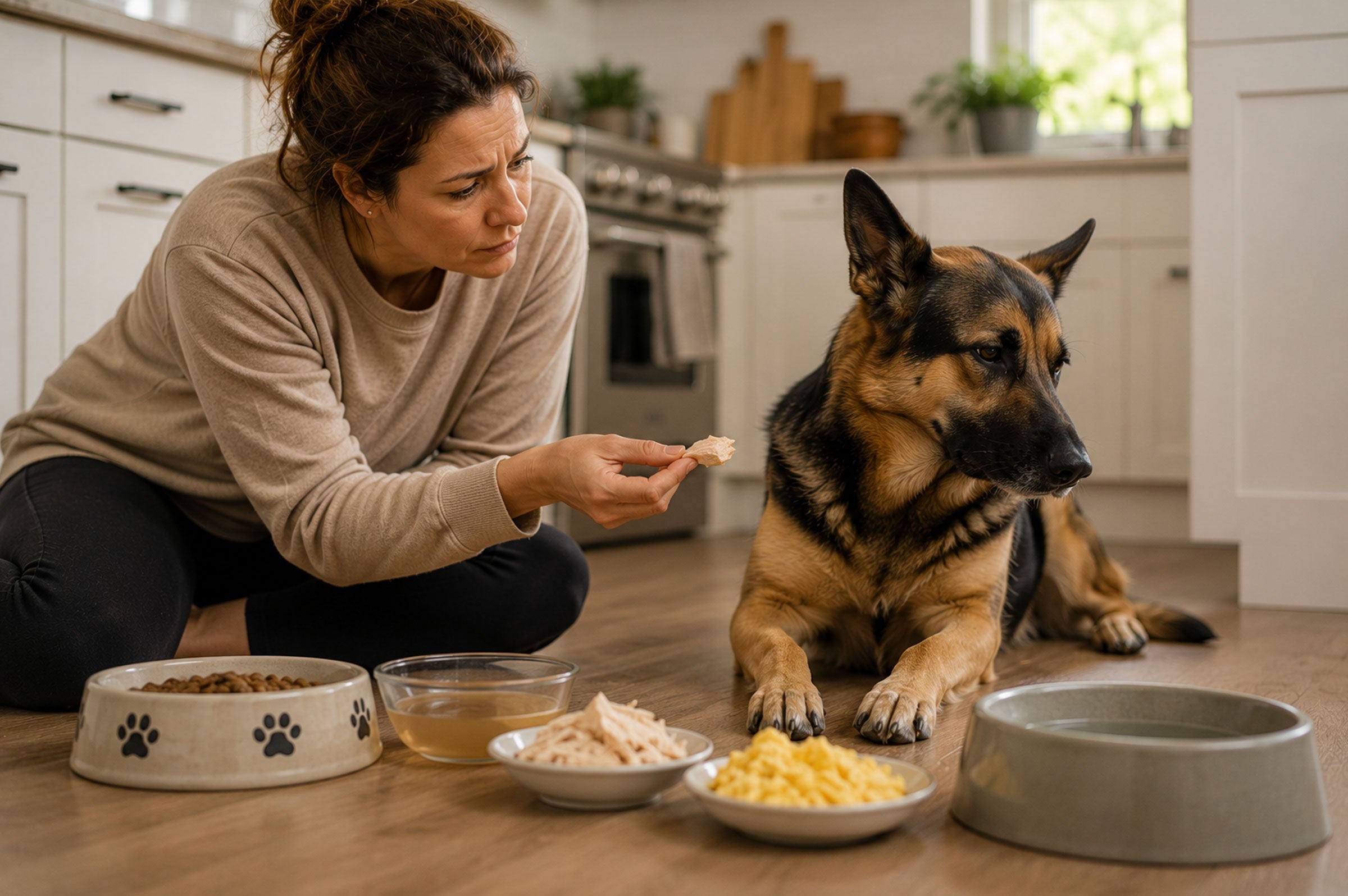
A healthy routine starts with consistency in the fundamentals. Portion-controlled feeding helps maintain a lean body condition, which directly supports joint health, energy levels, and disease prevention. Excess weight increases inflammation and places added stress on the body, which can shorten a dog’s healthy years.
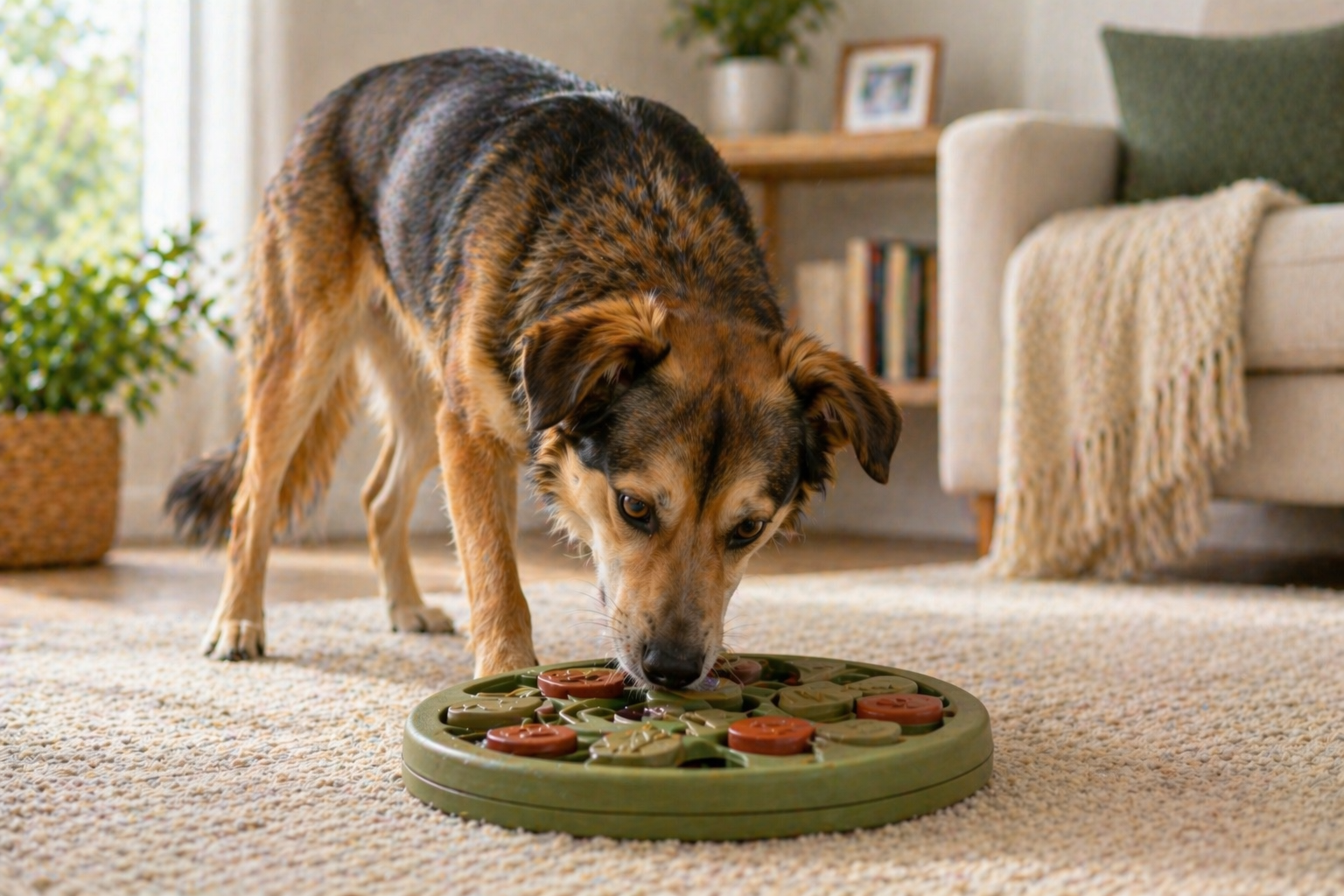
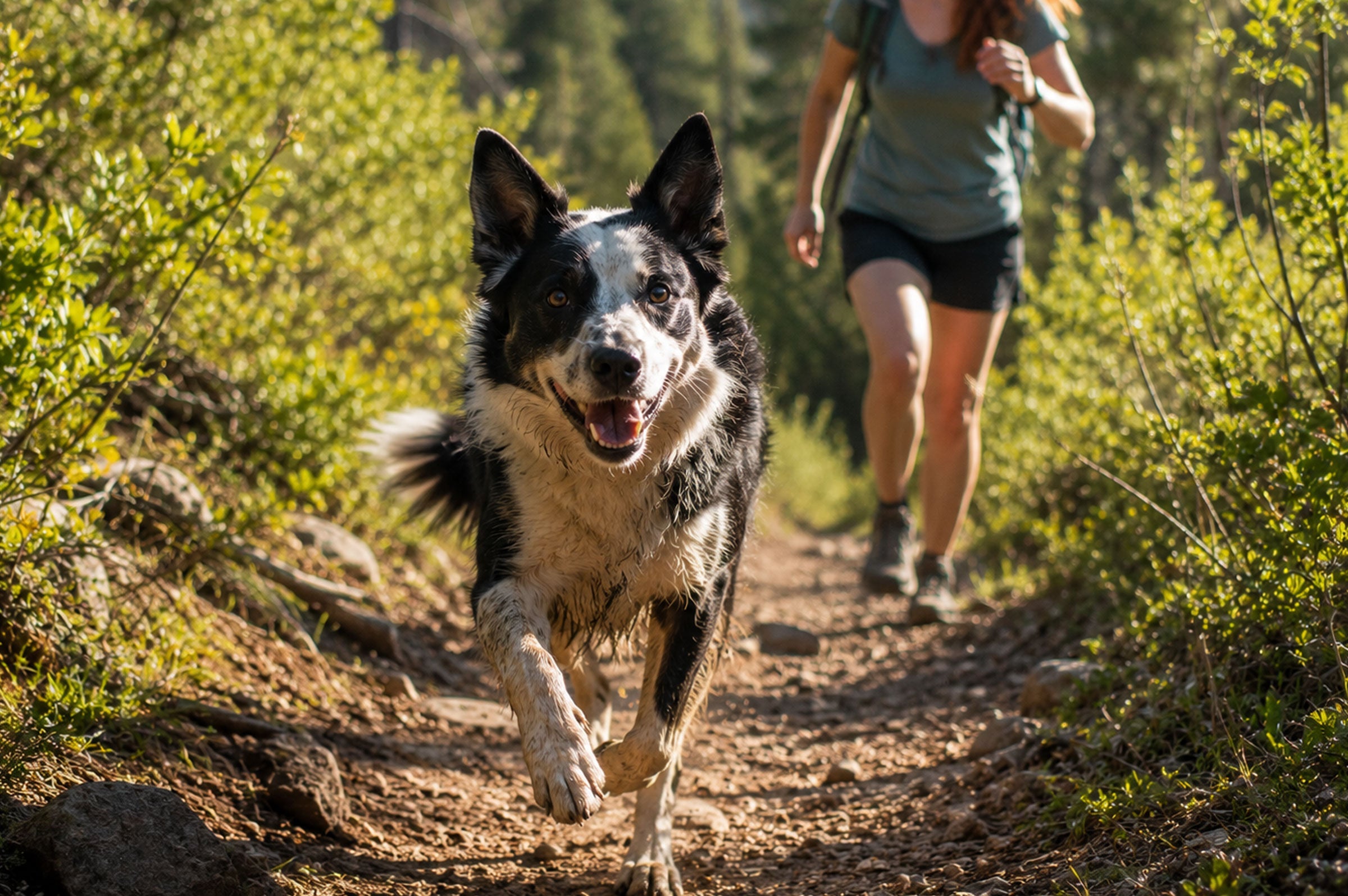
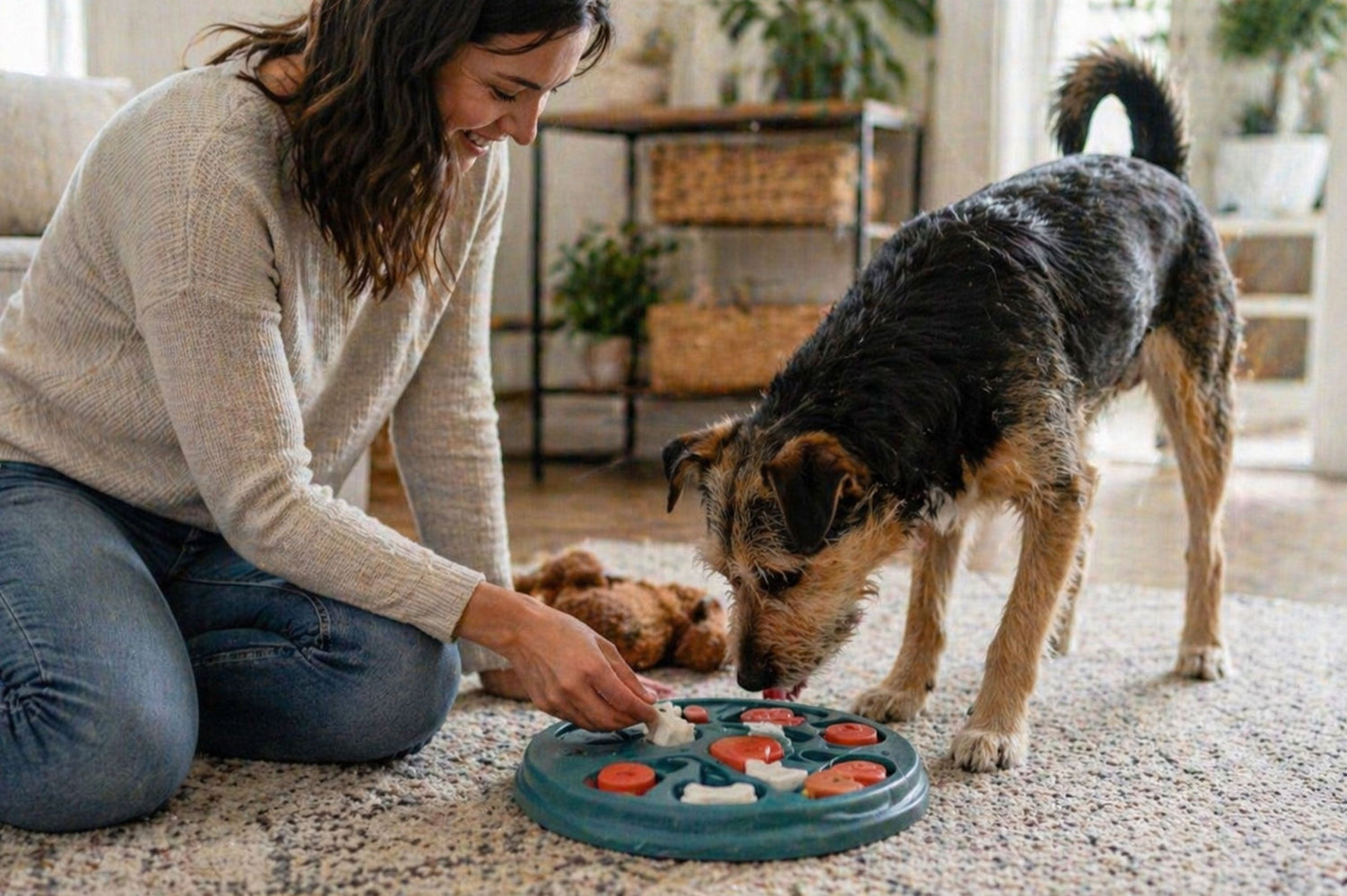
Daily movement and exercise support both physical and mental health. Walks, play sessions, and structured activity improve cardiovascular strength and joint flexibility. Pairing movement with mental stimulation, such as training or puzzle games, also helps maintain focus and supports long-term cognitive function.
How Does Nutrition Support a Healthy Routine?
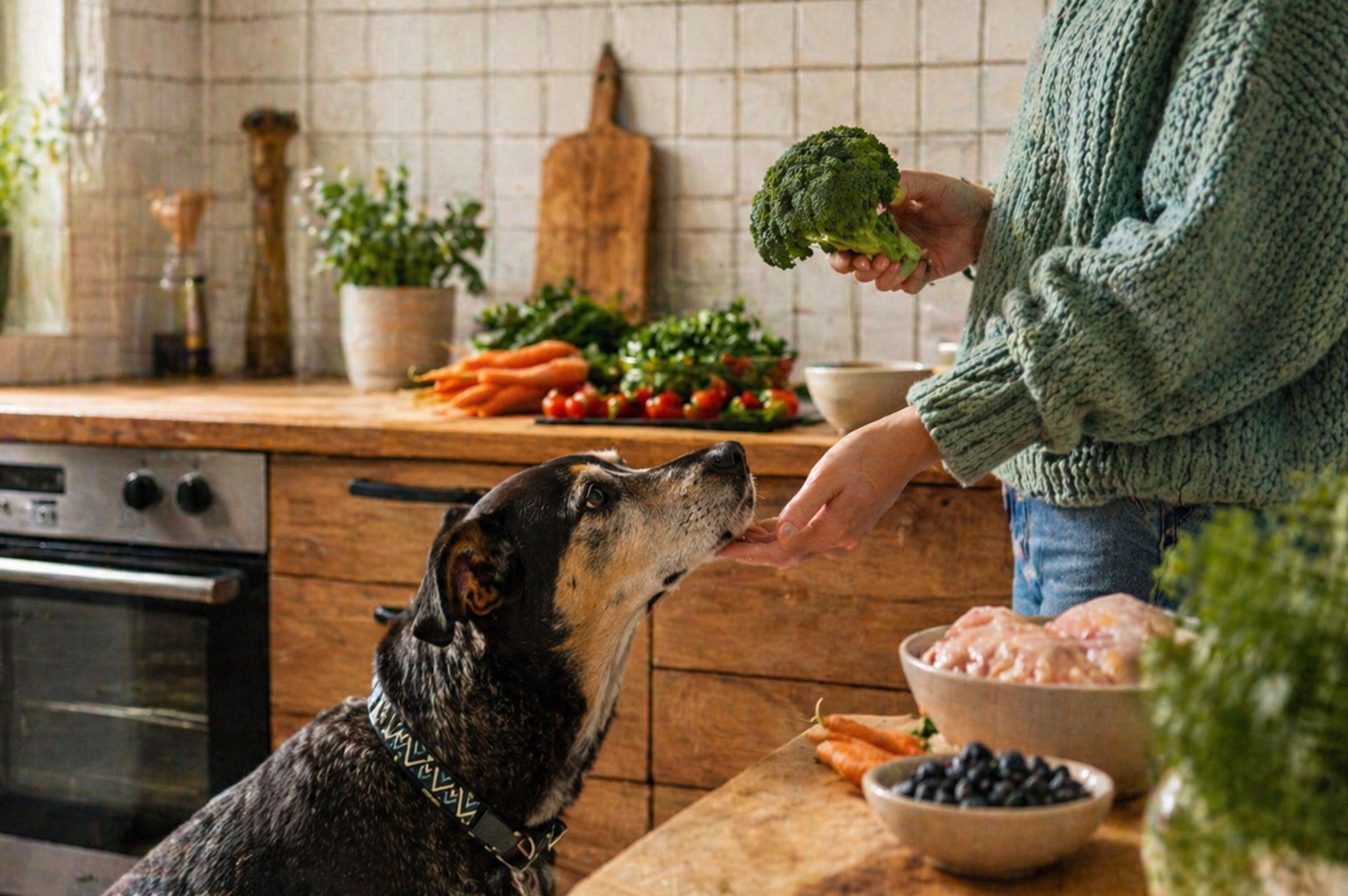
Proper nutrition shapes how your dog feels each day and how they age over time. High-quality protein supports muscle maintenance, while omega-3 fatty acids help manage inflammation and support joint and brain health. Antioxidants from foods like blueberries and leafy greens help protect cells from damage.
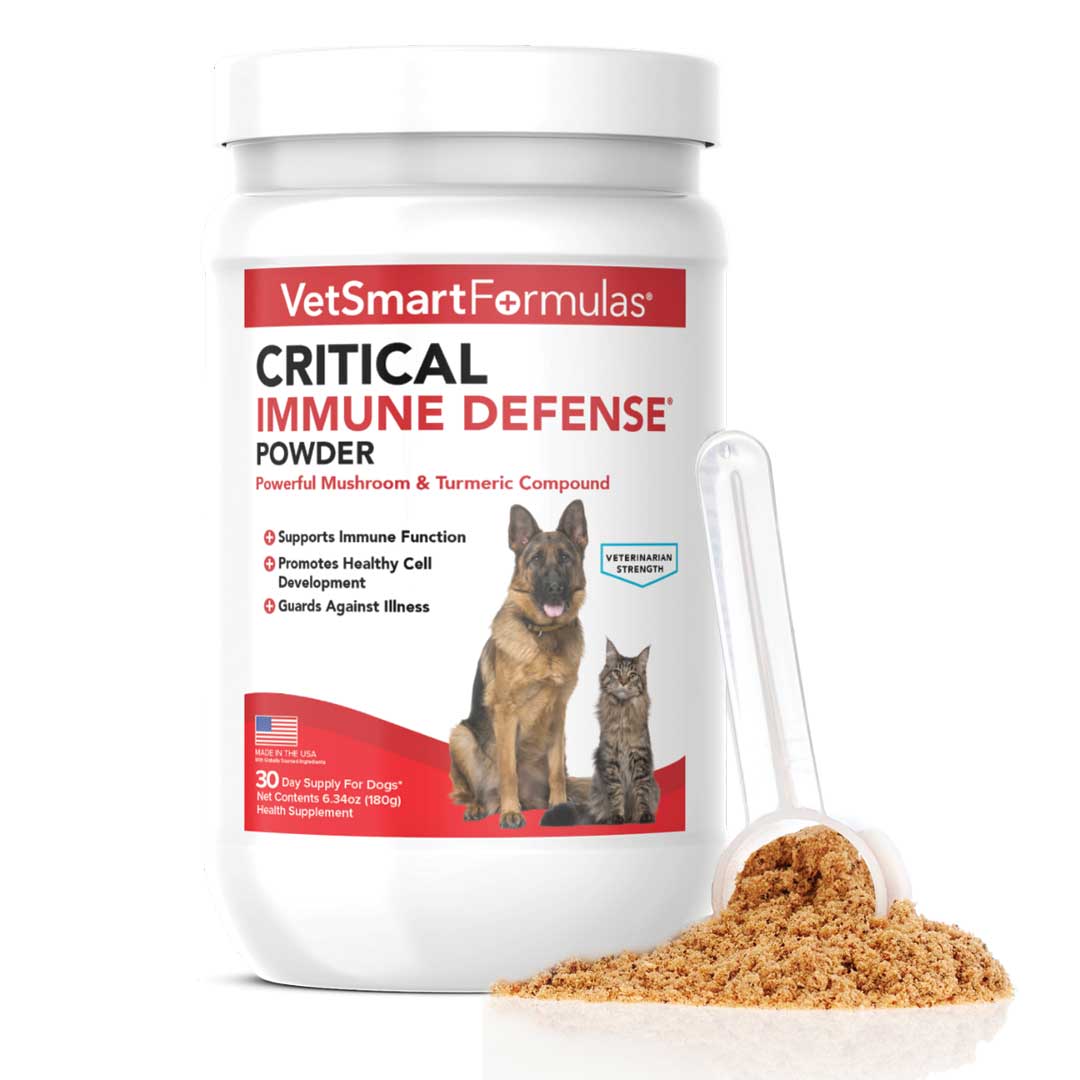
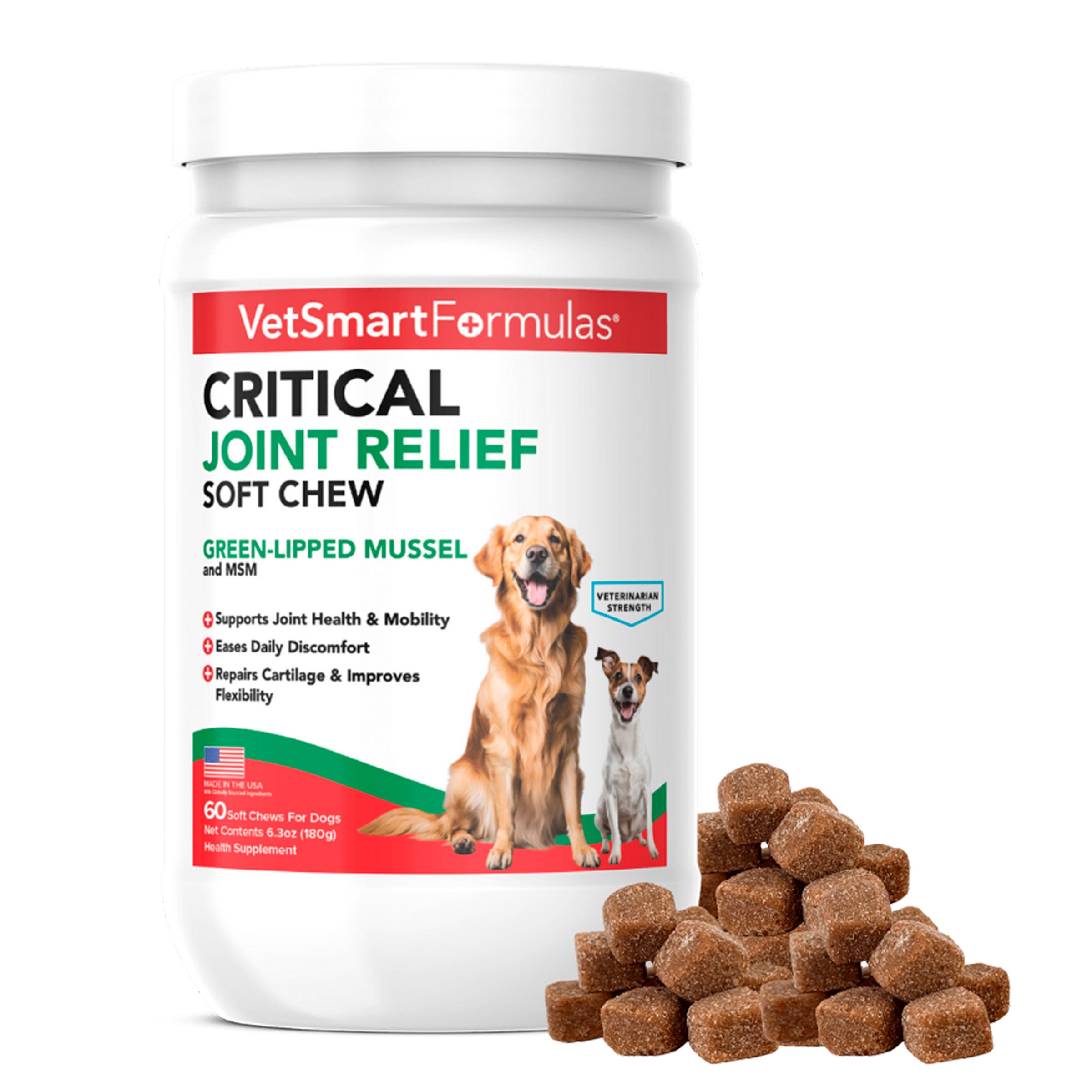
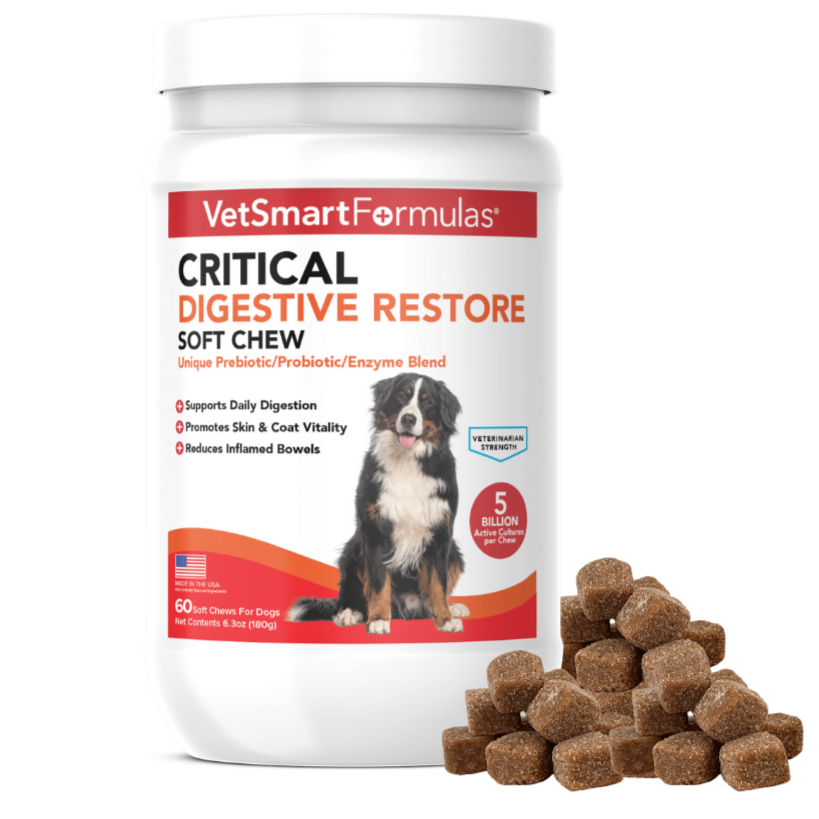
Digestive health also influences long-term wellness. Fiber sources such as pumpkin or sweet potatoes support gut balance and nutrient absorption. Consistent feeding times, nutrient-dense meals, and high-quality supplements help stabilize digestion and energy levels throughout the day.
Why Do Exercise and Mental Stimulation Matter So Much?
Dogs need more than basic walks to stay healthy. Structured activity combined with mental engagement supports both body and brain. Research shows that inactive dogs face a significantly higher risk of cognitive decline, while regular exercise improves behavior, reduces anxiety, and supports overall quality of life.
Activities such as sniff walks, training sessions, and interactive play challenge your dog’s mind while supporting physical health. This balance helps maintain mobility, reduces stress, and keeps your dog engaged with their environment.
How Do Rest and Routine Improve Your Dog’s Well-Being?
Dogs benefit from predictable routines that include consistent times for meals, activity, and sleep. This structure reduces stress and helps your dog feel secure.
Adequate rest also supports brain function. Sleep helps with memory and learning, while a calm environment reduces reactivity and behavioral issues. A balanced routine that includes both activity and downtime helps maintain steady energy and focus.
Why Is Preventive Care Essential in a Daily Routine?
Preventative care helps you stay ahead of potential health issues. Regular veterinary visits, vaccinations, and parasite prevention reduce the risk of disease and improve long-term outcomes. Dogs that receive consistent preventative care show lower rates of chronic illness and better overall health.
Daily observation also plays a key role. Checking your dog’s coat, eyes, ears, and behavior helps you catch small changes early. This proactive approach allows you to address issues before they affect your dog’s comfort or quality of life.
How Do Social Connection and Environment Affect Health?
Dogs thrive on interaction and stability. Regular time with people and other dogs supports emotional health and reduces stress. Social engagement contributes to better behavior and improved long-term health outcomes.
A stable environment also supports well-being. Predictable routines, a comfortable resting space, and a low-stress home environment help your dog feel secure. These factors influence both emotional balance and physical health over time.
What Does a Typical Healthy Dog's Daily Routine Look Like?
So, putting it all together, start the day with a portion-controlled, nutrient-dense meal paired with fresh water. Then, follow it up with a morning walk or light activity to support mobility and energy. Midday can include enrichment such as a puzzle toy, a short training session, or a scent game to keep your dog mentally engaged.
In the afternoon or evening, include another walk, play session, or low-impact exercise to maintain strength and flexibility. If you travel to a dog park or a local trail, remember to use proper restraints in the car. After, provide a balanced meal and some quiet time to rest and recover.
End the day with a calm routine that may include brushing, bonding time, or a quick wellness check to monitor any changes in behavior or condition. Provide a comfortable resting space to reduce environmental stressors and help protect your dog’s well-being.
Can You Improve Your Dog’s Health By Establishing a Routine?
Yes, a daily routine that focuses on consistent daily habits, balanced nutrition, and early intervention can support your dog’s health span right away! These small actions build over time and help protect mobility, cognitive function, and overall vitality for more healthy years by your side.
Pet Wellness Direct continues to develop advanced solutions, including our latest product that’s coming soon! Critical Longevity Protect is designed to support healthy aging at the cellular level. With a higher ratio of active ingredients compared to most alternatives, it will deliver more support per dose for faster and more noticeable results.