Feeding a dog with cancer can feel confusing, especially with so many conflicting opinions online. Some sources promote extreme diets, while others recommend cutting out entire food groups. These mixed messages often leave pet owners unsure of what actually supports their dog’s health.
A thoughtful, balanced approach to nutrition helps your dog maintain strength, energy, and comfort during treatment. Understanding what matters most in a cancer-supportive diet can help you make confident, informed choices that truly benefit your dog. Pet owners should always discuss their dog’s nutrition and food with their vet or a qualified health professional during cancer treatment.
What Nutrients Matter Most for Dogs With Cancer?
Dogs with cancer need a specialized diet that supports muscle maintenance, energy, and overall resilience. High-quality, lean protein sources, such as chicken, turkey, fish, and eggs, provide essential amino acids that help maintain muscle mass and support tissue repair.
Cancer cells have a harder time using fat for fuel. So, fat can be a valuable energy source for your dog. Omega-3 fatty acids, found in fish oil and similar sources, may help reduce inflammation and support overall wellness during treatment.
Why Does Digestibility Matter So Much During Treatment?
Cancer and its treatments can disrupt digestion, making it harder for your dog to absorb nutrients. Highly digestible foods help ensure your dog receives the nutrition they need without placing extra stress on the digestive system.
Gently cooked homemade meals or high-quality commercial diets often provide better nutrient availability than heavily processed foods. When digestion improves, your dog can better maintain energy levels and benefits from from improved immune function and comfort free of gastrointestinal upset.
Should You Remove All Carbohydrates From Your Dog’s Diet?
Many people believe that cutting out all carbohydrates will “starve” cancer cells. While reducing simple sugars may be helpful, eliminating carbohydrates entirely is neither practical nor necessary.
Dogs still need a balance of nutrients. And that includes complex carbohydrates that provide vitamins and fiber. So, rather than removing all carbohydrates from the diet, focus on limiting high-sugar and high-starch foods.
Are Raw or Grain-Free Diets Better for Dogs With Cancer?
Raw diets often get attention for their perceived health benefits, but they carry significant risks for dogs with cancer. Bacteria such as Salmonella or E. coli can cause serious infections, especially when the immune system is under stress.
Grain-free diets also do not guarantee better outcomes. Many pet owners replace grains with other high-carbohydrate ingredients, which can create similar nutritional challenges. So, the safer and more effective option remains providing a well-balanced, high-quality diet rather than following trends.
How Can You Help Maintain Weight and Strength?
Weight loss presents one of the biggest challenges for dogs with cancer. Muscle loss, known as cachexia, can occur quickly and affect strength and recovery. Providing calorie-dense meals with high protein and healthy fats helps maintain body condition.
Also, feeding smaller, more frequent meals may improve intake when appetite decreases. The goal remains simple: ensure your dog eats enough high-quality food to maintain weight, energy, and comfort throughout their treatment.

When Should You Consider Supplements for Nutritional Support?
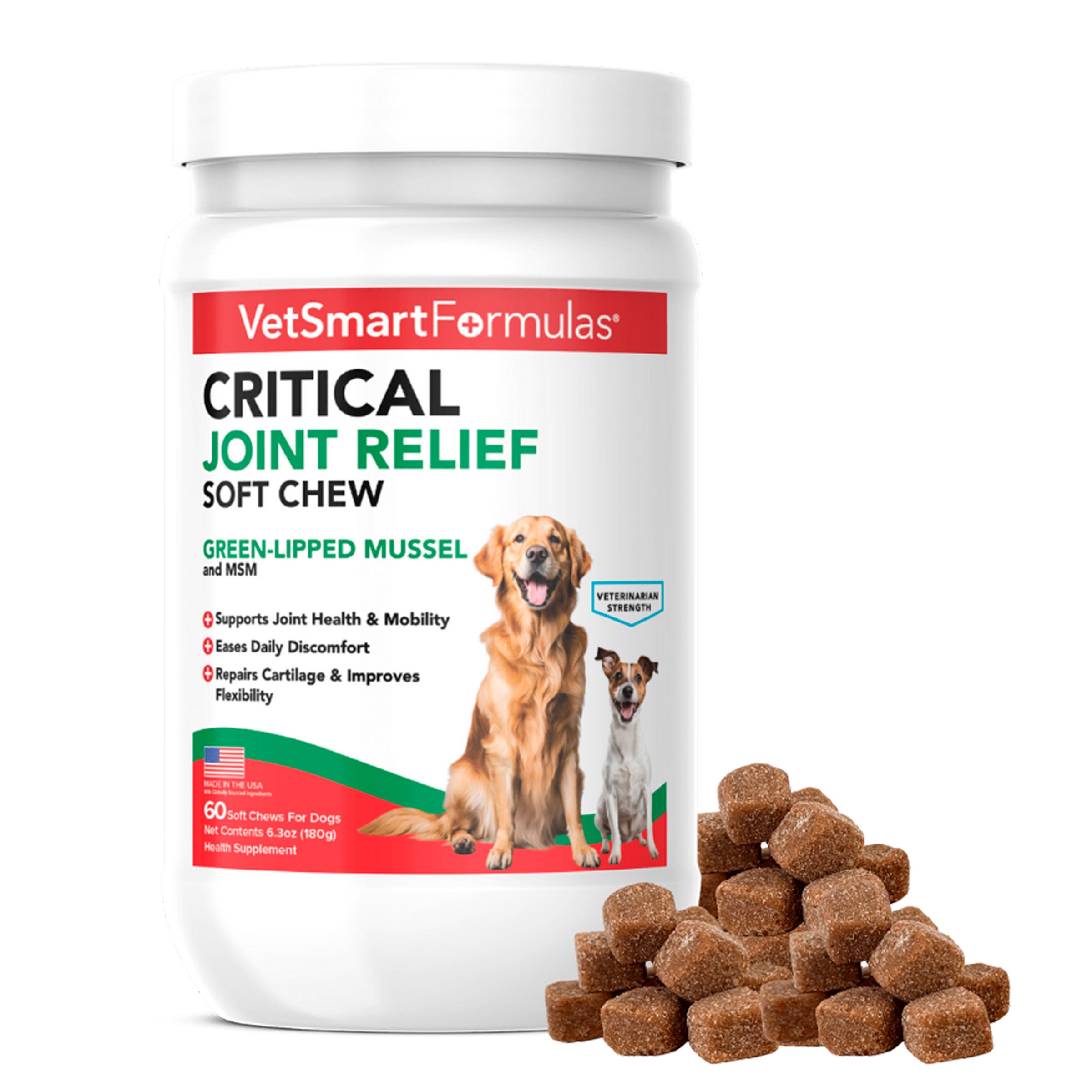
Supplements provide a holistic approach to supporting wellness during cancer treatment. They can help fill nutritional gaps, especially when appetite decreases or digestion becomes inconsistent. Omega-3 fatty acids control inflammation, while probiotics help maintain gut balance and support immune function.
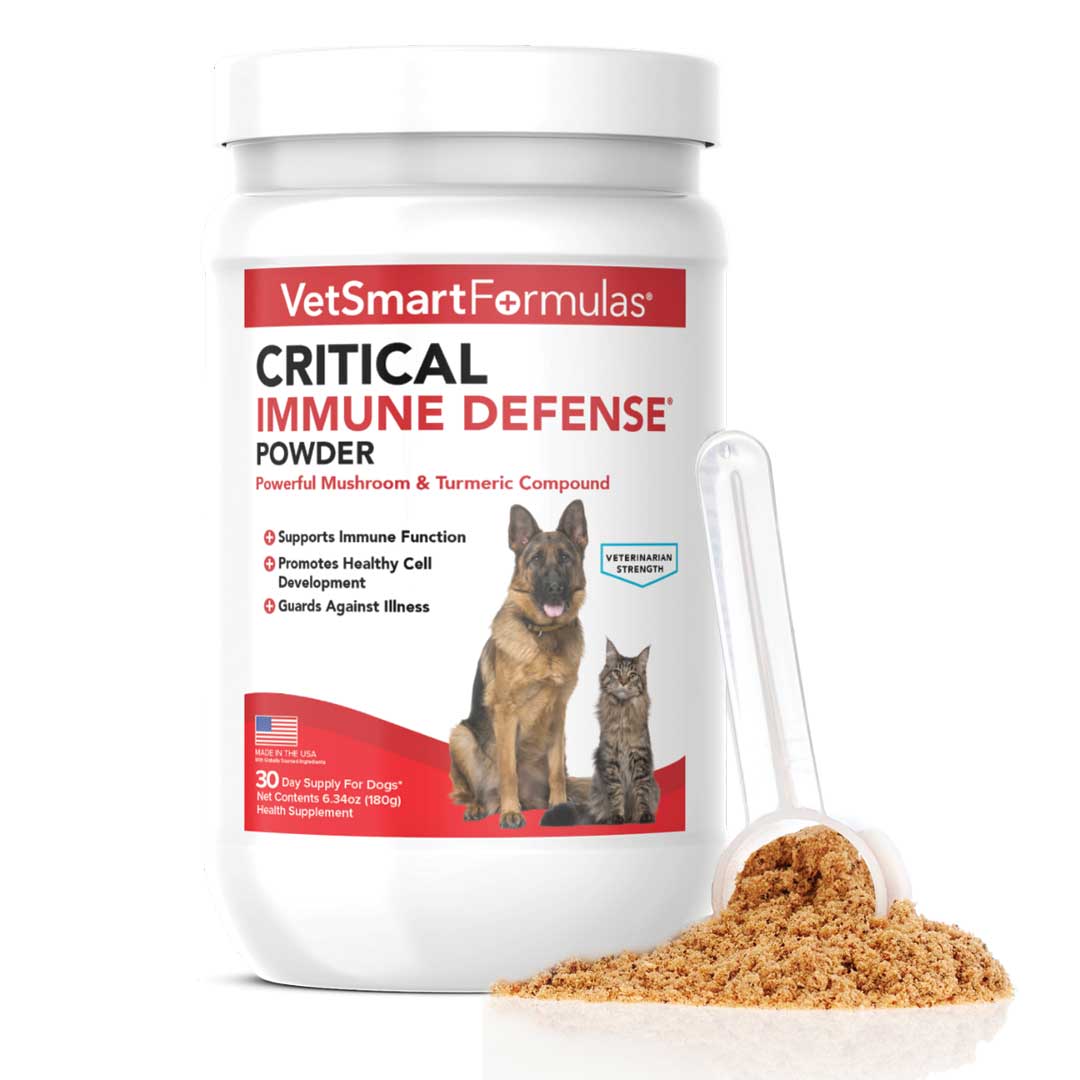
Medicinal mushrooms and antioxidants can provide additional support. Always seek guidance from your veterinarian. Some supplements can interfere with treatment if used incorrectly. So, professional input ensures safe and effective use.
Can the Right Nutrition Improve Your Dog’s Quality of Life?
A balanced, nutrient-dense diet can help your dog stay stronger, more comfortable, and better supported during cancer treatment. By focusing on protein, healthy fats, digestibility, and consistent intake, you can support your dog’s daily well-being and resilience.
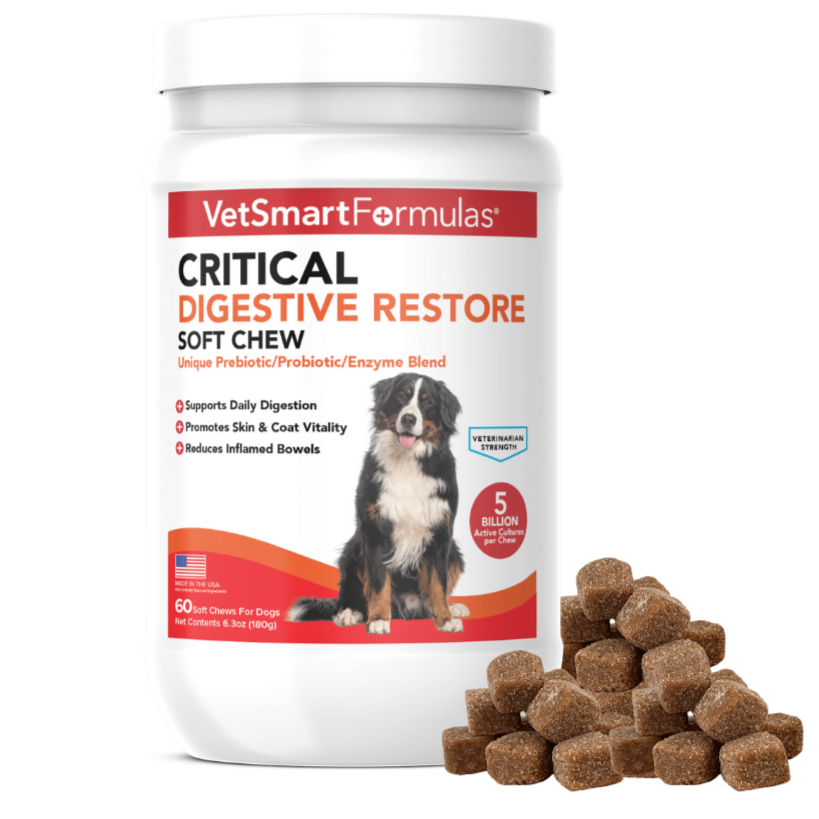
For added digestive and immune support, VetSmart Formulas Critical Digestive Restore for Dogs provides a higher inclusion rate of active ingredients, delivering more beneficial compounds per dose than many alternatives. This targeted support helps maintain gut balance, improve nutrient absorption, and support overall wellness when your dog needs it most.