Every dog owner wants more time with their pet. But longevity means more than just adding years. What truly matters is how your dog feels during those years. Energy, mobility, mental sharpness, and overall comfort define a healthy life far more than age alone.
Fortunately, daily choices can influence how your dog ages. Simple habits, consistent care, and the right nutrition can help your dog stay active, engaged, and healthy for longer.
What Has the Biggest Impact on Your Dog’s Lifespan?
Body weight impacts longevity more than any other factor. Keeping your dog trim supports mobility, energy, and long-term health. Dogs that maintain a lean, healthy weight often live longer and experience fewer chronic conditions.
Extra weight places stress on joints, increases inflammation, and raises the risk of disease. Prevent unnecessary calories that lead to weight gain by limiting extra treats. Also, portion control by measuring meals rather than relying on estimations significantly prevents gradual weight gain over time.
How Does Daily Activity Support a Longer Life?
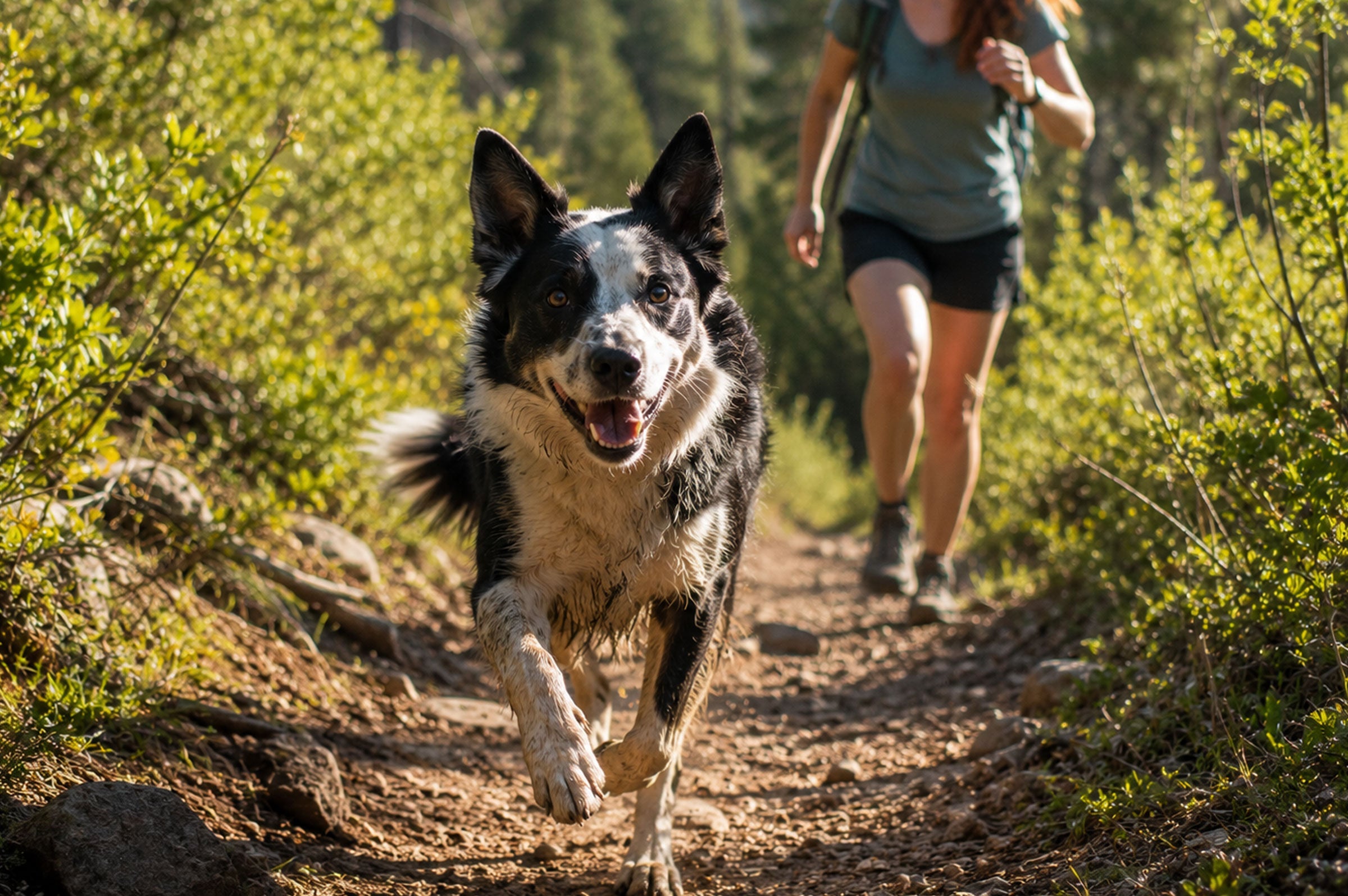
Regular exercise strengthens your dog’s body and supports long-term health. Daily movement improves cardiovascular function, keeps joints flexible, and helps maintain a healthy weight. Dogs that stay active tend to show better mobility and endurance as they age.
Mental stimulation matters just as much. Training sessions, puzzle toys, and interactive play keep your dog engaged and support cognitive function. Research shows that dogs with limited activity face a significantly higher risk of cognitive decline.
Why Does Preventive Care Make Such a Difference?
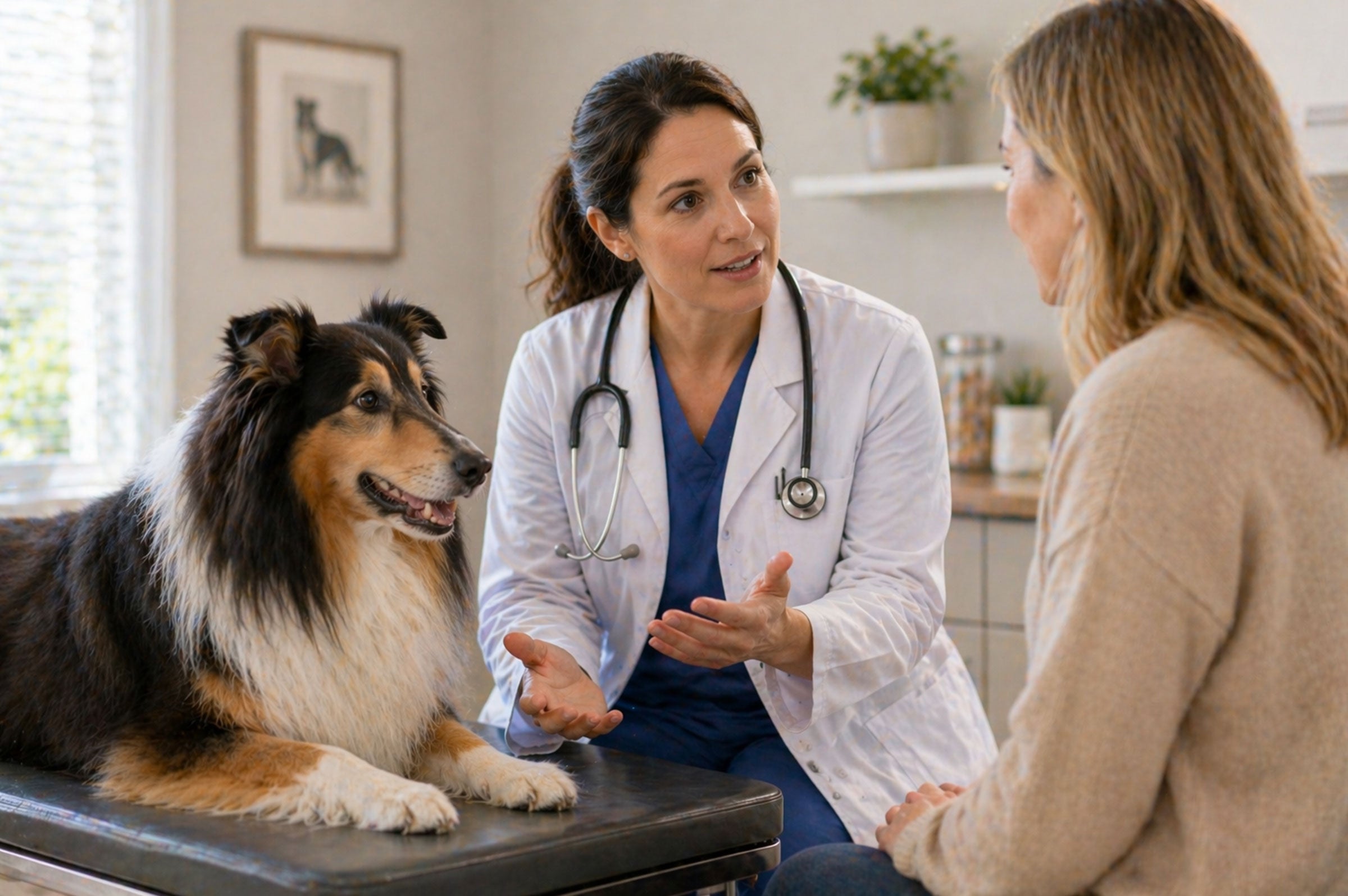
Routine veterinary care helps identify health issues before they become serious. Regular check-ups, screenings, and dental care can catch early signs of conditions like heart disease, diabetes, or cancer. Early detection often leads to better outcomes and more treatment options.
Dental health also deserves close attention. Poor oral hygiene can lead to infections that affect the heart, kidneys, and digestive system. Daily brushing and routine cleanings help protect overall health and reduce long-term risks.
How Does Nutrition Support Long-Term Health?
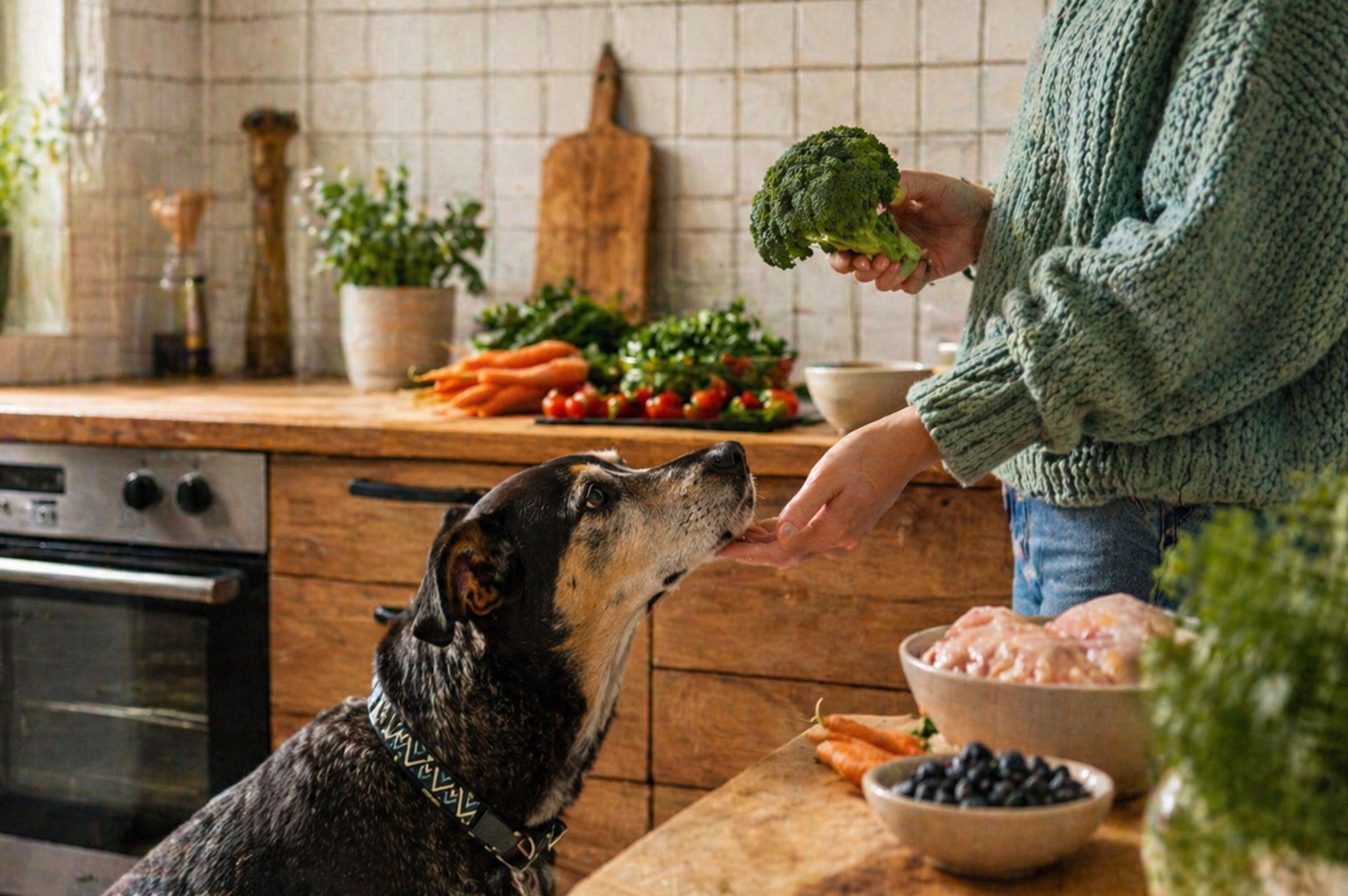
A nutrient-dense diet supports every system in your dog’s body and builds a strong foundation for healthy aging. High-quality protein helps maintain muscle mass, while omega-3 fatty acids support joint health, brain function, and inflammation control. Antioxidants, especially from foods like blueberries and leafy greens, help protect cells from damage.
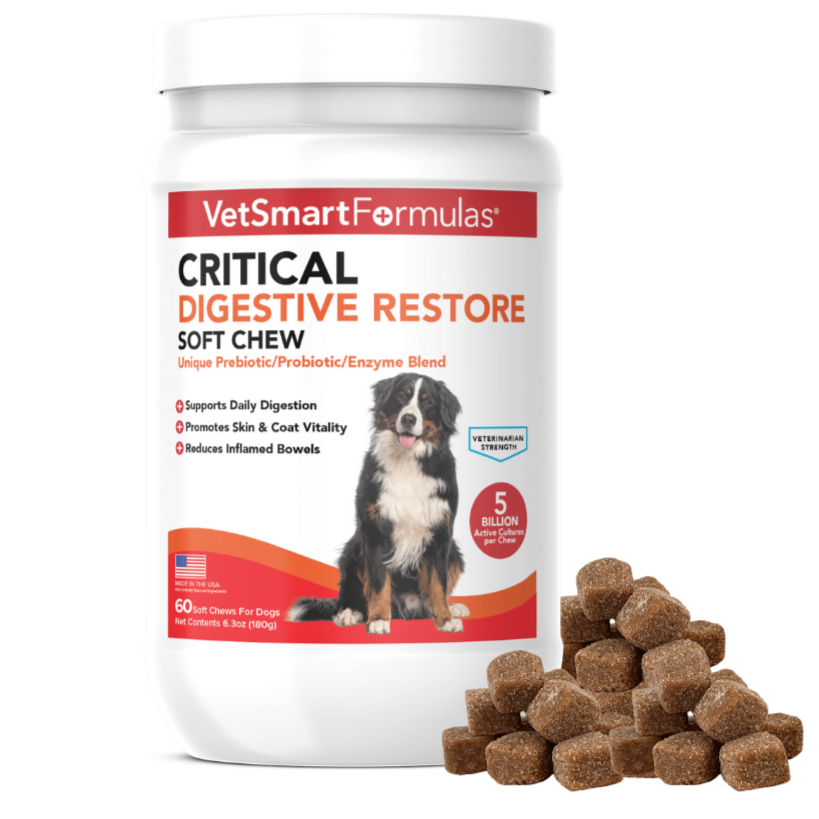
Digestive health also supports long-term wellness. Fiber-rich foods and balanced nutrition help maintain gut health, which supports immune function and nutrient absorption.
Can Social and Emotional Health Affect Longevity?
Dogs thrive on connection and routine. Strong social interaction, whether with people or other dogs, supports emotional well-being and reduces stress. Studies show that dogs with consistent social engagement tend to experience fewer health issues over time.
A stable environment also supports long-term health. Predictable routines for feeding, exercise, and rest help reduce anxiety and create a sense of security. Time spent bonding with your dog strengthens both emotional health and overall well-being.
What Daily Habits Help Your Dog Stay Healthier for Longer?
Consistent daily habits create lasting results. Providing fresh water, feeding balanced meals, maintaining regular exercise, and monitoring your dog’s condition help support long-term health. Simple routines make it easier to notice changes early and respond quickly.
Small actions add up over time. Checking for changes in behavior, weight, or physical condition each week can help you catch potential issues before they progress. A proactive approach helps your dog stay comfortable and active throughout life.

Can You Improve Your Dog’s Health Span Starting Today?
Yes, you can support your dog’s health span right away! Consistent care, proper nutrition, and early intervention help protect mobility, brain function, and overall vitality as your dog ages. As a result, your dog will maintain strength, clarity, and comfort for more healthy years by your side
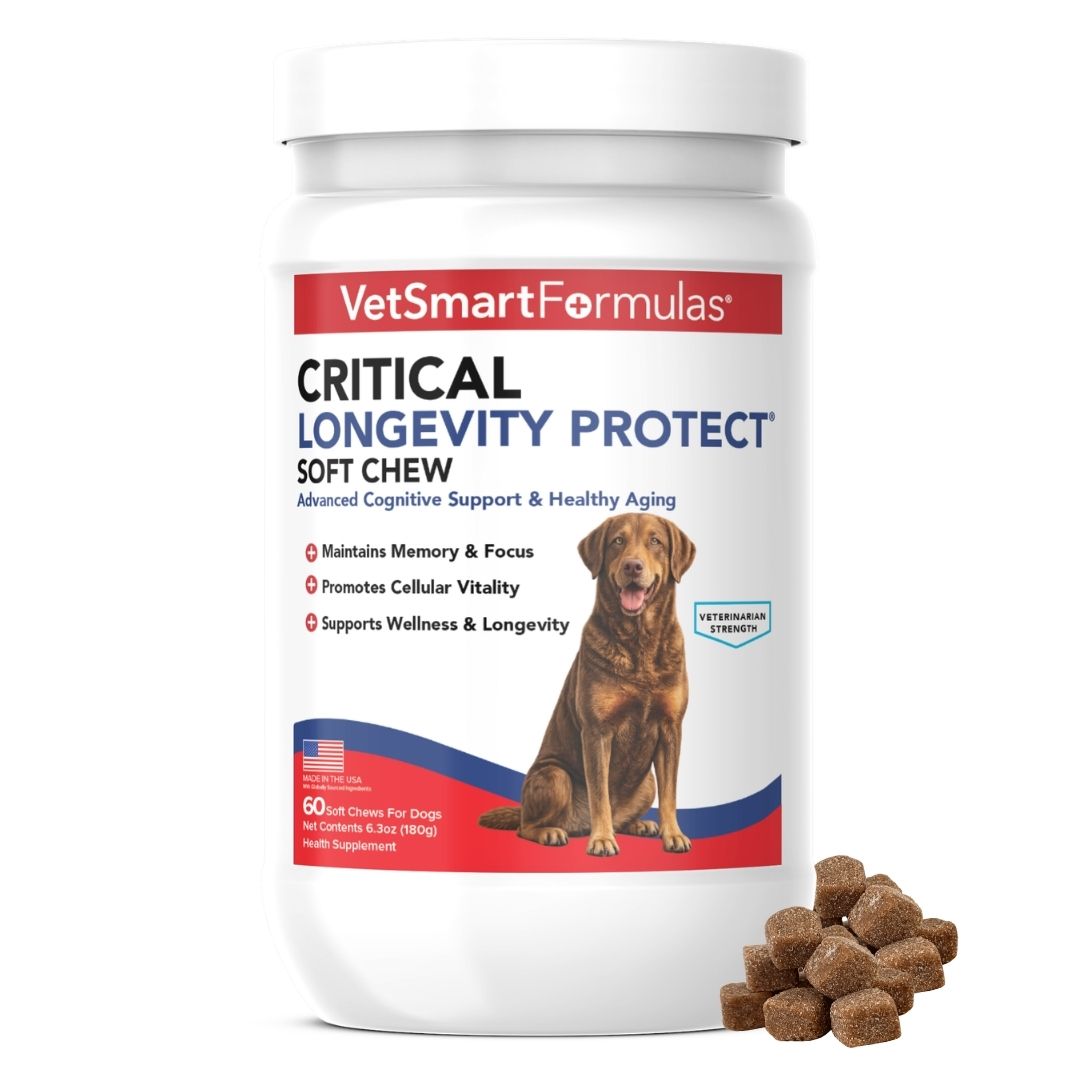
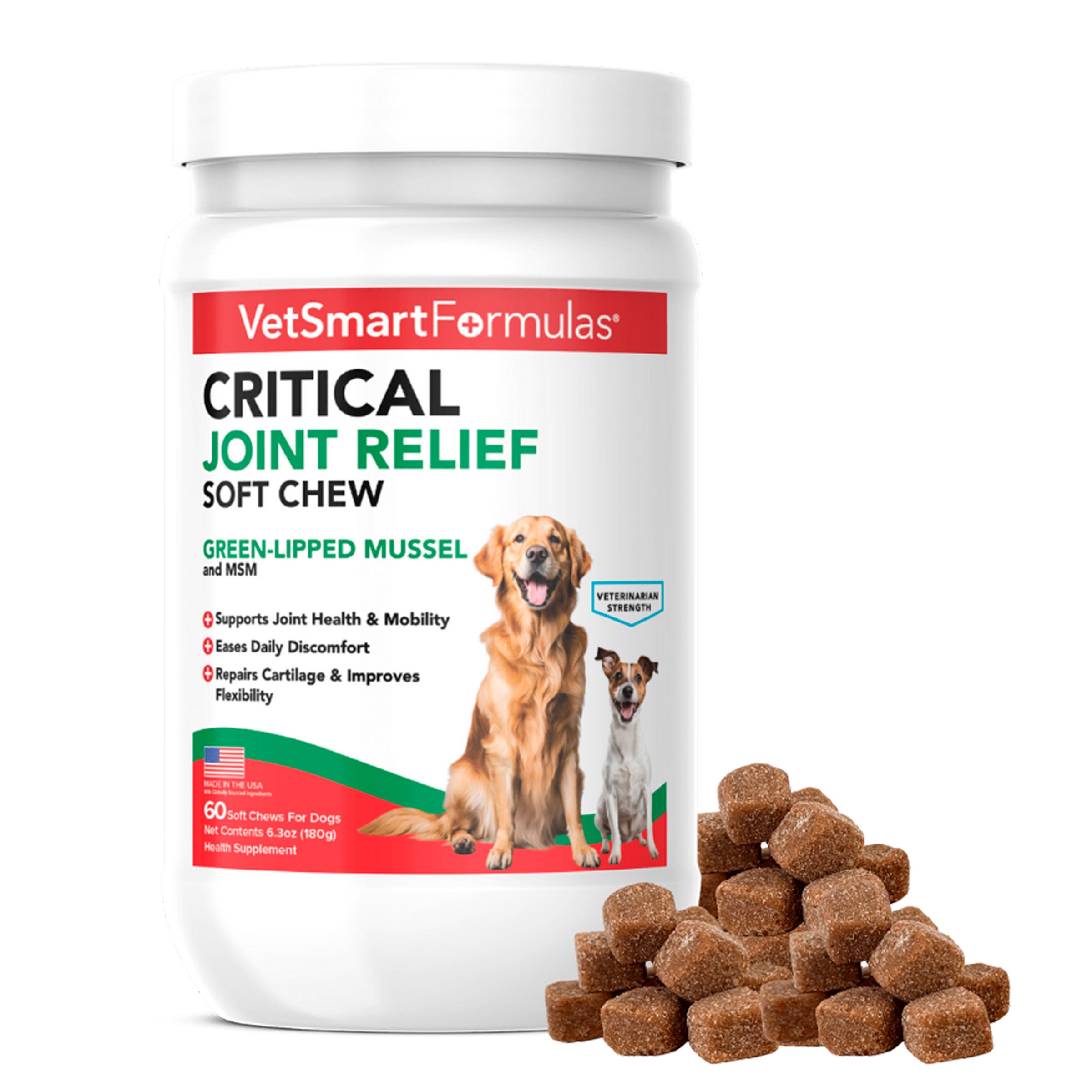
Pet Wellness Direct provides high-quality, highly effective supplements that support longevity. As we continue to develop advanced solutions for promoting your dog’s health, we will soon offer Critical Longevity Protect. This premium formula encourages healthy aging at the cellular level.