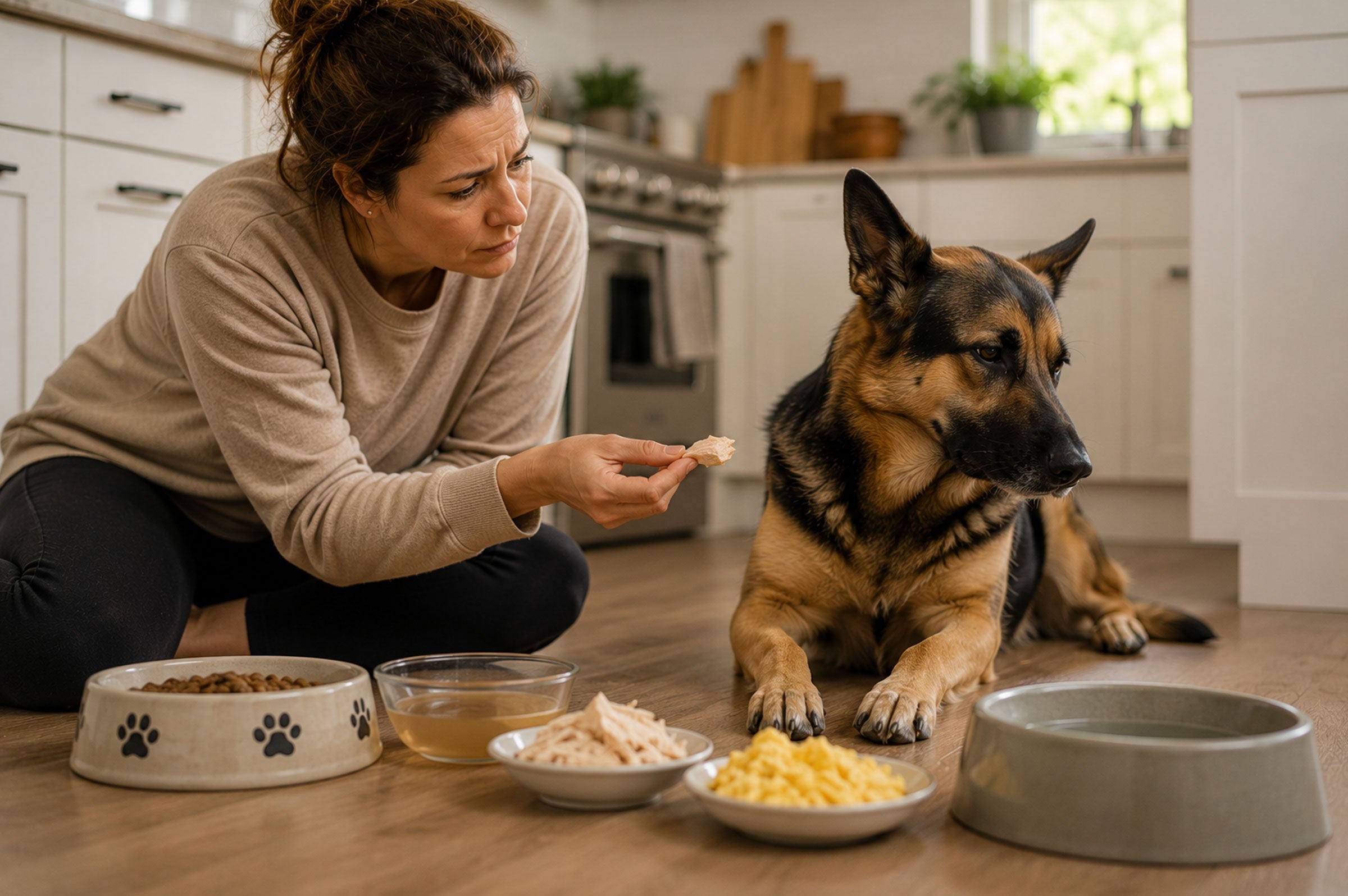
Pet owners noticing subtle changes in their dog’s behavior, such as pausing in familiar rooms, forgetting routines, and restless sleeping, may attribute these behaviors to “brain fog” and “old age” in their senior dogs. However, these changes often signal a more serious issue. As dogs grow older, their brains naturally undergo structural changes that can affect how well nerve cells communicate.
One of the most researched ingredients for cognitive support, Phosphatidylserine (PS), helps support the aging brain by working at the cellular level to maintain healthy, flexible membranes. It preserves and repairs the pathways that support brain communication, which may in turn aid memory, learning, and day-to-day responsiveness.
What Is Phosphatidylserine?
As a natural phospholipid, phosphatidylserine is found in high concentrations within brain cell membranes. These membranes surround and protect neurons while controlling how signals move throughout the brain.
Think of the brain as a network of constantly moving messages. Brain cells send signals that control memory, learning, recognition, and responsiveness. Phosphatidylserine supports the structure and flexibility of these brain cells, so communication stays smoother and more efficient.
Why Does Brain Cell Communication Decline With Age?
With age, the membranes surrounding brain cells become more rigid and less efficient. This stiffness interferes with how signals move between neurons. Messages can slow down, become weaker, or fail to reach their destination altogether.
These communication breakdowns contribute to many common signs of cognitive decline. Dogs may appear confused, get stuck behind furniture, forget routines, or show less interest in interaction. Sleep disruption, pacing at night, and delayed responsiveness can also reflect declining communication between brain cells.
How Does Phosphatidylserine Support Memory and Learning?
Phosphatidylserine supports the neurotransmitters involved in memory and learning. These brain chemicals include acetylcholine and dopamine. Acetylcholine supports learning and memory formation, while dopamine influences motivation, awareness, and engagement.
Healthy neurotransmitter function improves how dogs process information and respond to their environment. This support may improve recognition, responsiveness, and mental clarity during aging. Some studies involving aged beagles found improved short-term memory performance in dogs receiving phosphatidylserine-containing cognitive support formulas.
Which Signs Suggest Your Dog May Need Cognitive Support?
Most early signs and symptoms appear gradually and can easily go unnoticed at first. Dogs may seem disoriented in familiar spaces or stare blankly at walls. Some pace at night, sleep more during the day, or lose interest in favorite activities.
Neurological changes can also affect emotional well-being. Some dogs become more withdrawn, anxious, or irritable because the world feels less predictable to them. Recognizing these changes early creates opportunities to support cognitive health before the confusion and disorientation become more severe.
Why Does Consistency Matter With Cognitive Support?
Brain-supporting nutrients work best when used consistently over time. Phosphatidylserine supports cellular structure gradually rather than acting like a stimulant. Most pet owners notice subtle improvements over several weeks rather than overnight changes.
Daily routines also support cognitive function. Gentle walks, puzzle toys, scent games, and predictable schedules reduce stress and keep the brain engaged. Consistency creates structure and comfort for aging dogs while reinforcing healthy neurological activity.
How Can You Choose a High-Quality Cognitive Supplement?
Not all cognitive supplements deliver the same level of support. High-quality products combine phosphatidylserine with complementary nutrients such as antioxidants, B vitamins, circulation-support ingredients, and omega-rich compounds. These ingredients support brain health from multiple angles rather than relying on a single ingredient alone.
Ingredient quality and formulation also matter. Third-party testing, transparent sourcing, and appropriate dosing help ensure safety and effectiveness. Products with higher inclusion rates of active ingredients, such as VetSmart Formulas, often deliver more noticeable support because they contain more beneficial compounds per dose.
Can Brain Support Improve Your Dog’s Quality of Life?
Supporting cognitive health can improve more than memory alone. Better brain communication may support confidence, emotional balance, responsiveness, and daily engagement. Small improvements, such as sleeping more peacefully or recognizing familiar routines more easily, can significantly improve the quality of life for both dogs and owners.

All of our Pet Wellness Direct products, such as Critical Immune Defense for Dogs & Cats, support healthspan and longevity. Our latest product, still in development, Critical Longevity Protect, includes an optimal amount of phosphatidylserine in its advanced healthy-aging formula. By supporting brain health, cellular communication, and cognitive function early, this formula will help dogs stay mentally engaged, responsive, and connected throughout aging.