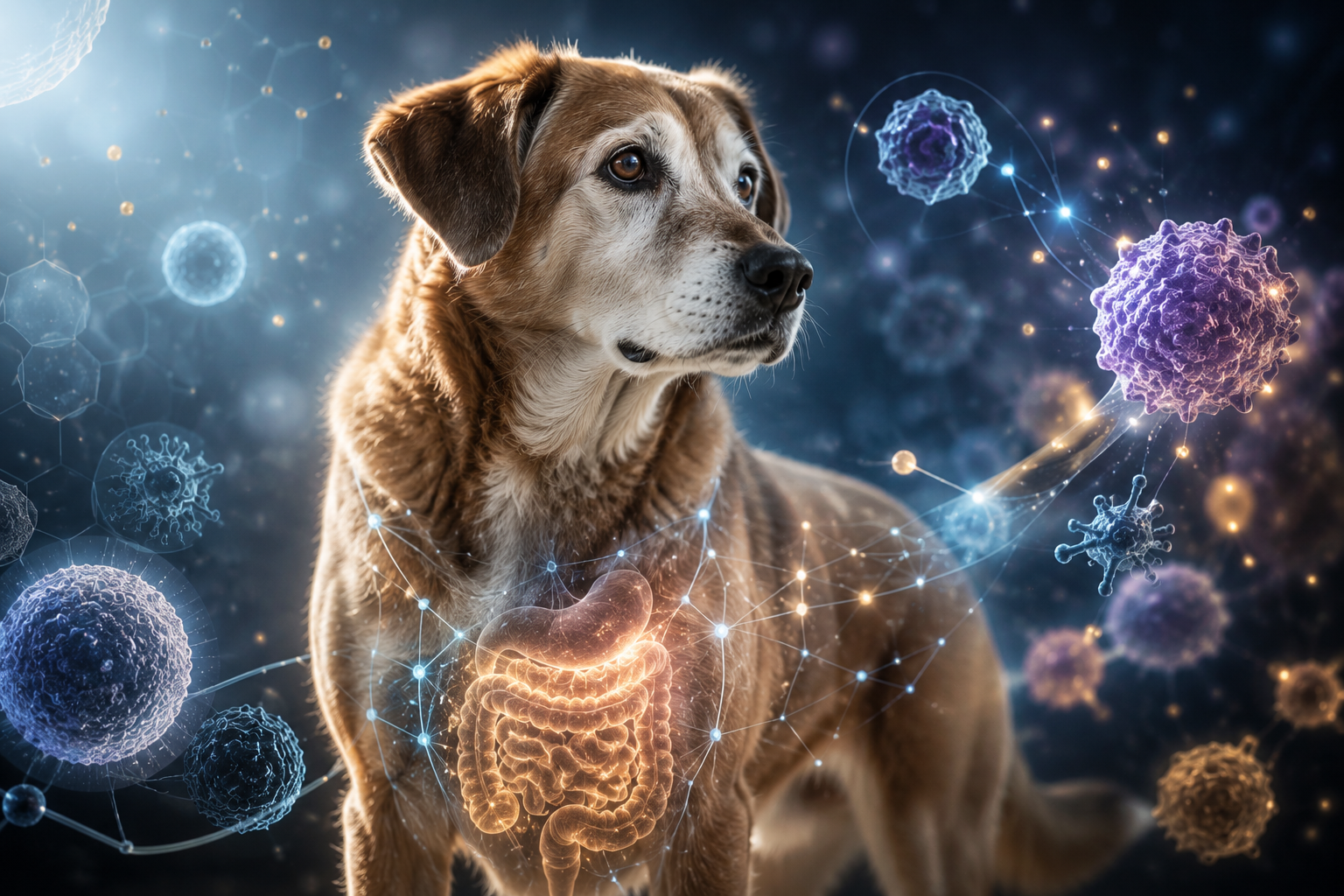
Many pet owners think about gut health only when their dog develops diarrhea, vomiting, or digestive upset. However, changes in the gut’s microbiome can affect immune strength, inflammation levels, and stress responses. It can also impact how your dog’s body defends itself against disease.
Learning the daily routine to follow to promote your dog’s gut health will result in gradually strengthening your dog’s overall health from the inside out. Over the long term, small changes can add up to big improvements in your dog’s resilience and immune system vitality.
Why Does the Gut Have Such a Strong Impact on Immunity?
Around 70% to 90% of your dog’s immune system resides within the gastrointestinal tract. The gut microbiome, which contains trillions of microorganisms, helps train and regulate immune responses throughout the body.
When harmful bacteria overgrow, the body’s natural defenses weaken. Chronic inflammation may increase, nutrient absorption can decline, and the immune system may struggle to respond effectively. Research now shows that gut health may also influence how well dogs respond to cancer therapies.
However, beneficial bacteria help immune cells distinguish between harmful pathogens and harmless substances. These microbes also support the intestinal barrier, which prevents toxins and dangerous organisms from entering the bloodstream. A balanced microbiome enables the immune system to respond more effectively and maintain healthier inflammatory control.
How Does the Microbiome Help Defend Against Cancer?
A healthy microbiome supports the body’s ability to identify and destroy abnormal cells before they multiply. This process, known as immunosurveillance, helps the immune system recognize and respond to mutated cells that may develop into tumors.
On the other hand, gut imbalance, also called dysbiosis, can interfere with this defense system. Harmful bacteria may trigger chronic inflammation and produce compounds that damage cellular DNA.
Research from Oregon State University shows just how strongly the microbiome affects immune responses. It found that specific gut bacteria directly influenced survival outcomes in dogs receiving cancer immunotherapy,
Why Does Chronic Inflammation Matter So Much?
Chronic inflammation creates ongoing stress throughout the body. Over time, this inflammatory environment can damage your dog’s healthy tissue, weaken immune regulation, and contribute to disease development.
When beneficial bacteria decline, inflammation can increase. The microbiome helps regulate inflammatory responses through short-chain fatty acids (SCFAs), which nourish the gut lining and support immune balance.
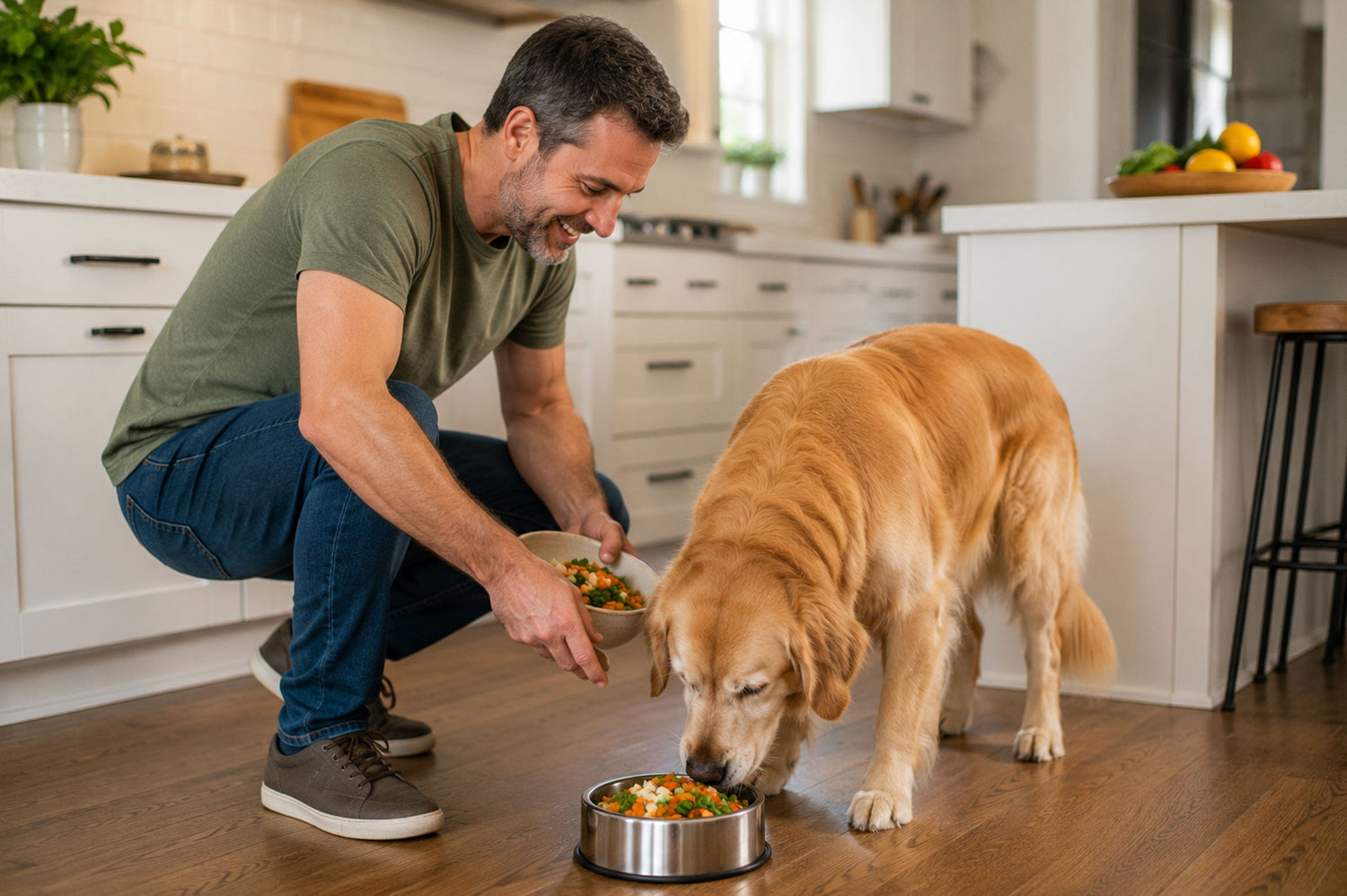
Promote SCFAs in your dog’s gut by feeding fiber-rich, whole foods that encourage beneficial, fermenting bacteria. Consider adding prebiotic fibers, such as beet pulp and flaxseed, or fermented foods like low-salt sauerkraut and yogurt. And eliminate ultra-processed foods.
How Do Stress and Illness Disrupt Gut Health?
Stress and illness can quickly disrupt the balance of beneficial bacteria. During periods of physical or emotional stress, dogs produce higher levels of cortisol, which can damage the gut lining and allow harmful bacteria to grow.
This imbalance weakens the immune system at the exact time your dog needs stronger defenses. It can also increase the risk of digestive upset, infections, and poor nutrient absorption.
Why Do Probiotics Matter During Illness or Treatment?
Probiotics help restore beneficial bacteria and crowd out harmful microbes that try to take over during illness or stress. These healthy bacteria compete with pathogens for nutrients and space while also producing natural antimicrobial compounds.

Probiotics also protect the intestinal lining by repairing the gut barrier and supporting mucus production. During antibiotic use or chemotherapy, probiotics can help reduce digestive side effects and support recovery. For dogs taking antibiotics, probiotics should be given at least two hours apart from medication to protect the live cultures. Always consult a veterinarian first.
What Daily Habits Support a Healthier Microbiome?
Daily nutrition strongly influences which bacteria thrive in the gut. Fiber-rich foods such as pumpkin and sweet potato help nourish beneficial microbes and support stool quality. Fermented foods, including plain kefir or unpasteurized goat’s milk, can also support digestive balance.
Lifestyle factors matter too. Puzzle toys, scent games, and other mental enrichment activities help reduce stress-related cortisol spikes that can damage the gut lining. Filtering drinking water and limiting exposure to harsh lawn chemicals or cleaning products can further protect the microbiome.
Can Daily Gut Support Strengthen Your Dog’s Long-Term Health?
Supporting the microbiome daily helps strengthen your dog’s immune defenses, improve digestion, and support a healthier inflammatory balance over time. A stable, diverse gut environment can help your dog stay more resilient during stress, illness, and aging.
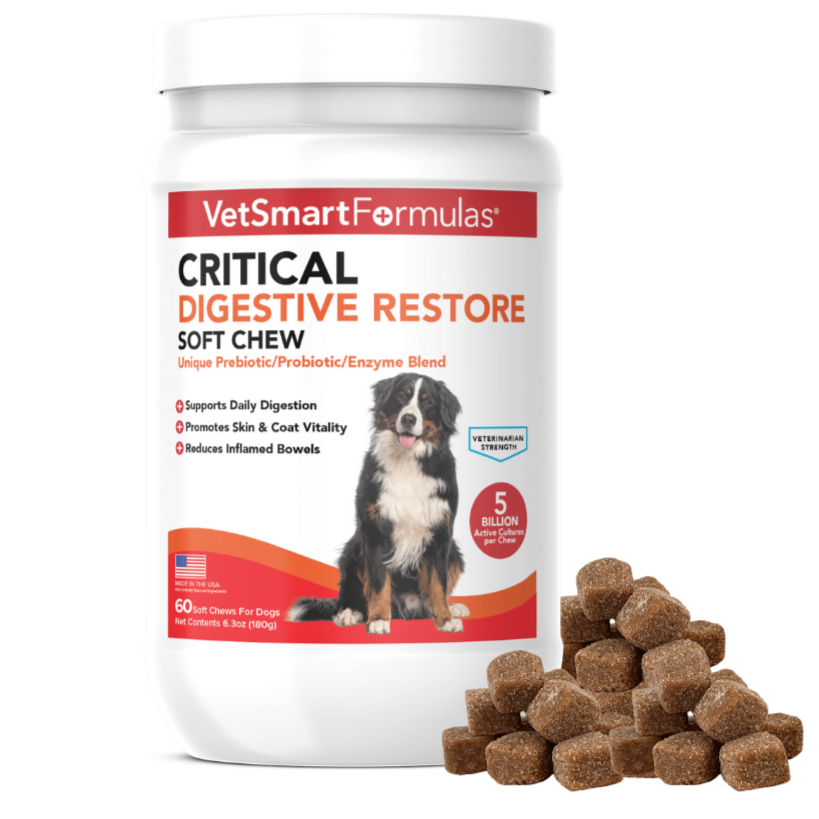
VetSmart Formulas Critical Digestive Restore for Dogs delivers more beneficial compounds and active ingredients per dose than many alternatives. This targeted formula helps support digestive balance, nutrient absorption, and immune resilience so your dog can maintain stronger defenses from the inside out.