A cancer diagnosis can leave pet owners feeling overwhelmed and uncertain. Many people immediately focus on survival time and the next steps. Meanwhile, the biggest question often goes unanswered: Does the cancer treatment still allow your dog to enjoy life?
Cancer treatment can improve comfort and extend meaningful time together. But its side effects can also create physical and emotional strain. Appetite changes, fatigue, withdrawal, and discomfort can gradually affect your dog’s daily happiness.
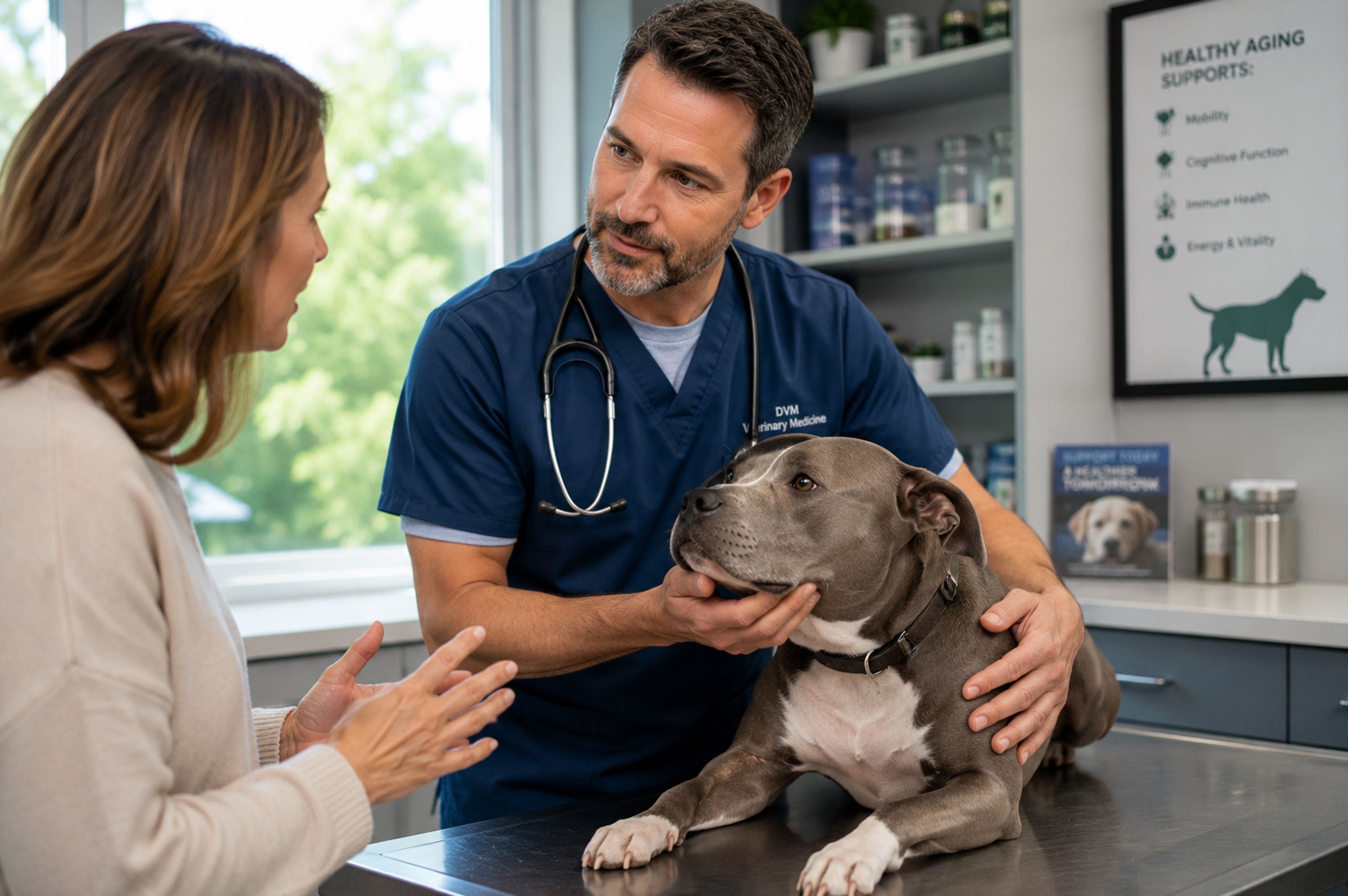
Fortunately, pet owners don’t need to remain stuck between hope and guilt. Veterinarians can evaluate your dog’s side effect symptoms by using practical tools that measure quality of life in dogs undergoing cancer treatment. This information can help you make informed, compassionate decisions that prioritize your dog’s well-being every step of the way.
Why Does Quality of Life Matter So Much During Cancer Treatment?
Veterinary oncology focuses heavily on preserving quality of life. Unlike many human cancer protocols, veterinary treatments prioritize comfort and maintaining normal routines rather than pursuing aggressive treatment at any cost.
Dogs live in the present moment. They respond to how they feel each day, not to future treatment goals. A treatment plan should support comfort, emotional connection, mobility, appetite, and the ability to enjoy normal activities. If treatment no longer supports those areas, the care plan may need to be adjusted.
What Is the HHHHHMM Quality-of-Life Scale?
Veterinary oncologist Dr. Alice Villalobos developed the HHHHHMM Scale to help pet owners evaluate daily well-being more objectively. The scale measures seven categories using a 0-to-10 scoring system. These categories include Hurt, Hunger, Hydration, Hygiene, Happiness, Mobility, and More good days than bad.
This system provides structure during an emotional period. Instead of relying only on feelings or isolated bad moments, owners can track patterns over time. In general, scores above 35 suggest an acceptable quality of life, while declining scores may signal the need to change treatment or supportive care.
How Can You Tell If Your Dog Still Feels Comfortable?
Dogs that respond well to cancer treatment usually rest peacefully without constant panting, pacing, whining, or repeatedly changing positions. They should also tolerate gentle touch without flinching or protecting painful areas.
Keep in mind, pain does not always look dramatic. Some dogs isolate themselves, avoid stairs, resist movement, or stare blankly when discomfort increases. Difficulty settling down at night, heavy breathing, or reluctance to interact can also signal that pain management requires reevaluation.
What Do Appetite and Hydration Reveal About Quality of Life?
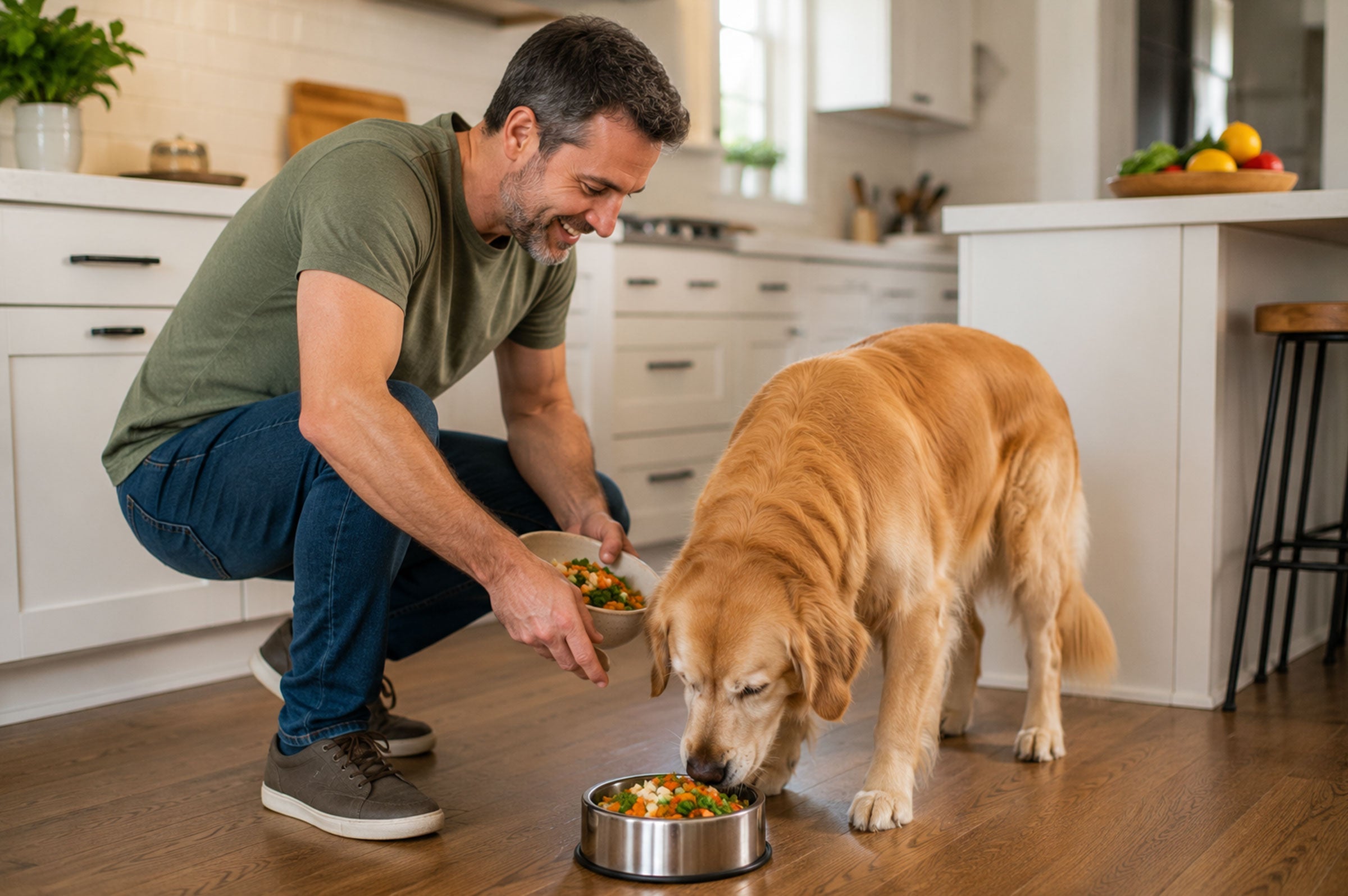
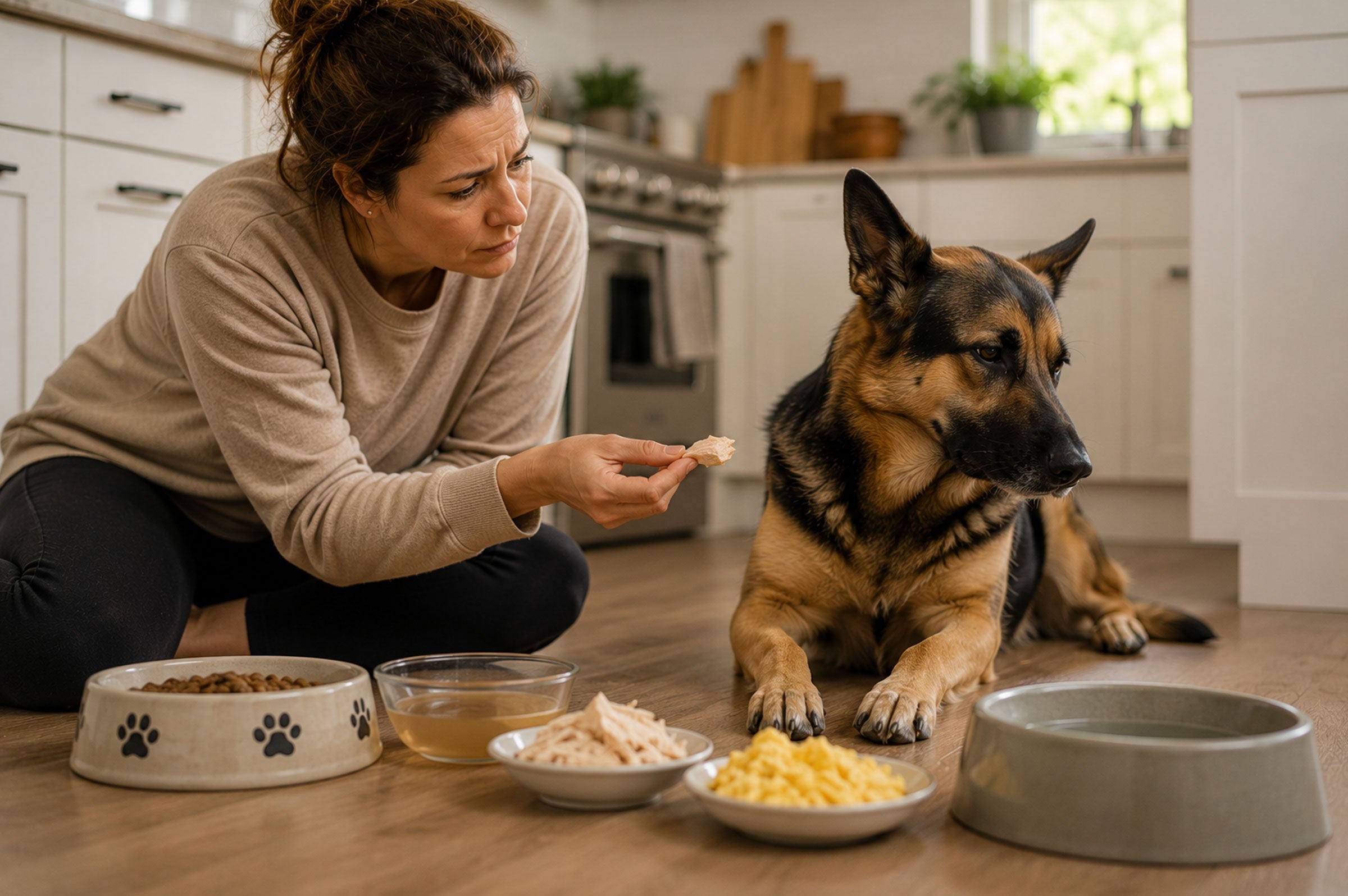
A strong interest in food often reflects better physical and emotional well-being. Dogs that tolerate treatment well usually continue accepting meals, treats, or favorite foods without prolonged nausea or vomiting. Warming food, hand-feeding, or using appetite stimulants may improve intake during difficult periods.
Hydration matters just as much. Dehydration can worsen weakness, nausea, and fatigue. Dry gums, reduced skin elasticity, or refusal to drink water can indicate a declining condition. Some veterinary teams recommend subcutaneous fluids at home to improve hydration and comfort during treatment.
How Do You Know If Treatment Side Effects Have Become Too Severe?
Most dogs tolerate chemotherapy much better than humans because veterinary oncologists use lower, quality-of-life-focused dosing strategies. Mild fatigue, temporary nausea, or soft stool may occur for a few days after treatment.
Persistent vomiting, diarrhea, extreme lethargy, prolonged appetite loss, or severe stress suggest that the treatment plan is too much for your dog. Veterinary oncologists often follow a “rule of three.” Vomiting or diarrhea lasting more than three days or occurring more than three times in one day warrants reevaluation of the treatment plan.
Which Behavioral Changes Suggest Quality of Life Is Declining?
Behavior changes often reveal declining emotional well-being before physical symptoms worsen. Dogs experiencing unmanaged discomfort may hide in unusual places, avoid eye contact, or withdraw from family interactions. A loss of interest in favorite activities can also signal a decline in quality of life.
Veterinarians often encourage owners to think about their dog’s “top three favorite things.” If your dog no longer enjoys those activities, the current care plan may no longer support a meaningful quality of life. Tracking good days versus bad days on a calendar can provide additional clarity during difficult decisions.

How Can Supportive Care Improve Comfort and Vitality?
Supportive care focuses on reducing discomfort and preserving daily function. Orthopedic bedding, ramps, non-slip flooring, and elevated food bowls can improve mobility and reduce strain. Acupuncture, massage, and targeted pain medications may also improve comfort.
Some veterinarians also recommend integrative holistic support alongside conventional cancer treatment. Omega-3 fatty acids support inflammatory balance and muscle maintenance. Probiotics support digestive health during treatment-related stress. Medicinal mushrooms such as turkey tail may support immune function and cellular defenses. Always consult your veterinarian before introducing supplements during cancer treatment.
Can You Make a More Confident Decision About Your Dog’s Cancer Treatment?
Quality-of-life tracking replaces fear and uncertainty with clearer observations. Daily monitoring allows you and your veterinary team to identify trends, adjust treatments, and focus on what matters most: your dog’s comfort, dignity, and happiness.
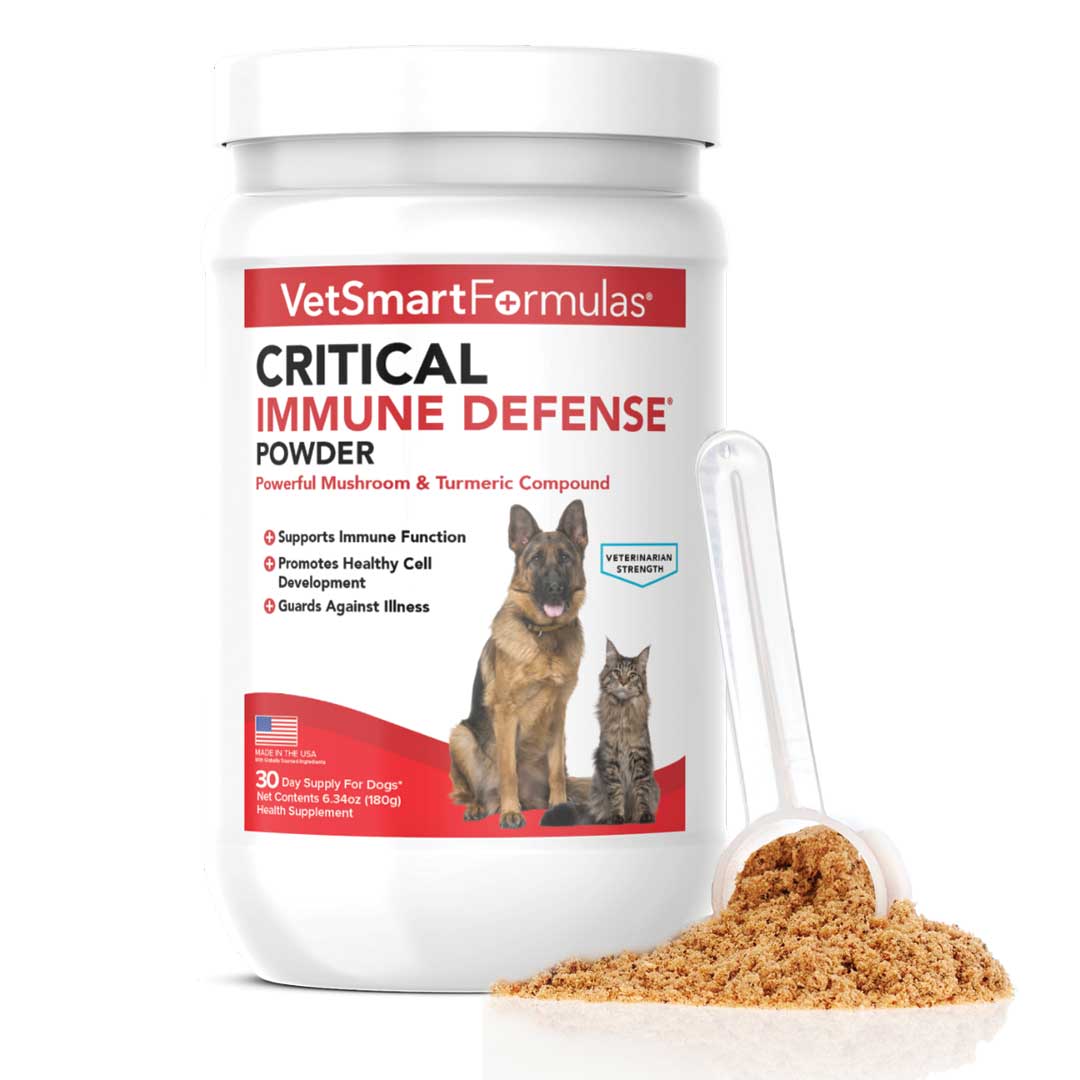
VetSmart Formulas Critical Immune Defense provides more active ingredients than many alternatives. It delivers faster, more noticeable results through its premium blend of medicinal mushrooms that support immune health and vitality during stressful periods. When paired with thoughtful quality-of-life monitoring and veterinary guidance, supportive care can improve comfort and preserve more meaningful time together.