Most pet owners wait until they notice the obvious signs of aging before thinking about long-term health support. Stiffness, gray fur, reduced energy, and changes in alertness often trigger concern. By that point, many owners assume aging has simply “caught up” to their dog.
However, aging starts long before those signs appear. Changes in brain function, cellular energy, joint health, and immune resilience begin years earlier, often while dogs still look healthy and active. Waiting until symptoms become noticeable can limit your ability to slow this decline.
Starting proactive support earlier helps protect your dog’s wellness and quality of life. Learning how aging develops beneath the surface can help you make better decisions that support mobility, cognition, energy, and quality of life for years to come.
How Early Does Aging Actually Begin in Dogs?
Dogs age much faster than humans, especially during their first few years of life. Research shows that a four-year-old dog may already resemble a person in their fifties from a biological aging perspective. Larger breeds often age faster and tend to show internal age-related changes more quickly.
This accelerated aging process affects the body at the cellular level long before visible symptoms appear. Brain function, mitochondrial activity, joint health, and immune resilience can all begin to shift quietly during early adulthood.
Why Do So Many Signs of Aging Go Unnoticed?
Dogs adapt remarkably well to discomfort and gradual decline. Small changes in stamina, sleep patterns, mobility, or responsiveness can happen so slowly that owners overlook them or dismiss them as “normal.”
Research on canine cognitive dysfunction shows that many dogs experience measurable cognitive decline before owners recognize a problem. Studies estimate that cognitive dysfunction affects a significant percentage of aging dogs, yet only a small number receive a formal diagnosis. Early changes often appear subtly through anxiety, confusion, altered sleep, or reduced interaction.
What Happens Inside the Body Before Visible Aging Appears?
Cellular aging begins before gray hair or obvious slowing down. Mitochondria, which produce energy for cells, gradually lose efficiency over time. Oxidative stress also increases with age, which can damage cells throughout the brain, joints, muscles, and organs.
Inflammation and cellular wear can quietly affect mobility, cognition, and recovery long before symptoms become obvious. This hidden decline explains why some dogs appear healthy on the outside while internal aging processes continue developing beneath the surface.
Why Does Breed Size Affect Aging Speed?
Breed size plays a major role in how swiftly dogs age. Small breeds often do not reach senior status until around 10 to 12 years old, while giant breeds may reach that stage by age five or six.
Larger dogs grow rapidly, which places greater stress on joints, organs, and metabolic systems throughout their lifetime. Because of this accelerated aging process, large and giant breeds benefit from earlier preventative support focused on mobility, weight management, and overall cellular health.
Which Daily Habits Support Healthy Aging the Most?
Nutrition, exercise, mental stimulation, and preventative care all support healthier aging. Maintaining a healthy weight reduces stress on joints and organs, while regular movement supports muscle strength, mobility, and cardiovascular health.
Mental enrichment also matters. Activities such as training, puzzle toys, scent work, and social interaction help support cognitive function and emotional wellness. Consistent veterinary checkups and routine screenings can help identify internal changes before they progress into more serious conditions.
Why Do Antioxidants Matter More as Dogs Age?
As dogs age, oxidative stress increases throughout the body. Free radicals can damage cells in the brain, immune system, muscles, and organs, contributing to reduced vitality and cognitive decline.
Antioxidants help neutralize these unstable molecules and support healthier cellular function. Supporting antioxidant defenses with supplements can help maintain mental sharpness, immune resilience, and overall quality of life as dogs grow older.

Can Starting Early Help Your Dog Stay Healthier Longer?
Proactive support gives your dog a better chance to enjoy healthy aging with improved strength, clarity, mobility, and energy throughout their lifetime. Waiting for a visible decline often means missing the opportunity to support the body before age-related changes accelerate.
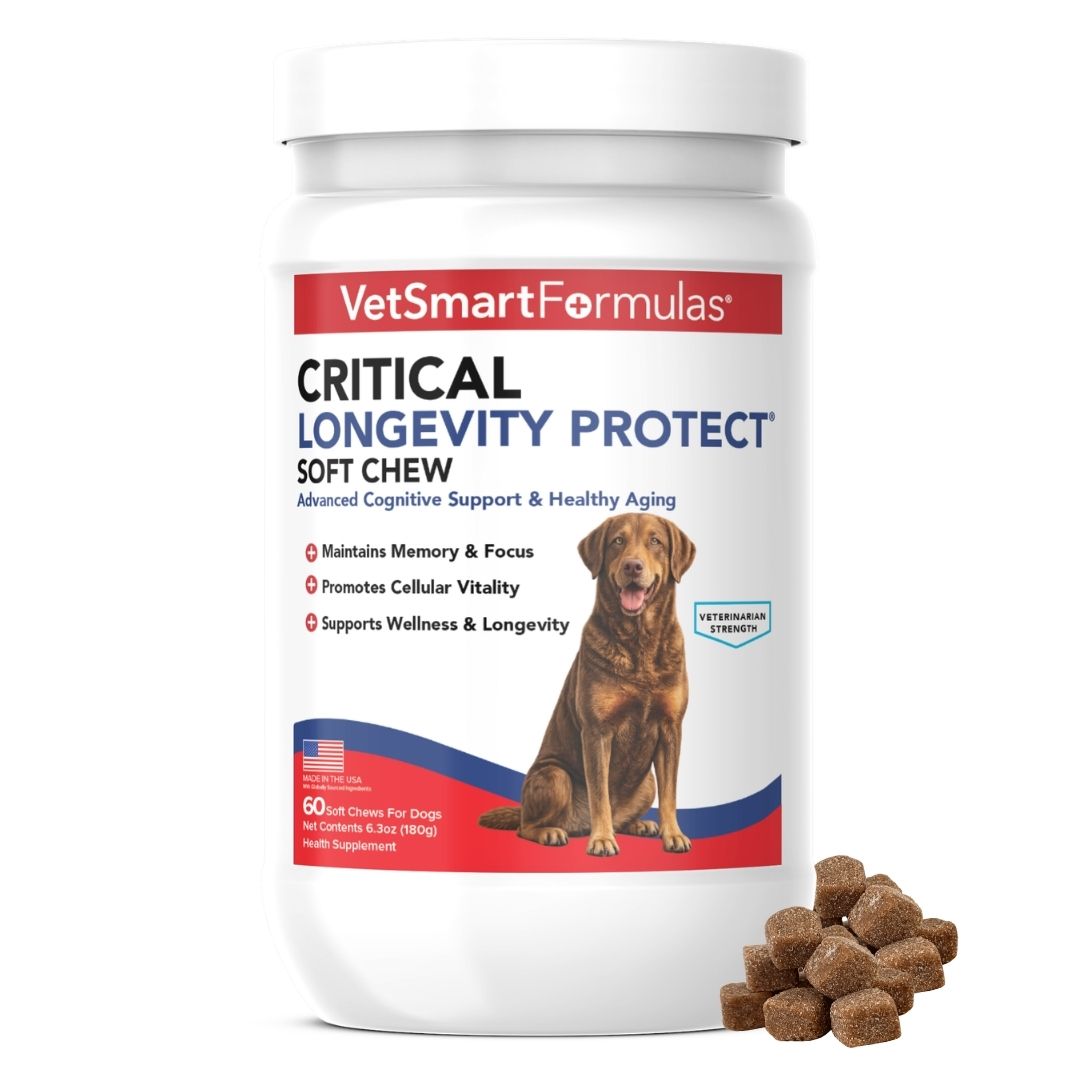
All VetSmart Formula products share a commitment to investing in your dog’s wellness throughout their lifetime. That’s why we’re developing Critical Longevity Protect, designed to support healthy aging before decline becomes obvious. By supporting brain health, cellular energy, and long-term resilience early, this formula will help your dog stay healthier, more active, and more engaged for years to come.