Many pet owners wait until a health problem occurs before focusing on long-term wellness. They respond to stiffness after arthritis develops, digestive support after chronic stomach issues begin, or immune support after illness strikes. By that point, treatment often becomes more expensive, stressful, and difficult to manage.
Small health issues can quickly turn into major veterinary expenses when prevention gets overlooked. Chronic inflammation, obesity, dental disease, and digestive problems often develop gradually over time. Emergency visits, medications, surgeries, and ongoing care can place emotional and financial strain on pet owners.
For these reasons, more and more dog owners have taken a proactive approach to wellness by supporting health to head off or eliminate issues in the first place. Daily routines, preventative care, and targeted supplements help protect mobility, digestion, immune function, and overall vitality for healthier years ahead.
Why Has Preventive Wellness Become So Popular?
Pet owners increasingly view dogs as family members rather than property. This shift has changed how people think about long-term care, leading many owners to focus on prevention rather than waiting for illness or injury to appear.
Preventive care helps reduce the risk of costly and chronic conditions later in life. Regular wellness exams, proper nutrition, exercise, and daily supplementation support healthier aging and may reduce the need for more intensive medical intervention over time.
How Can Preventive Care Help Reduce Veterinary Costs?
Routine care often costs far less than emergency treatment. Regular checkups can identify health concerns early, before they progress into more serious and expensive conditions. Vaccinations, parasite prevention, and dental care also help preventable illnesses that may require intensive treatment later.
Dental disease provides one clear example. Research shows that most pets develop dental disease by the age of three. If left untreated, it can lead to infections that impact the heart, kidneys, and overall health. Simple preventive habits such as brushing and oral care can help reduce these risks and avoid costly procedures.
Why Do Nutrition and Weight Management Matter So Much?
Maintaining a healthy weight helps protect nearly every system in your dog’s body. Excess weight increases stress on joints and organs while raising the risk of arthritis, diabetes, and heart disease.
High-quality nutrition also supports long-term wellness. Balanced diets consisting of high-quality protein, healthy fats, and targeted nutrients help support digestion, immune function, mobility, and energy levels. Measuring meals and limiting excessive treats can help prevent gradual weight gain over time.
How Do Daily Supplements Support Long-Term Health?
More than half of dog owners now use supplements as part of their pet’s wellness routine. Daily supplementation helps support areas commonly affected by aging and chronic inflammation before noticeable decline begins.
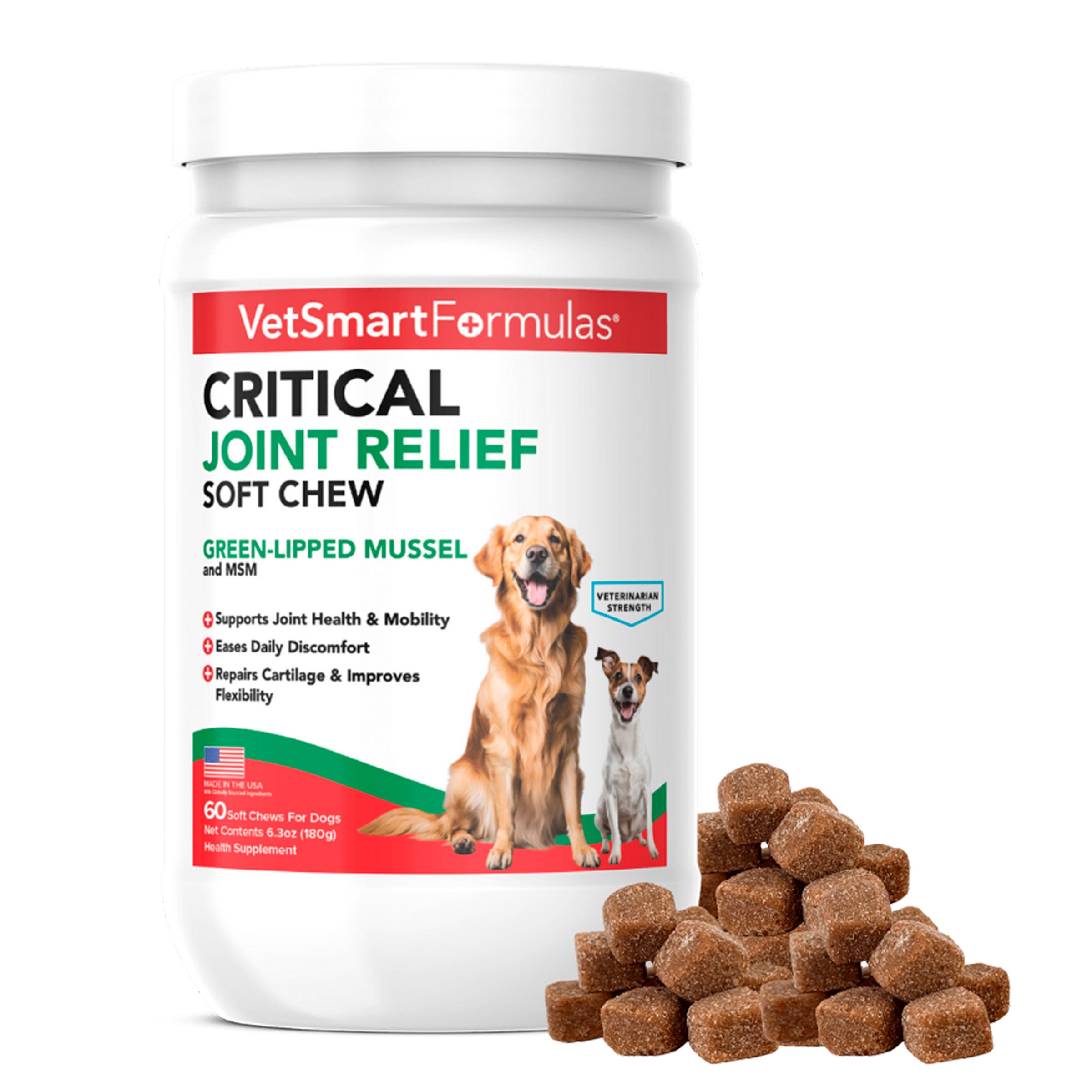
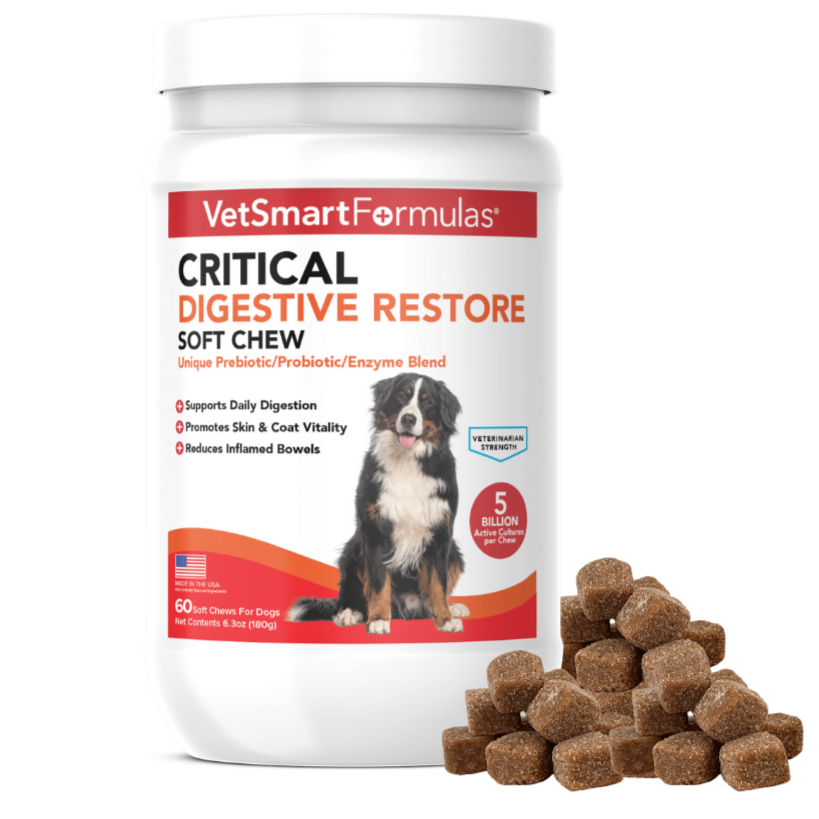
Joint support ingredients such as glucosamine and MSM help maintain cartilage and mobility. Omega-3 fatty acids support skin, joints, and brain function, and balance inflammation. Probiotics help maintain digestive and immune health. And medicinal mushrooms and CoQ10 support immune resilience and cellular function.

Why Does Starting Early Matter?
Preventive support works best before major issues develop. Starting preventive pet supplements and wellness routines early helps maintain healthier joints, digestion, cognition, and immune function over time.
Consistency also matters. Daily support helps maintain steady benefits and supports the body before age-related decline accelerates. Waiting until symptoms become severe can limit the effectiveness of preventative strategies.
What Other Habits Help Protect Your Dog’s Future Health?
Exercise, grooming, and routine observation all support long-term wellness. Regular walks and play sessions help maintain muscle tone, mobility, and emotional health. Grooming and at-home wellness checks can help you identify lumps, skin changes, or ear issues before they worsen.
Financial preparation also helps reduce stress when unexpected expenses arise. Pet insurance, wellness plans, or dedicated savings accounts can help owners manage future veterinary costs more effectively while ensuring dogs receive timely care.
Can Wellness Routines Help Protect Your Dog’s Future?
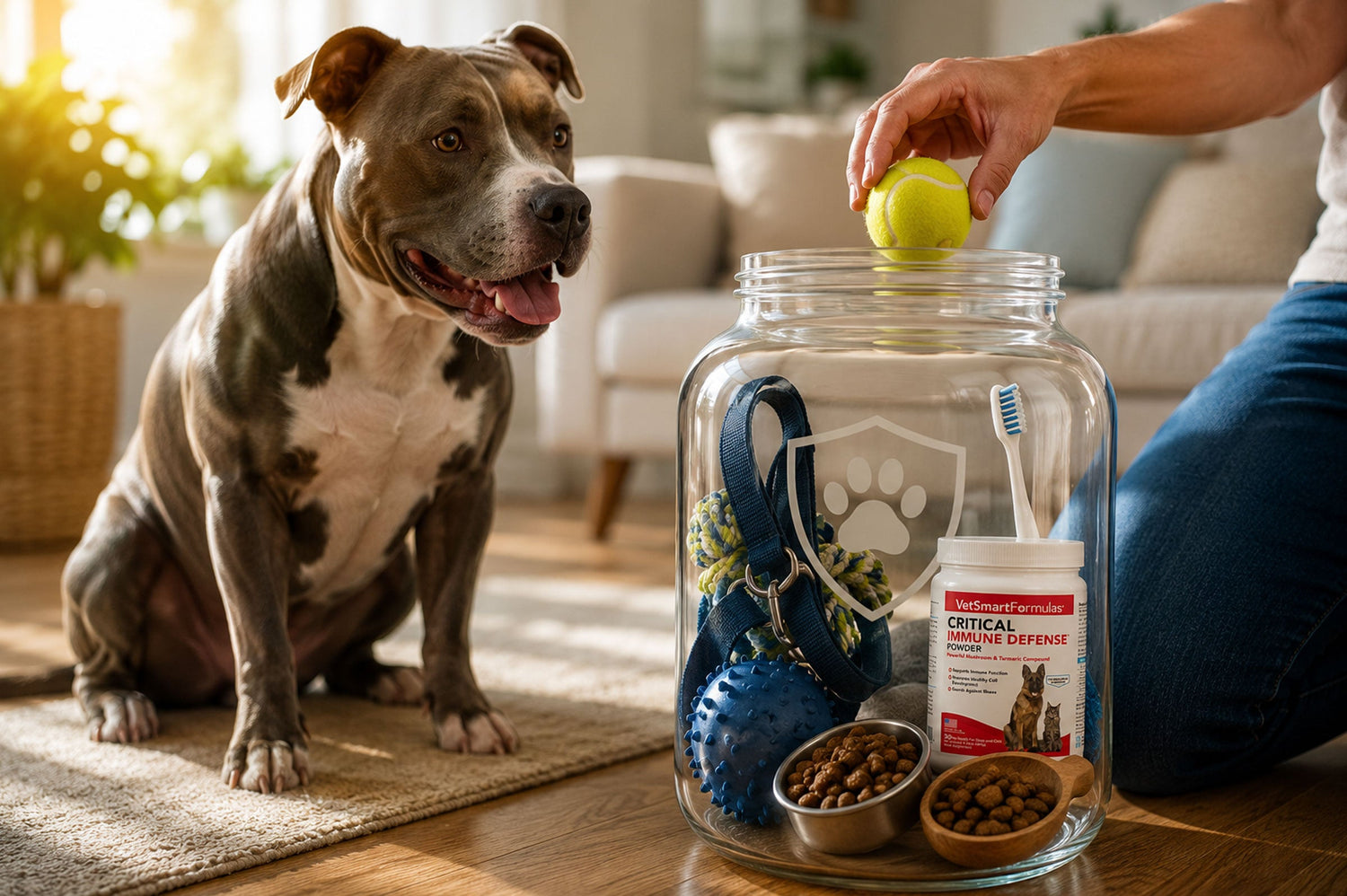
Daily wellness habits can help protect your dog’s mobility, digestion, immune health, and overall quality of life for years to come. A proactive approach gives you more opportunities to support your dog before chronic conditions become harder to manage, and can essentially act as a daily insurance policy for your dog’s long-term health.
VetSmart Formula products support brain health, cellular energy, immune balance, and healthy aging early, including our latest product in development, Critical Longevity Protect. All VetSmart Formula products deliver a higher inclusion rate of active ingredients than many alternatives, with more support per dose for faster and more noticeable results.