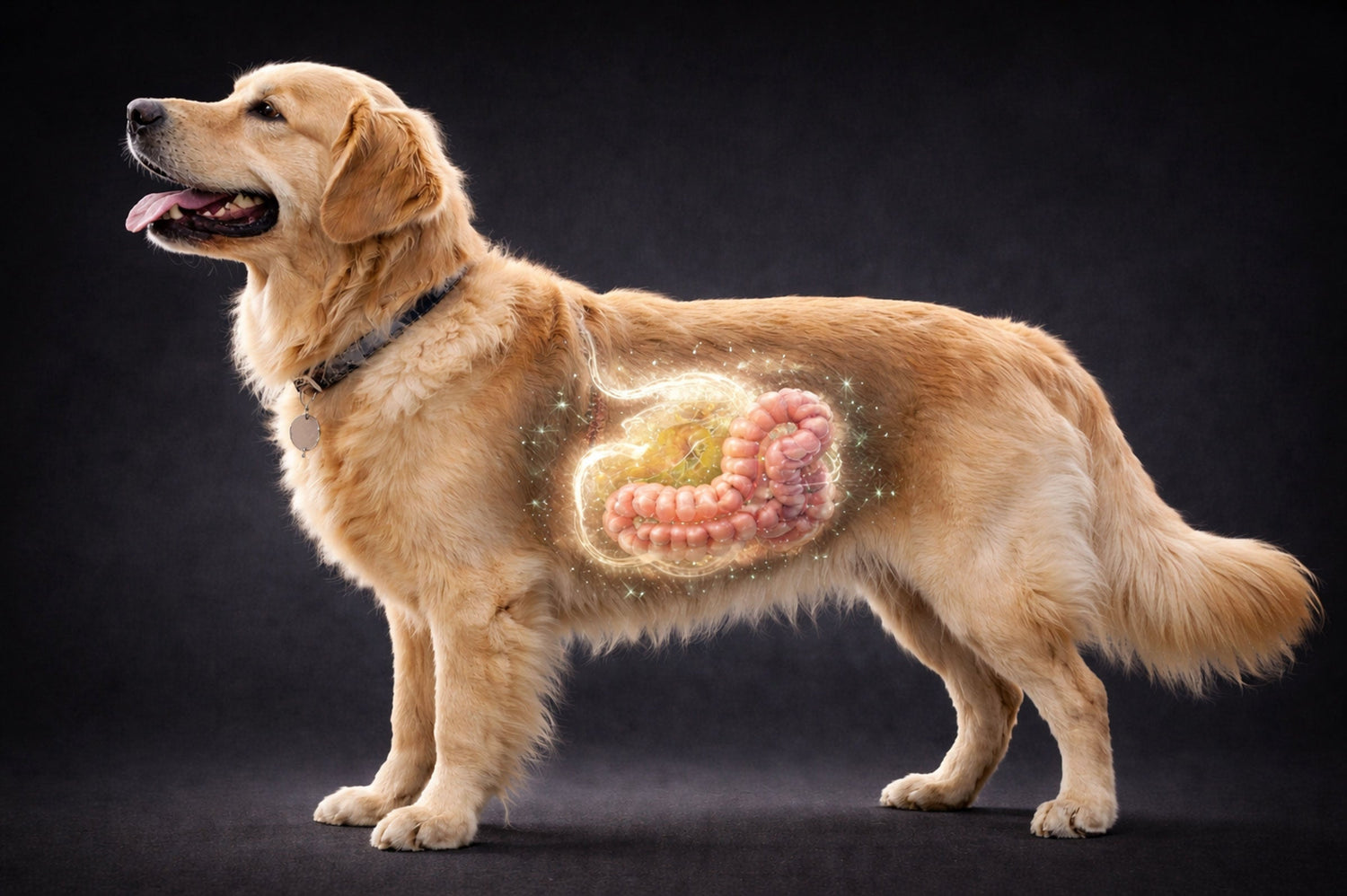
Much like humans, a dog’s digestive health directly impacts their overall wellness, from nutrient absorption to immune function. While some dogs maintain a balanced gut naturally, others experience disruptions that can lead to digestive upset, inflammation, and recurring health issues.
Probiotics have become an increasingly popular supplement for supporting gut health. However, many pet owners wonder if they’re truly necessary. Understanding when and why to add probiotics to your dog’s routine allows you to make better-informed decisions about your dog’s long-term health.
What Do Probiotics Actually Do for Dogs?
Comprised of beneficial bacteria, probiotics maintain balance in your dog’s gut microbiome. This balance ensures proper digestion. It helps your dog break down food efficiently and absorb the key nutrients needed for energy, growth, and repair.
Probiotics also support immune function. Because roughly 70% of your dog’s immune system connects to the gut, a healthy microbial balance can help protect against infections and reduce inflammation. Probiotics also improve stool quality and support dogs that deal with chronic digestive conditions.
When Do Dogs Benefit Most From Probiotics?
While not every dog requires daily probiotics, they can be especially helpful during times when the gut microbiome experiences disruption. Situations such as antibiotic use, dietary changes, travel, or stress can all negatively impact gut balance and lead to digestive upset.
Dogs experiencing chronic diarrhea, gas, or food sensitivities often benefit from consistent probiotic support. Probiotics also help manage stress-related digestive issues, such as those that occur during boarding or environmental changes. They’re also vital for stabilizing the gut and reducing symptoms of poor digestion as dogs age.
What Are the Signs Your Dog May Need Probiotics?
Recurring digestive issues, such as loose stools, constipation, or frequent vomiting, indicate that your dog’s gut health has fallen out of balance. Other signs include bad breath, poor coat quality, and ongoing skin issues. In some cases, dogs may also show signs of anxiety or behavioral changes, as the gut microbiome impacts mood-regulating and stress responses.
Do Probiotics for Dogs Work?
Research involving healthy pets showed that daily probiotic supplements remained safe when given as directed by pet owners. Researchers found that they moved properly and efficiently through a dog’s digestive system after discovering them in the stool.
Probiotics also help support your dog’s digestive health during an illness or stressful times. In a 2019 study, dogs that received a probiotic blend while taking antibiotics experienced fewer incidents of diarrhea, vomiting, and loss of appetite than dogs not given probiotics.

Are All Probiotics the Same for Dogs?
Not all probiotics deliver equal or meaningful results. High-quality, canine-specific formulations, such as VetSmart Formulas, provide the right strains in the optimal amounts to support your dog’s unique needs. Research shows that certain strains, such as Enterococcus faecium, Lactobacillus acidophilus, and Bifidobacterium longum, support digestion, immunity, and stress-related behaviors.
Can Probiotics Be Used Daily for Long-Term Health?
Research indicates that probiotics can be used daily as an effective strategy for many dogs, especially those with ongoing digestive issues or immune challenges. Because beneficial bacteria do not permanently colonize the gut, consistent supplementation is often needed to maintain their effects.
For healthy dogs, probiotics may be used intermittently or during times of stress to support balance. It may take several weeks of consistent use to see noticeable improvements, particularly for chronic conditions. So, keep in mind that patience and a daily routine will pay off in the long run.
Are Probiotics Worth It for Your Dog’s Overall Health?
In many cases, probiotics make a valuable addition to your dog’s wellness routine, especially when digestive health or immune balance is a concern. By supporting the gut microbiome, probiotics can help improve digestion, reduce inflammation, and strengthen your dog’s natural defenses.
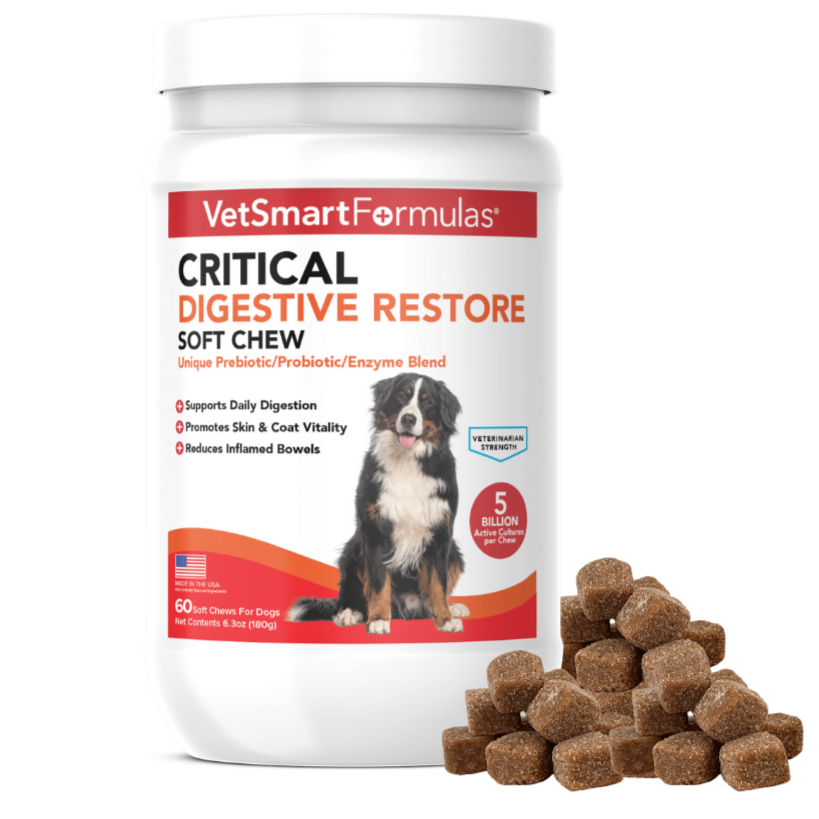
If you’re looking for a targeted way to support your dog’s digestive and immune health, VetSmart Formulas Critical Digestive Restore for Dogs includes more beneficial bacteria per dose than many alternatives. This formula produces noticeable results for maintaining a balanced gut, supporting immune function, and improving overall wellness.