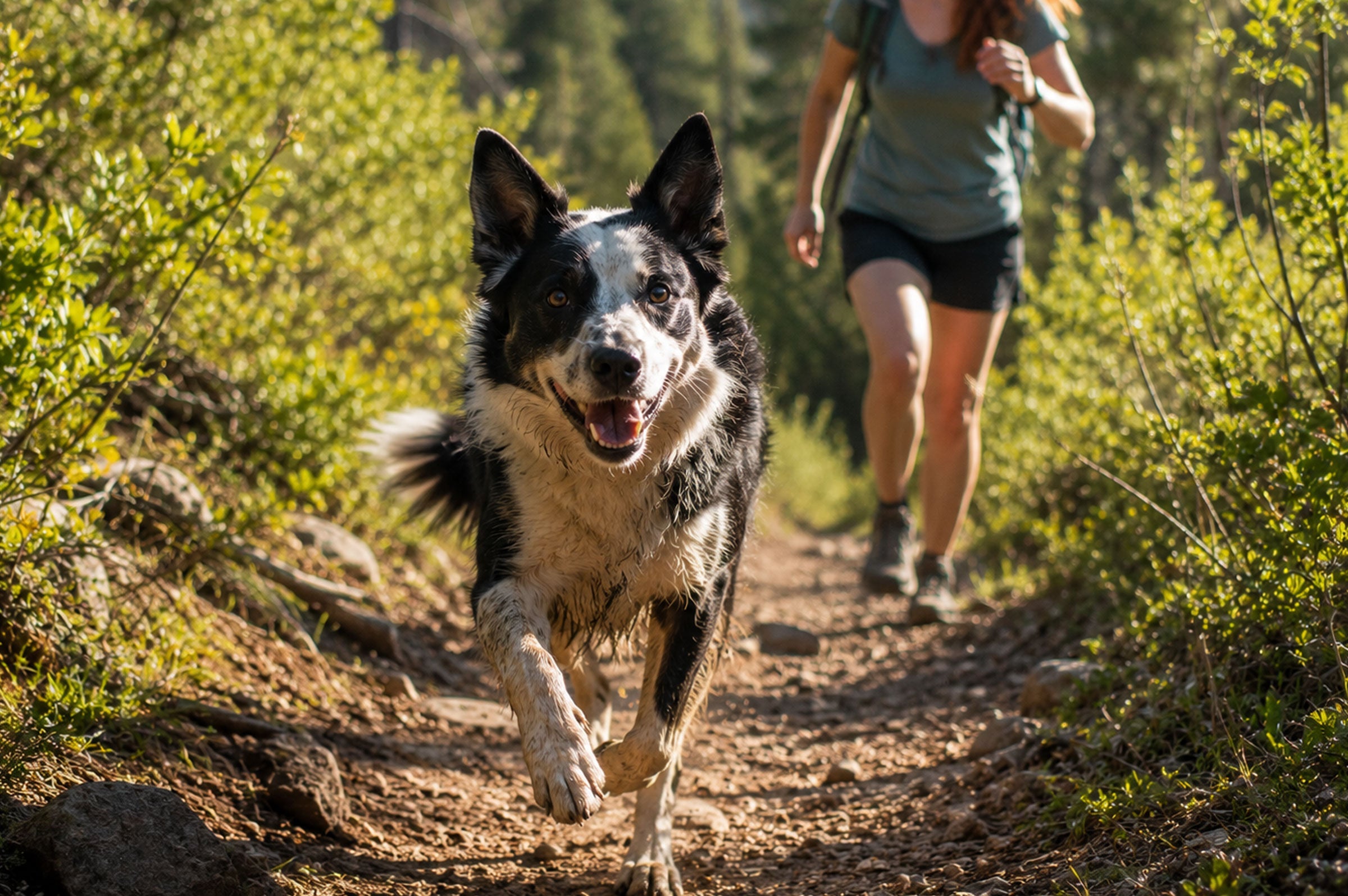
Spring means more time outside, longer walks, and plenty of fresh air for you and your dog. But it also brings a surge of environmental allergens that can make some pets uncomfortable. About 10% of dogs experience spring allergies, and research says that percentage is increasing each year.
Dogs display allergy symptoms differently from their human companions. Instead of sneezing or watery eyes alone, dogs often show signs on their skin and in their behavior. Understanding what triggers these reactions and how to manage them can make a noticeable difference in your pet’s comfort.
What Causes Spring Allergies in Dogs?
Spring allergies in dogs are typically caused by environmental and airborne triggers such as pollen from trees, grasses, and mold spores. These allergens are either inhaled or settle on your dog’s skin and coat, where they can trigger an immune response.
When a dog’s immune system overreacts to these substances, it releases inflammatory compounds that lead to itching, irritation, and discomfort. Common culprits include tree pollen like oak and maple, early grass pollens, and mold that thrives in damp spring conditions. Increased time outdoors also raises exposure, making symptoms more noticeable during this season.
What Are the Signs of Seasonal Allergies in Dogs?
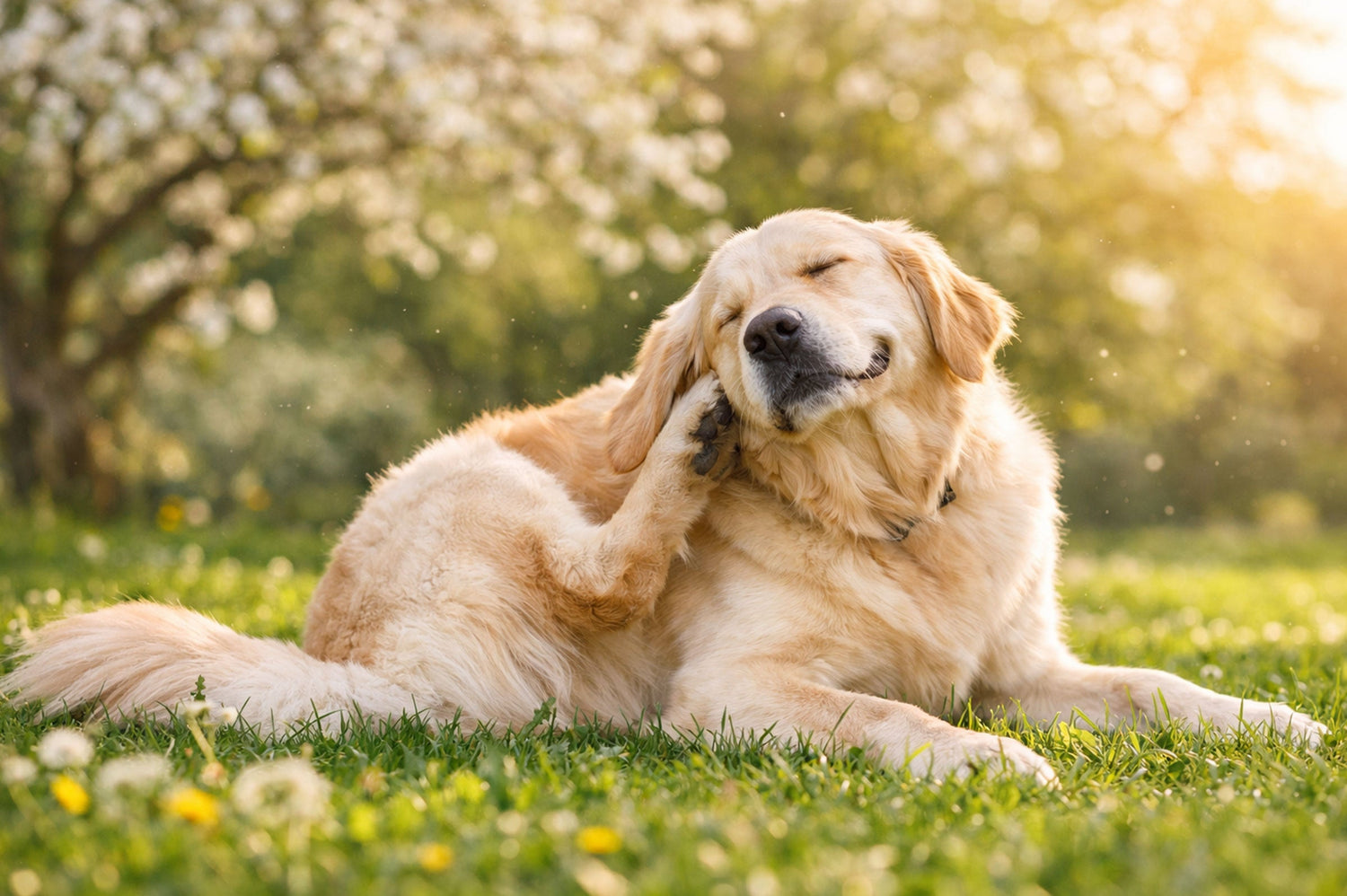
Dogs with seasonal allergies often have persistent itching, which may lead to excessive scratching, licking, or chewing, especially around the paws, ears, and belly. Other signs include red or inflamed skin, watery eyes, sneezing, and recurring ear infections. Some dogs may develop hot spots or hair loss from constant irritation. These symptoms often appear during peak allergy months in spring and can worsen without proper management.
Why Do Some Dogs Have Worse Allergies Than Others?
Not all dogs react to allergens the same way. Genetics plays a major role, with certain breeds being more prone to allergic conditions. Dogs with a family history of allergies are also more likely to develop similar sensitivities.
Some dog breeds, such as spaniels and bulldogs, have weaker skin defenses, which allow allergens to penetrate more easily, triggering inflammation. Additionally, some dogs have more reactive immune systems that produce stronger responses to common environmental triggers, leading to more severe or persistent symptoms.
How Can You Help Manage Your Dog’s Allergy Symptoms?
Managing spring allergies often starts with reducing exposure to allergens. Simple habits like wiping your dog’s paws and coat after walks can remove pollen before it causes irritation. Regular bathing with gentle, soothing shampoos can also help keep allergens from building up on the skin.
Keeping your home environment clean also helps to reduce allergens. Washing bedding frequently, using air purifiers, and limiting outdoor activity during high-pollen days can limit overall exposure. These small changes can add up and help keep your dog more comfortable throughout the season.

How Can Pet Owners Support Dogs With Seasonal Allergies?
Natural strategies can complement other allergy management efforts by supporting the body from the inside out. Anti-inflammatory nutrients and immune-support ingredients may help regulate your dog’s response to allergens.
Options such as omega-3 fatty acids, probiotics, quercetin, and colostrum are often used to support skin health, gut balance, and immune function. Since the immune system plays a central role in allergic reactions, supporting it properly can lessen how often and how intense symptoms occur over time.
Can Supplements Help Dogs During Allergy Season?
Supplements can be a valuable part of a broader allergy management plan. Ingredients like omega-3 fatty acids help reduce inflammation and support the skin barrier. Probiotics help dogs manage seasonal allergies by supporting the gut-immune connection and potentially reducing itching, inflammation, and skin flare-ups during allergy season.
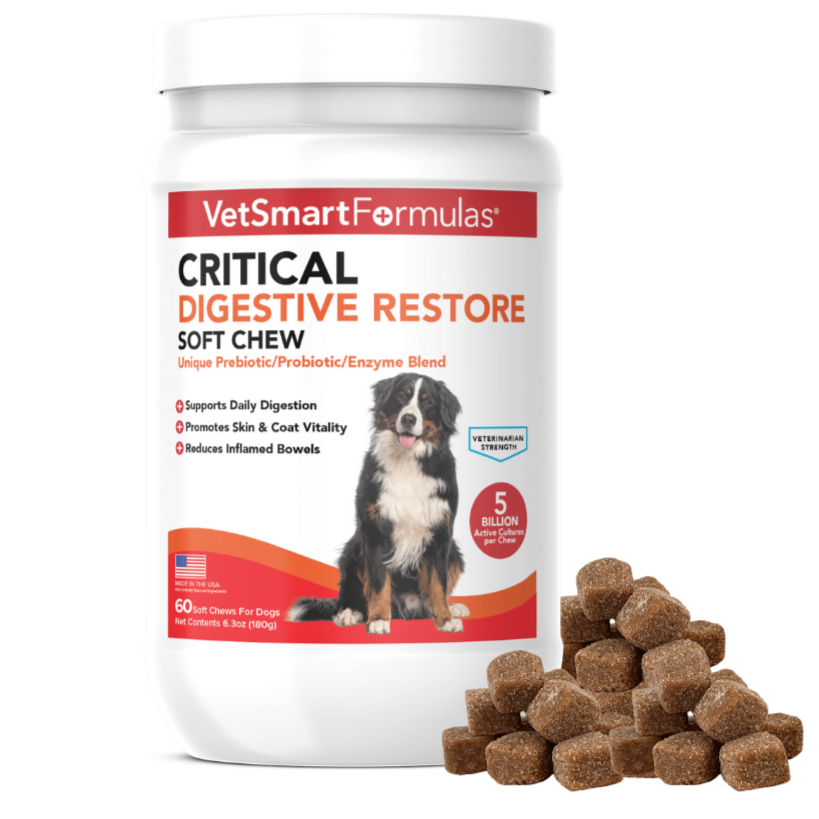
If you’re looking for a way to support your dog from the inside out, VetSmart Formulas Critical Digestive Restore for Dogs delivers targeted probiotic support to help maintain a healthy gut microbiome and strengthen immune function. By improving digestive balance, this supplement can help your dog better manage seasonal allergies while supporting overall wellness.