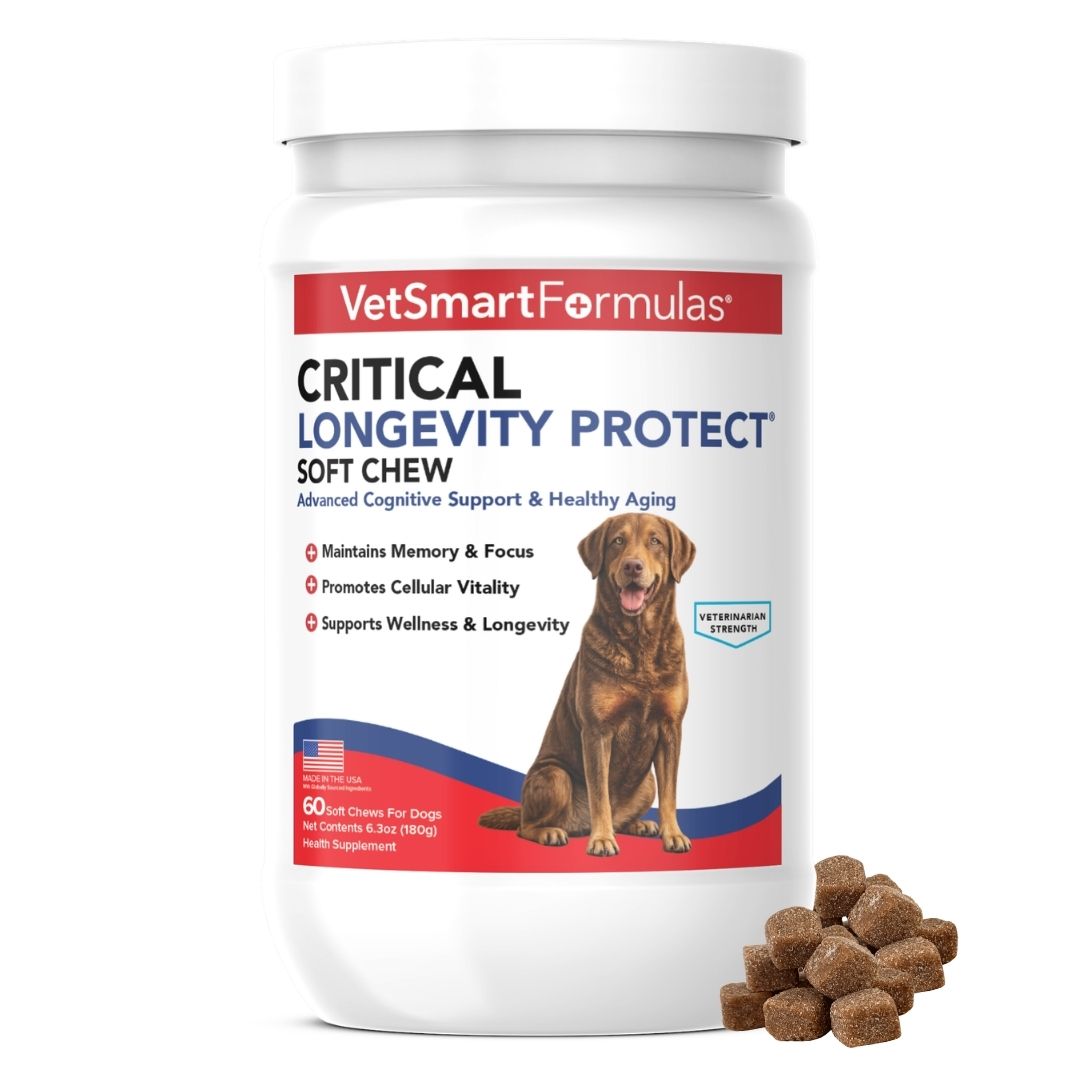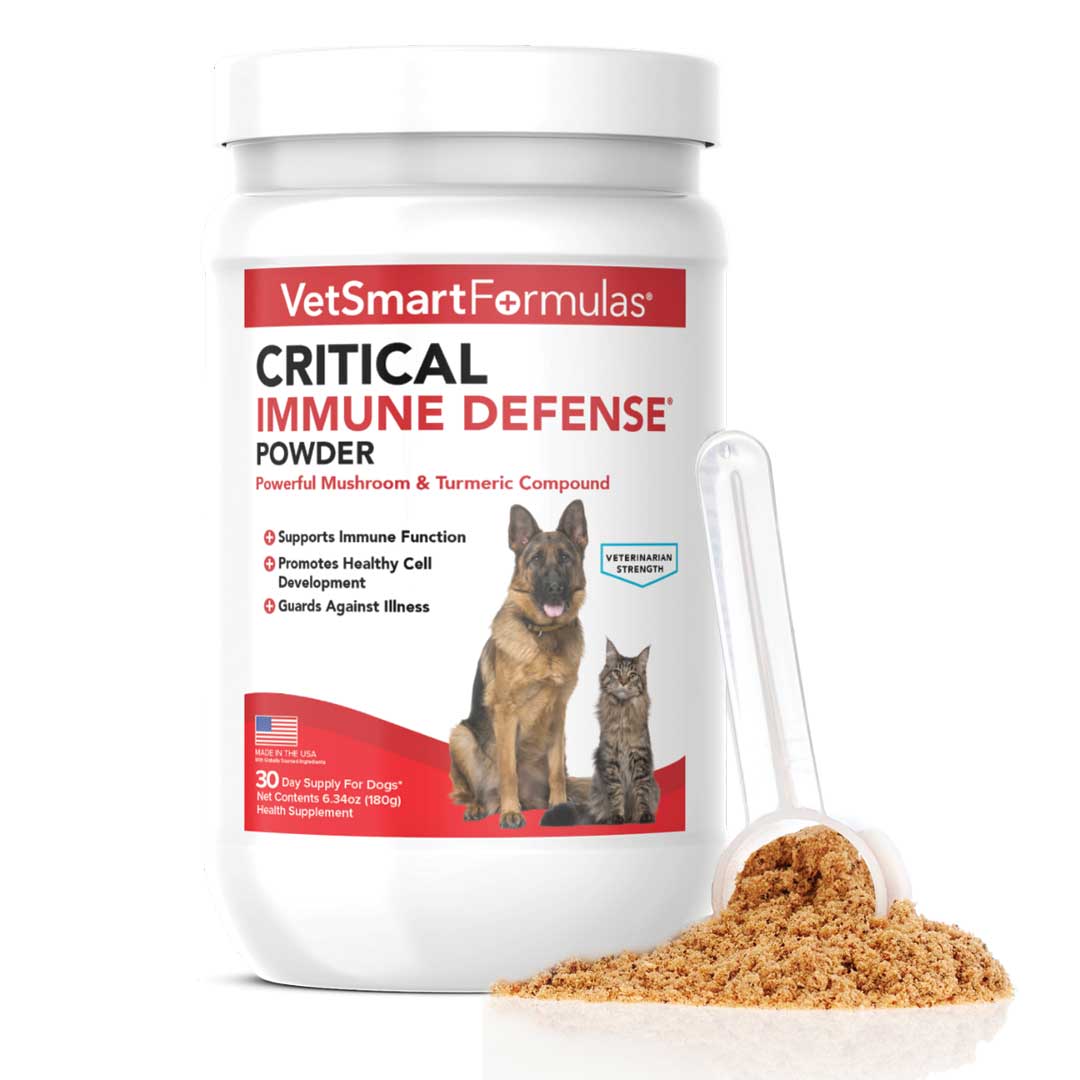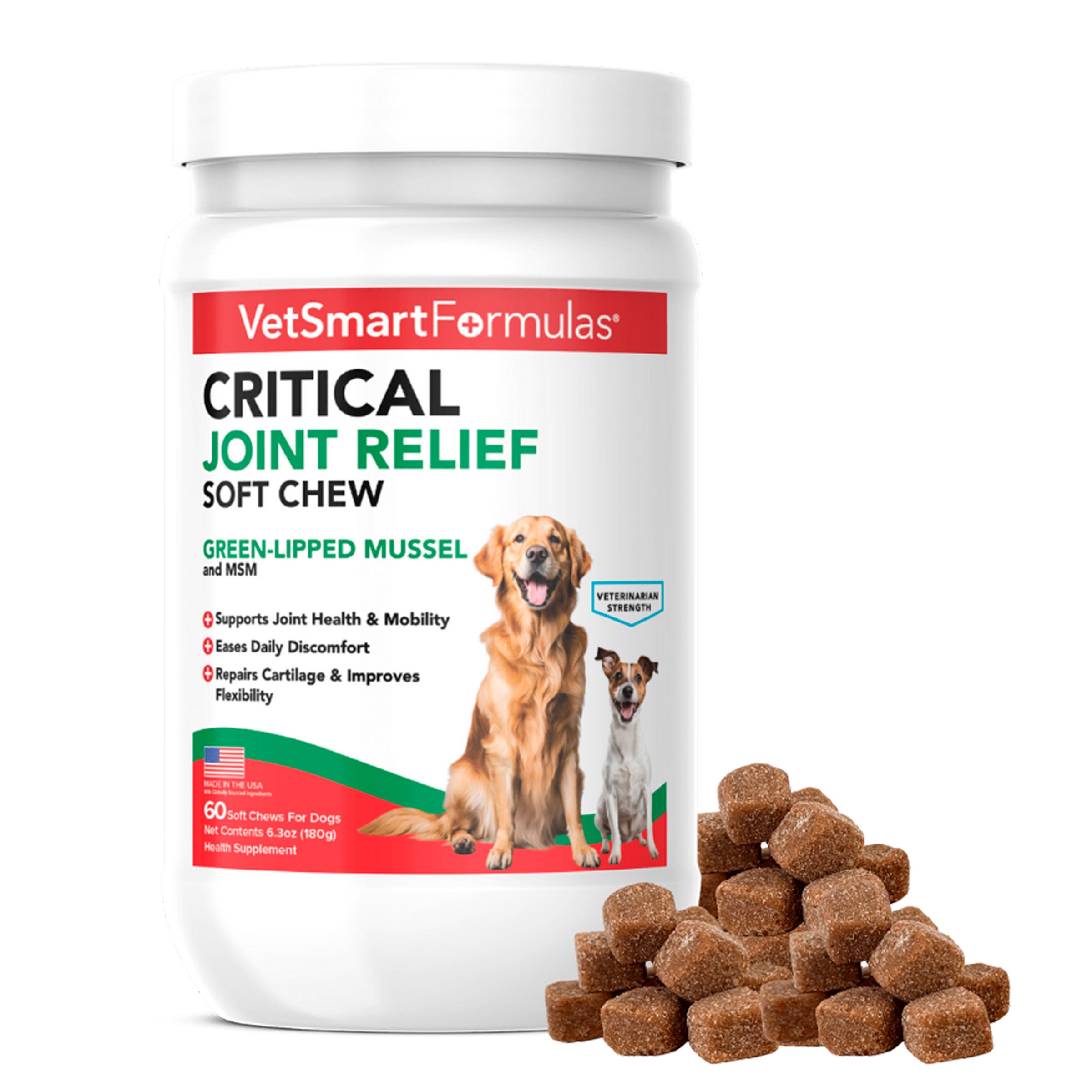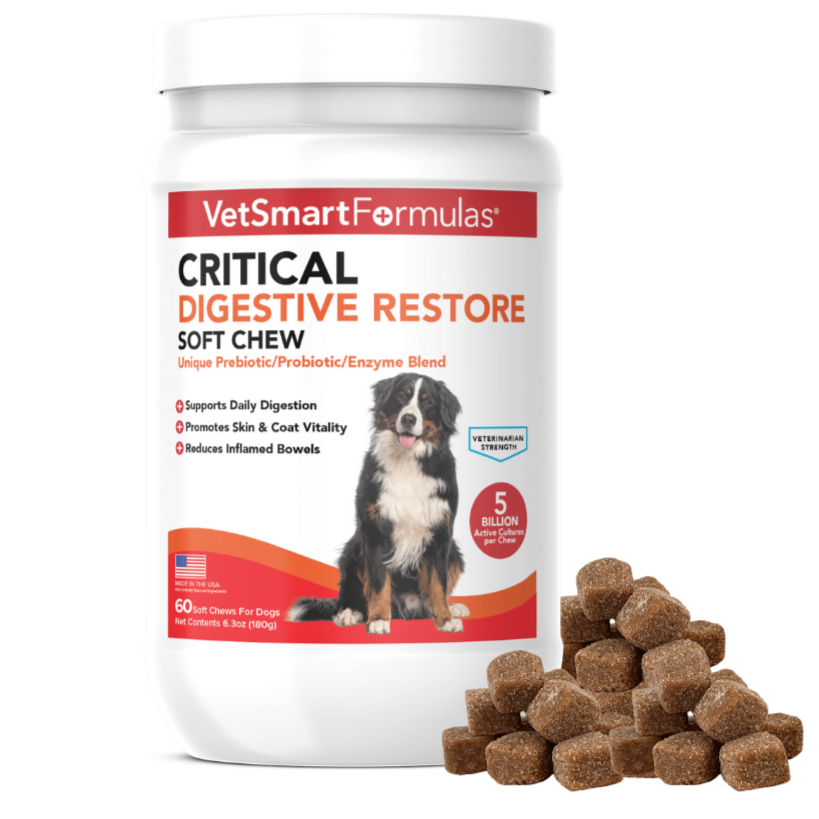
Today, due to a growing shift toward preventive wellness, more than half of dog owners and about one-third of cat owners already give their pets supplements. It’s a wise decision! Taking a proactive approach to your dog or cat’s health can help reduce long-term risks while supporting a better quality of life. And it can save you from eye-popping vet bills as your pet ages.
Pet healthcare costs can rise quickly, especially when chronic conditions develop over time. Many of the most expensive treatments stem from issues that could have been addressed earlier with proper nutrition and preventive care. Instead of waiting for problems to appear, discover how more pet owners are using supplements to support joints, digestion, and immune function early, helping their pets stay healthier for longer.
What Are Preventive Supplements for Dogs and Cats?
Unlike reactive care, which occurs after a problem develops, preventive supplements support a pet’s health before visible symptoms appear. This approach also reduces the likelihood of a condition or disease developing in the first place.
Preventive use of supplements helps maintain wellness over time by strengthening key systems like joints, digestion, and immunity. This proactive mindset can play a major role in helping pets stay active, comfortable, and healthier as they age.
Which Health Issues Can Preventive Supplements for Dogs and Cats Help Reduce?
Many of the most common and costly health conditions in pets develop gradually over time. Preventive supplements target these issues early by supporting the underlying systems involved.
Joint degeneration is one of the most common concerns, especially in larger breeds and aging pets. Supporting cartilage and reducing inflammation early may help slow the progression of arthritis.
Addressing digestive health and nurturing the gut microbiome enhances both nutrient absorption and immune function. Probiotics have been shown to improve microbial balance and support immune markers in dogs.
And, finally, preventive immune system support can reduce chronic inflammation, which is often a root factor in many long-term conditions. Antioxidants and omega-3 fatty acids help manage inflammation and support cellular health as pets age.
How Do Preventive Supplements for Pets Compare to the Cost of Treatment?
At first glance, adding supplements to your pet’s routine may seem like an added expense. However, when compared to the cost of treating advanced conditions, preventive care becomes by far more affordable over time.
The cost of preventive supplements per month hardly comes close to the hundreds, and likely thousands of dollars, it costs to pursue a treatment plan. For example, managing arthritis long-term may involve ongoing medications, physical therapy, or surgery. Similarly, untreated digestive or immune issues can lead to repeated appointments and diagnostic testing. These expenses can add up quickly!

When Should You Start Preventive Supplement Support for Pets?
For many dogs and cats, early adulthood is an ideal time to begin. Larger breeds may benefit from joint support even sooner due to increased stress on their joints. As pets age, their nutritional needs change, and consistent supplementation becomes even more important for maintaining mobility and immune function.
So it’s wise to start early. Avoid waiting until symptoms appear, which often means underlying damage has already begun. Also, consistency is key. Preventive supplements are most effective when used regularly over time, allowing nutrients to support the body’s natural processes and reduce the impact of wear and tear.
Can Preventive Supplements Really Save You Money in the Long Run?
In many cases, the answer is yes. Prevention is consistently more affordable than treating advanced disease. Preventive supplements support long-term health by addressing issues before they become serious and expensive to treat.
While there is an upfront cost, this approach often helps reduce the need for costly medications, procedures, and emergency care later in life. By supporting joint health, digestion, and immune function early, you can help your pet stay active, comfortable, and healthier for longer.
If you’re looking for a way to support your dog’s long-term mobility and reduce the risk of costly joint issues, VetSmart Formulas Critical Joint Relief for Dogs provides targeted support with key ingredients that help maintain healthy joints and manage inflammation as your dog ages.