Your dog’s immune system protects against illness, aids in recovery, and maintains overall health. When it’s functioning well, most pet owners don’t think about it. But when it becomes weakened or overworked, subtle changes in your dog’s behavior, coat, digestion, and energy levels become apparent.
Many of these signs develop gradually and are easy to overlook at first. However, recognizing them early allows you to take a proactive approach. Supporting your dog’s immune health now, when minor issues arise, can reduce the likelihood of more serious concerns later.
What Are the Most Common Signs of a Weakened Immune System in Dogs?
Dogs with an immune imbalance often show noticeable signs. They may experience frequent itching, hot spots, or rashes. A dull or dry coat can also indicate that nutrients are being redirected away from skin health toward more essential bodily functions.
When the immune system is under stress, it may struggle to defend against everyday pathogens, leading to repeated flare-ups or slower recovery. Other common indicators include frequent minor illnesses, such as recurring digestive upset, coughing, or ear infections that don’t fully resolve.
Why Does Slow Healing or Fatigue Signal Immune Stress?
If your dog takes longer than expected to recover from minor cuts, injuries, or illness, it may be a sign that their immune system can not function at full capacity. An efficient immune response leads to timely healing. However, delays in recovering from an injury or ailment indicate that the body is under increased strain.
When the immune system works harder to maintain balance, the body may redirect energy away from normal activity. Pay close attention to low energy or fatigue resulting in decreased interest in play, shorter walks, or general lethargy. Take these signs seriously as further important signals of immune distress.
How Does Digestive Health Affect Your Dog’s Immune System?
A large portion of your dog’s immune system has a direct connection with the gut. Estimates suggest that up to 70–90% of immune activity originates there. When the digestive system is out of balance, it directly impacts immune function and increases susceptibility to illness.
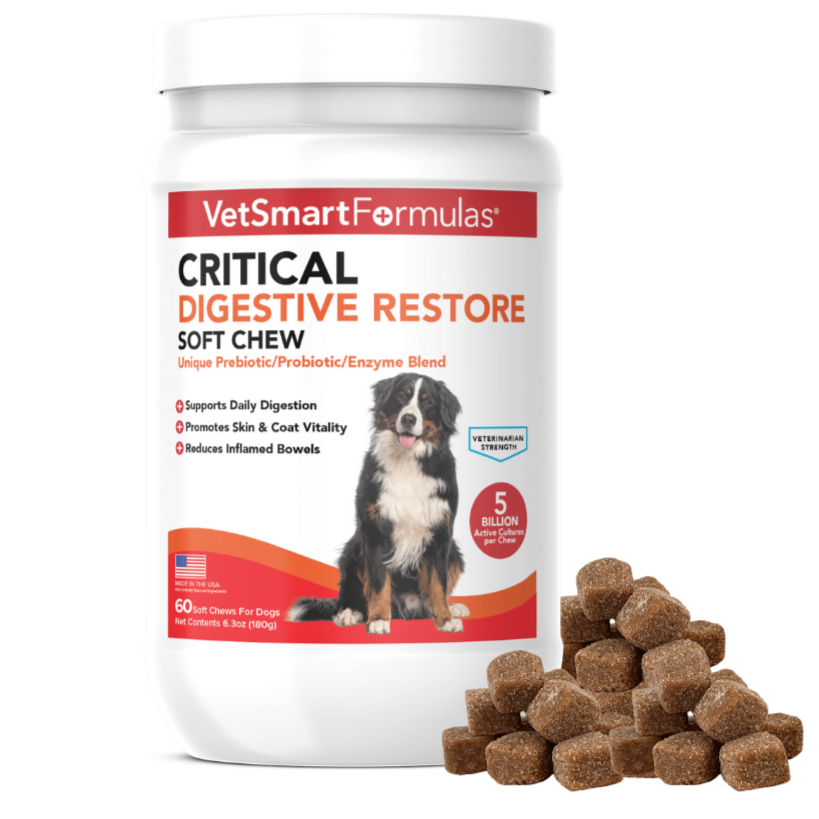
Recurring digestive issues such as diarrhea, vomiting, or changes in appetite may indicate an imbalance in gut bacteria. Supporting digestive health with proper nutrition and beneficial bacteria can help strengthen immune defenses and improve overall resilience.
What Factors Can Weaken Your Dog’s Immune System?
Several factors can place additional strain on your dog’s immune system over time. Age is one of the most common, as both puppies and senior dogs tend to have more vulnerable immune responses. Chronic stress, illness, or recovery from surgery can also increase immune demand.
Diet has a direct influence on a dog’s immune system. Poor-quality nutrition or deficiencies in key nutrients can limit the body’s ability to maintain strong immune defenses. Environmental factors, including allergens and toxins, may further contribute to ongoing immune stress, especially when combined with other challenges.

What Can You Do to Support Your Dog’s Immune Health?
Supporting your dog’s immune system starts with a balanced approach that includes nutrition, lifestyle, and targeted supplementation. Feeding nutrient-dense foods, maintaining regular exercise, and minimizing stress all contribute to stronger immune function.
Specific nutrients and supplements can provide additional support. Probiotics help maintain a healthy gut microbiome, omega-3 fatty acids reduce inflammation, and antioxidants protect cells from damage. Medicinal mushrooms and colostrum also regulate immune activity and support long-term resilience.
Can Supporting Your Dog’s Immune System Improve Long-Term Health?
Yes, strengthening your dog’s immune system can and will help reduce the frequency of illness, support faster recovery, and improve overall quality of life. By addressing early warning signs and supporting key systems such as digestion and inflammation control, you can help your dog stay healthier over time.
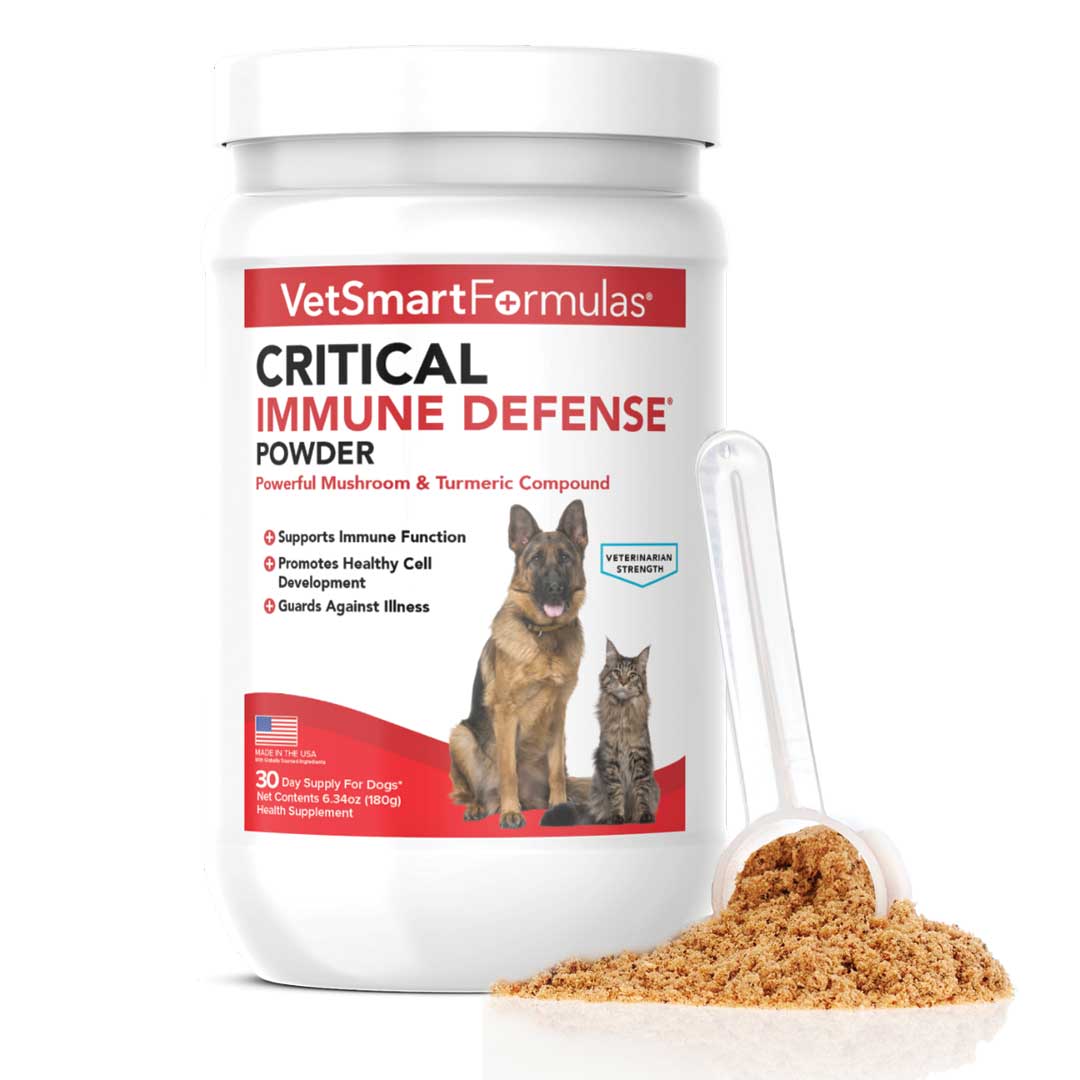
If you’re looking for a way to provide comprehensive immune support, VetSmart Formulas Critical Immune Defense delivers the optimal amount of active ingredients, offering more beneficial compounds per dose than many alternatives. This targeted formula supports immune balance, gut health, and long-term wellness, helping your dog stay resilient and better prepared to handle everyday challenges.