Many pet owners notice behavior changes when their dog experiences a major life transition. A move to a new home, a new baby, schedule changes, travel, or adding another pet can quickly disrupt a dog’s sense of stability. Dogs thrive on predictability, so sudden changes can leave them anxious, withdrawn, clingy, or reactive.
Stress affects far more than behavior alone. Chronic stress can disrupt digestion, weaken immune defenses, drain energy, and trigger inflammation throughout the body. Over time, these changes can affect your dog’s overall health and emotional well-being.
Fortunately, proactive routines and targeted support can help your dog adjust more successfully. By protecting their sense of stability and supporting gut and immune health during stressful periods, you can help your dog stay calmer, healthier, and more resilient through major changes.
Which Life Changes Affect Dogs the Most?
Major disruptions to routine often create the strongest stress responses. Moving homes changes familiar smells, sounds, and territory boundaries. Renovations can introduce loud noises and constant activity that overwhelm sensitive dogs.
Social and schedule changes can also create anxiety. A new baby, additional pets, returning to office work, altered job schedules, or children leaving for school can dramatically shift daily structure and companionship. Dogs often struggle when their predictable routines suddenly disappear.
How Does Stress Affect Your Dog’s Body?
Stress triggers major chemical changes throughout the body. Research shows that stressed dogs experience elevated cortisol levels and lower serotonin levels. These fluctuations increase fear, anxiety, and reactive behaviors.
They also affect physical health. Chronic stress can disrupt sleep, increase muscle tension, weaken immune function, and contribute to fatigue. Over time, prolonged stress can damage the gut microbiome and increase inflammation throughout the body.
Why Does Routine Matter So Much to Dogs?
Dogs rely heavily on predictable patterns to feel safe. Their brains build an internal “safety map” based on consistent schedules, familiar environments, and repeated daily habits.
When routines suddenly change, many dogs enter a state of hyper-vigilance. Research on separation anxiety shows that some dogs experience panic-like neurological responses within minutes of unexpected routine disruptions. Maintaining stable feeding times, walks, and sleep schedules can help restore a sense of security.
How Can You Help Your Dog Feel Safer During Transitions?
Creating a designated safe space can help reduce anxiety during stressful periods. Familiar beds, blankets, toys, and scents provide comfort and help your dog adjust more gradually to new surroundings.
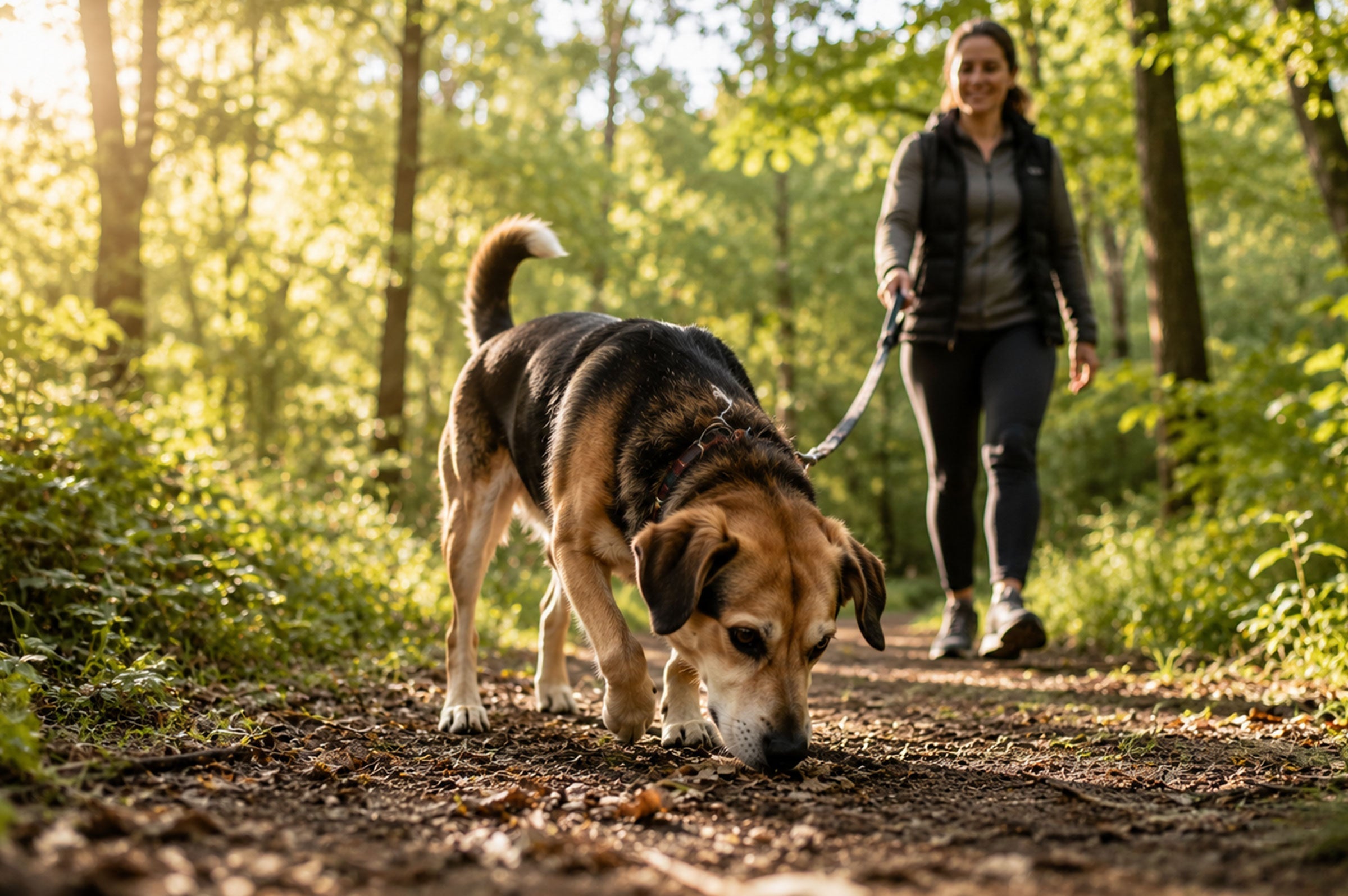
Mental enrichment also helps reduce stress. Puzzle toys, sniff walks, stuffed food toys, and scent games provide healthy outlets for nervous energy and support emotional balance. Giving dogs choices, such as selecting toys or resting areas, can also help restore their confidence and control.
Why Does Your Own Stress Affect Your Dog?
Dogs strongly mirror human emotions. Studies measuring long-term cortisol levels found that dogs synchronize closely with their owner’s stress levels over time.
If you feel overwhelmed during a major life transition, your dog often senses and absorbs that emotional energy. Remaining calm, maintaining neutral departures and arrivals, and avoiding punishment for stress-related behavior can help reduce your dog’s anxiety and create a more stable emotional environment.
How Does Stress Affect Gut Health and Immunity?
Stress directly affects the gut-brain axis, the communication system connecting the digestive tract and nervous system. Elevated cortisol can damage beneficial gut bacteria, weaken the intestinal barrier, and contribute to digestive issues such as diarrhea, soft stools, and changes in appetite.
The gut also produces most of the body’s serotonin, which supports emotional regulation and calm behavior. When stress damages the microbiome, serotonin production can decline, leaving dogs more anxious and reactive. Chronic stress can also suppress immune defenses and contribute to inflammation, skin issues, and recurring infections.

What Daily Habits Help Dogs Stay More Resilient?
Consistency remains one of the most powerful tools for stress management. Keeping schedules stable helps dogs adapt more successfully during periods of change. Also, starting supportive routines early can help reduce the biological effects of chronic stress before they escalate.
Targeted nutritional support can also strengthen resilience from the inside out. Daily probiotics help maintain microbiome balance and support serotonin production, while functional mushroom ingredients help support immune balance and cellular energy during stressful periods.
Can Daily Wellness Support Help Your Dog Adapt More Comfortably?
Major life changes do not have to derail your dog’s emotional and physical health. A stable routine, mental enrichment, and proactive wellness support can help your dog feel safer, calmer, and more balanced during stressful transitions.
VetSmart Formulas Critical Digestive Restore for Dogs provides more noticeable results than many alternatives. Its higher inclusion rate of active ingredients supports gut health, digestive balance, and immune resilience. This formula also helps strengthen the gut-brain connection, allowing for a calmer, healthier adaptation through life’s biggest changes.