Most pet owners focus on how long their dog will live. They celebrate birthdays, compare breed lifespans, and hope for as many years as possible together. It’s a heartwarming sentiment, but it falls short. Unfortunately, many dogs experience years of stiffness, chronic disease, confusion, or reduced mobility before the end of life.
Modern veterinary research now focuses on a new concept that prioritizes a dog’s well-being: “health span.” Understanding the difference between lifespan and healthspan can help pet owners make better decisions that support healthier aging from the beginning, not just after decline appears.
What Is the Difference Between Lifespan and Healthspan?
Lifespan refers to the total number of years a dog lives. For example, smaller breeds may live 15 years or more, while giant breeds often live closer to 7 to 10 years. However, healthspan measures the quality of life during those years. It focuses on how long a dog remains active, mobile, mentally engaged, and free from chronic illness or severe age-related decline.
Veterinary geroscience now aims to narrow the gap between lifespan and health span so dogs spend fewer years struggling with pain, frailty, or disability. This shift marks a major change in veterinary medicine. The focus now centers on proactive aging support designed to preserve function, mobility, cognition, and quality of life for as long as possible.
Major research groups, such as the Dog Aging Project, now study how to delay biological aging rather than simply treat disease after it appears. These scientists work to identify blood biomarkers, inflammatory pathways, and metabolic patterns that predict age-related decline before symptoms develop.
Why Does Quality of Life Matter as Much as Longevity?
A longer life does not always mean a better life. Medical advances can sometimes extend survival without improving comfort, mobility, or mental clarity. In essence, it lengthens the period of late-life frailty and chronic illness.
Dogs thrive when they can move freely, explore, play, and interact with their families. Preserving these abilities supports emotional well-being and reduces stress for both dogs and owners. Maintaining quality of life also helps reduce the emotional and financial burden that often accompanies advanced chronic disease.
When Does Aging Actually Begin in Dogs?
Cellular aging begins much earlier than most owners realize. Midlife changes begin around ages six to seven, before obvious physical symptoms appear. During this stage, metabolic changes, inflammation, and cellular decline can quietly accelerate beneath the surface.
More than 40% of owners wait until visible illness appears before adjusting nutrition, exercise, or wellness routines. By then, age-related decline may already affect joints, metabolism, cognition, and immune function. Starting supportive habits earlier helps protect health before major changes develop.
Which Factors Have the Biggest Impact on Healthspan?
Weight management strongly influences how dogs age. Maintaining a lean body condition reduces stress on joints and lowers the risk of metabolic disease and chronic inflammation. Regular exercise also supports mobility, cardiovascular health, and muscle preservation.
Mental stimulation also matters just as much. Training, puzzle toys, social interaction, and scent-based activities support cognitive health and emotional resilience. Preventive veterinary care and routine screenings can also identify underlying issues earlier, when treatment and lifestyle changes can have the greatest impact.
Why Do Inflammation and Cellular Aging Matter So Much?
Scientists now recognize chronic low-grade inflammation as one of the major drivers of aging. Over time, inflammation can damage organs, joints, blood vessels, and brain tissue.
Oxidative stress also contributes to cellular decline. When free radicals damage cells throughout the body, it accelerates aging and increases disease risk. Supporting antioxidant defenses and healthy inflammatory balance can help preserve tissue function and long-term vitality.

How Do Supplements Support a Longer Health Span?
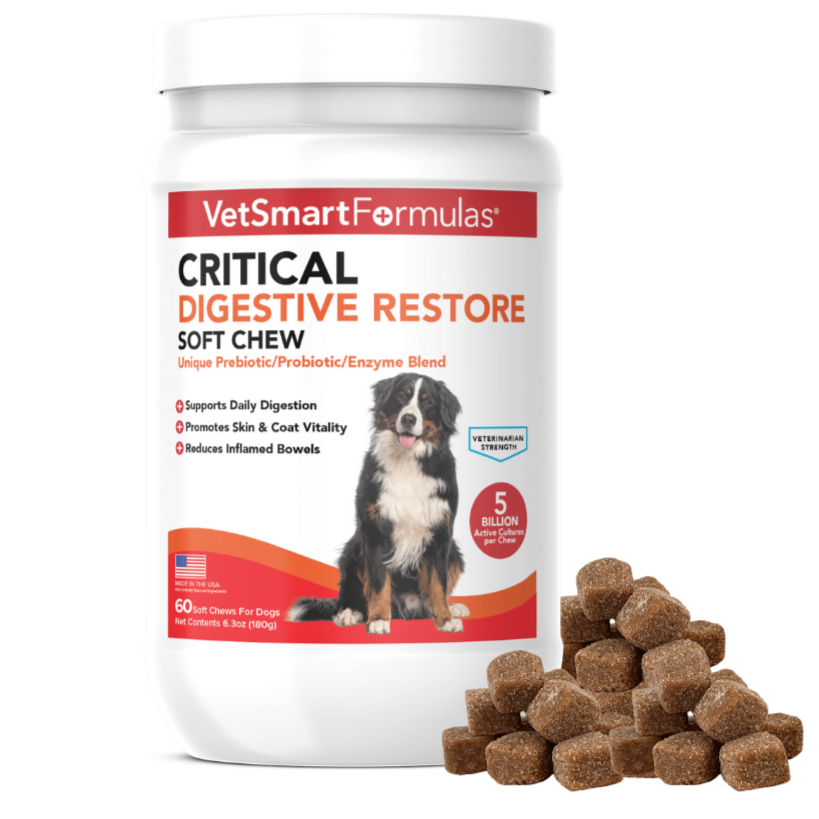
Premium supplements help support systems that weaken with age before permanent decline develops. Glucosamine, chondroitin, and MSM help maintain joint mobility and protect cartilage. Additionally, omega-3 fatty acids support inflammatory balance, heart health, and brain function.
Targeted nutrients can further help support healthier aging at multiple levels throughout the body. Probiotics and digestive enzymes support nutrient absorption and immune resilience, while antioxidants and advanced longevity ingredients help protect cells from oxidative stress.
Can You Help Improve Your Dog’s Healthspan Starting Today?
You can support your dog’s healthspan through proactive habits that protect mobility, cognition, digestion, immune health, and cellular function before noticeable decline begins. Small daily decisions often create the biggest long-term impact.
All Pet Wellness Direct VetSmart products support your dog’s healthspan, including our latest product in production, Critical Longevity Protect, which will support healthy aging at the cellular level. By promoting brain health, metabolic performance, inflammatory balance, and long-term vitality, this formula helps dogs stay healthier, more active, and more engaged throughout life.