When Should You Start Supporting Your Pet’s Joints and Immune System?
Supporting joint health and immune function with preventative supplements before your pet displays symptoms can help maintain mobility, reduce inflammation, and promote long-term wellness. However, many pet owners wait until their dog begins limping or their cat starts slowing down before thinking about joint or immune support.
While supplements can effectively manage existing problems, veterinarians increasingly recommend a proactive approach that begins earlier in a pet’s life. By understanding when aging changes begin and how early intervention works, pet owners can take steps that support comfort and vitality throughout their pet’s life.
When do dogs and cats begin to age?
Pets age at different rates depending on their species, breed, and size. Dogs typically begin entering their senior years between ages six and twelve, with larger breeds aging faster than smaller ones. Giant breeds may reach senior status around six or seven years old, while smaller breeds may not show age-related changes until ten or later.
Cats tend to age more gradually but are generally considered mature around seven years of age and senior between ten and twelve years. As pets grow older, subtle changes in mobility, metabolism, and immune function become more common, making early support increasingly important.
Do All Dogs Eventually Get Arthritis?
In the United States alone, an estimated 14 million adult dogs are affected by arthritis, making it one of the leading causes of chronic pain and reduced mobility in pets. Research shows that osteoarthritis affects about 20% of all adult dogs.
As pets age, the likelihood increases significantly. Other factors such as body weight, breed, and joint injuries also contribute to the risk. By seven years of age, more than half – 65% of dogs, show signs of arthritis. Large and giant breeds are especially vulnerable because their joints experience greater long-term stress.

What early signs suggest your pet may need joint support?
Joint wear and arthritis primarily affect the hips, knees, elbows, shoulders, and lower spine. Symptoms often begin slowly and can be difficult to recognize in the early stages. Many pets compensate for discomfort by adjusting their behavior, which can make the changes appear minor at first.
Signs to watch for include stiffness after resting, reluctance to climb stairs or jump onto furniture, and decreased enthusiasm for walks or playtime. Some pets may also show irritability, limp slightly, or groom their joints more frequently. Recognizing these subtle signals allows owners to support joint health before more serious damage develops.
Why does early cartilage support make such a difference?
Cartilage plays an essential role in cushioning joints and allowing smooth movement. Unfortunately, cartilage has a very limited ability to regenerate once it is severely damaged.
Starting joint support early helps maintain the cartilage’s integrity and slows the wear-and-tear process that naturally occurs as pets age. Nutrients such as glucosamine and chondroitin supply the building blocks needed to maintain healthy cartilage. They give pets’ joints the boost they need, enabling your dog or cat to remain active and comfortable for longer.
How does gut health influence the immune system?
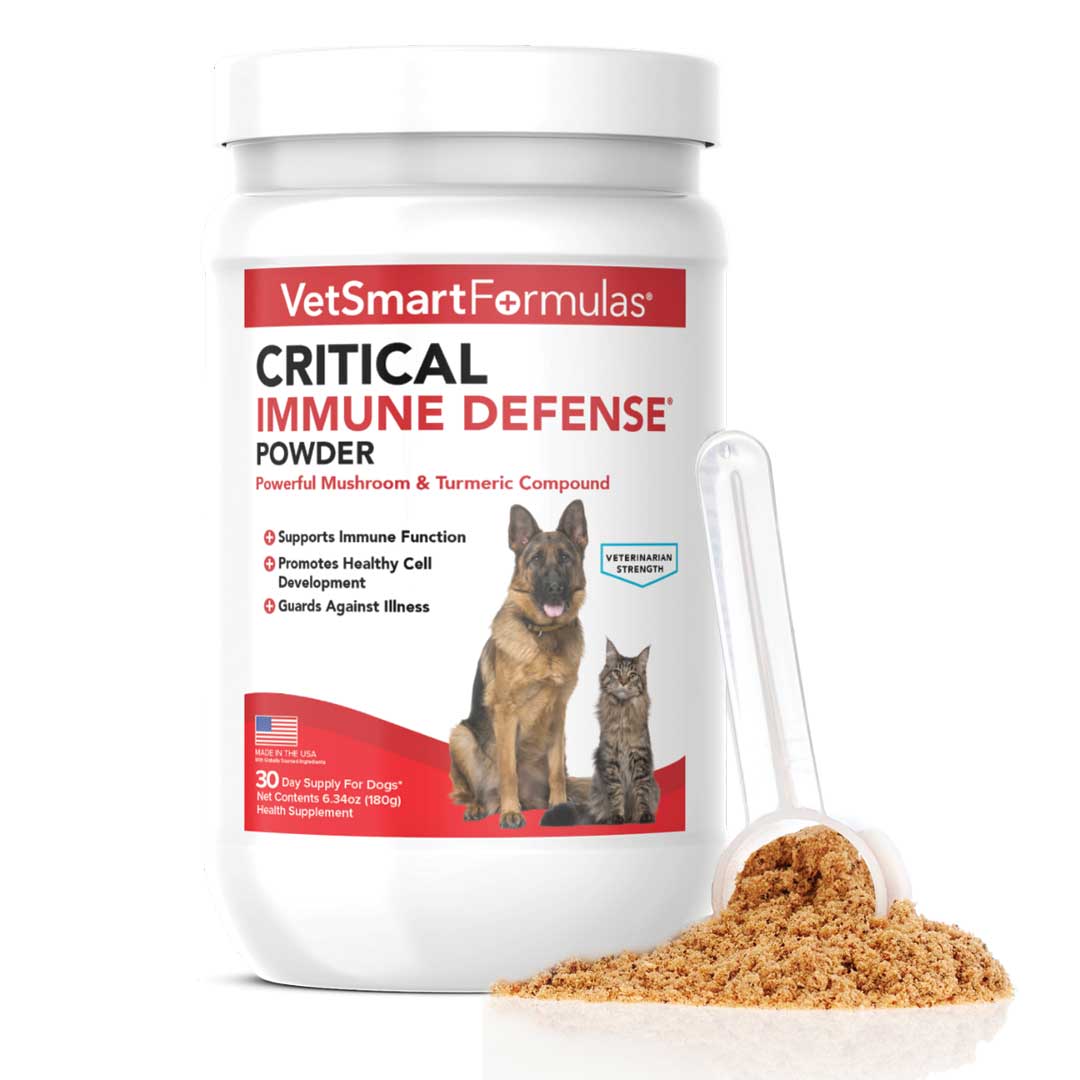
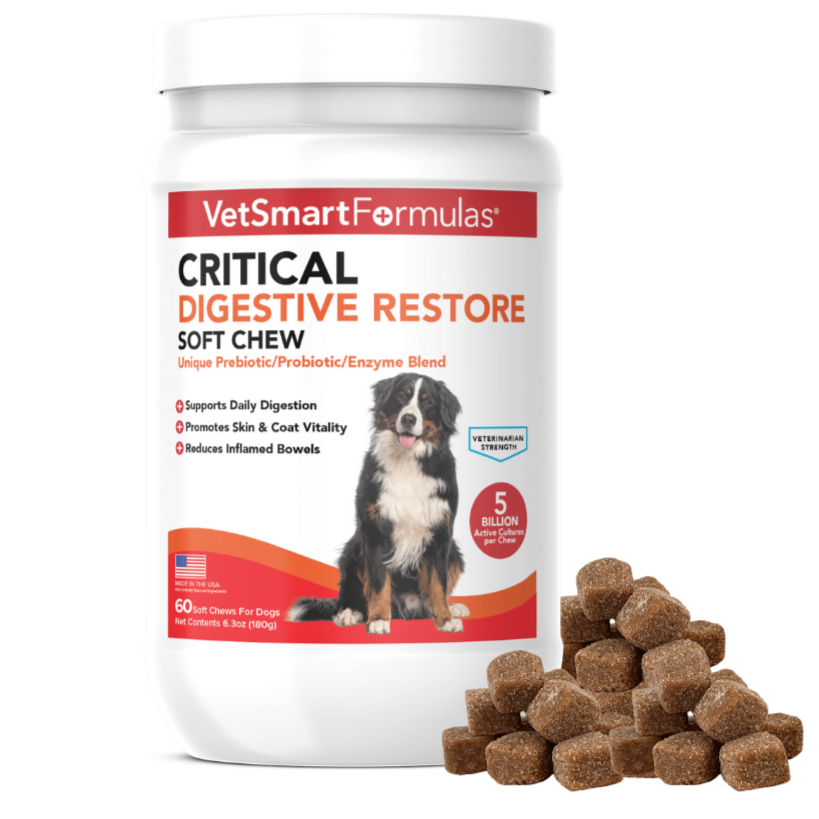
Many pet owners are surprised to learn that much of the immune system is closely connected to the digestive tract. In fact, a large portion of immune activity occurs in the gut, where beneficial bacteria help regulate immune responses and protect against harmful pathogens.
As pets age, changes in the gut microbiome can reduce microbial diversity and affect nutrient absorption. Supporting digestive health with balanced nutrition, probiotics, and high-quality supplements helps maintain immune resilience and reduce the chronic inflammation that often accompanies aging.

What does a simple preventative wellness plan look like for pets?
A preventative wellness strategy focuses on maintaining health rather than waiting for symptoms to appear. This approach often includes keeping veterinary checkups, supplying balanced nutrition, providing regular exercise, and maintaining a healthy body weight.
Many veterinarians also recommend supplements that support mobility, digestion, and immune health as pets enter adulthood. Nutrients such as omega-3 fatty acids, glucosamine, antioxidants, and probiotics can help protect joints, strengthen immune defenses, and support overall vitality as pets age.
Should you start supporting your pet’s joints and immune system before problems appear?
Starting joint and immune support early is one of the most effective ways to help pets stay active and healthy throughout their lives. Waiting until severe stiffness or illness appears often means the underlying damage has already progressed.
Adding targeted supplements can help support long-term wellness and comfort. Critical Joint Relief for Dogs from Pet Wellness Direct is an excellent choice. It provides key ingredients, including glucosamine, green-lipped mussel, and MSM, to help maintain healthy joints and reduce inflammation. Incorporating this veterinarian-designed supplement into your pet’s routine can support mobility, comfort, and overall vitality as they grow older.